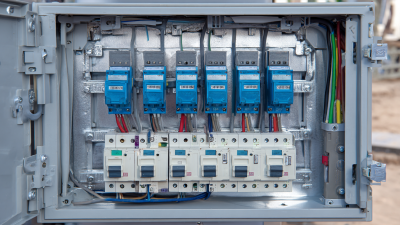
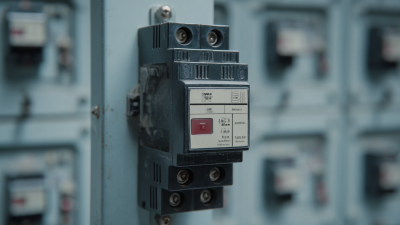
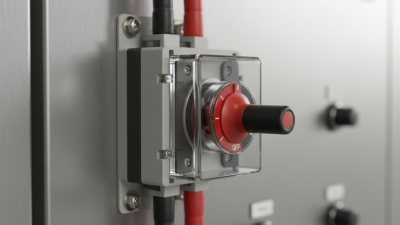
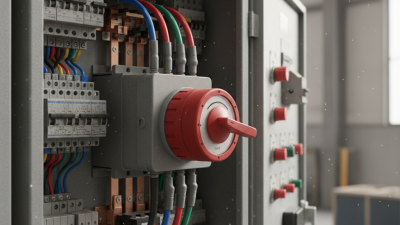
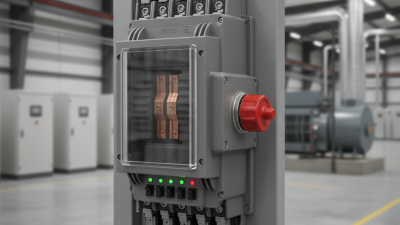
When it comes to electrical safety, the Outdoor Isolator Switchis actually pretty important. Basically, it’s the device that lets you cut off power safely when you're doing maintenance or repairs. John Smith from ElectroSafe Technologies once mentioned that “using an Outdoor Isolator Switch properly can really save lives,” and honestly, that just shows how crucial it is for avoiding accidents.
Think of this switch as a safety barrier between the electrical source and the rest of the system. Since it's meant for outdoor use, it's built to handle weather and all that comes with it. But, not everyone keeps up with regular checks—ignoring these maintenance points can cause problems down the line. Over time, performance can degrade if you’re not careful.
Getting the installation right isn’t always straightforward either. Picking the right spot for it is super important to get maximum safety and efficiency. Unfortunately, a lot of people tend to underestimate how vital this step really is. Regular training and just being aware of these details can make a big difference. At the end of the day, understanding why an Outdoor Isolator Switch matters is key for keeping electrical setups safer for everyone.
What is an Outdoor Isolator Switch?
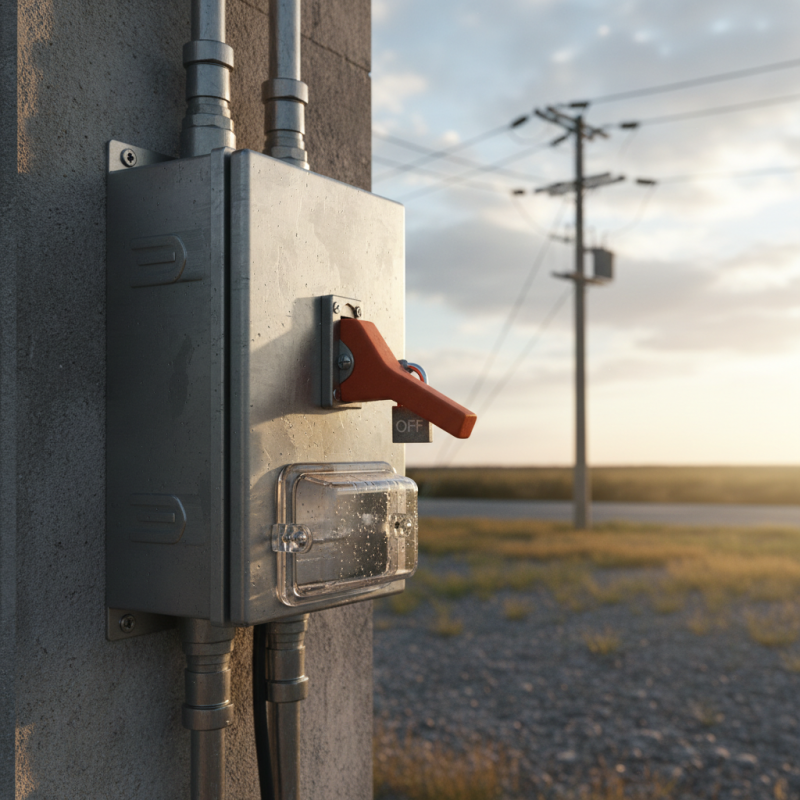
An outdoor isolator switch is a crucial component in electrical systems. It separates circuits to ensure safety and maintenance. These switches are typically installed outside buildings, protecting them from environmental factors. They are built to withstand various weather conditions like rain, snow, and high temperatures.
The functionality of outdoor isolator switches is straightforward. When switched off, they break the circuit, stopping electrical flow. This action allows electricians to work safely on connected equipment. Visual indicators, such as a red or green handle, help users quickly identify the switch's status. However, some might overlook these indicators. It's essential to ensure the switch is clearly marked to avoid confusion.
It's not always easy to choose the right isolator switch. One must consider factors like voltage ratings and installation location. Many users may select a switch without fully understanding its specifications. This can lead to increased risks and failures. Proper selection and installation are vital for safety and efficiency in electrical systems.
Key Components of an Outdoor Isolator Switch
An outdoor isolator switch is a critical component in electrical systems. It provides a means to disconnect power safely. Understanding its key components can help users appreciate its functionality and importance.
The main elements of an outdoor isolator switch include the switch mechanism, housing, and terminal connections. The switch mechanism allows users to open or close the circuit. This action is essential for maintenance. The housing protects the internal components from weather conditions. It is often made from durable materials, ensuring longevity. Terminal connections allow secure wiring to the circuit. Proper installation here is crucial for safety.
When looking at options like a 12v Isolator Switch, the design plays a significant role. Some switches are more robust than others, which can lead to performance differences. Users should consider their specific needs. A switch that is too weak may fail during critical moments. Regular inspection and testing of these components can help identify weaknesses. Everyone should be cautious and proactive in ensuring their systems are working effectively.
How Outdoor Isolator Switches Operate in Electrical Systems
Outdoor isolator switches are crucial in electrical systems. They act as a safety device, isolating circuits and protecting equipment. By doing so, they ensure maintenance workers can perform their tasks without risk. These switches generally operate at high voltage levels, such as the 24kv Isolator Switch. This voltage level is common in distribution networks, allowing safe disconnection of circuits.
In practice, outdoor isolator switches rely on mechanical mechanisms. When the switch is disengaged, it breaks the circuit, preventing current flow. This action reduces the risk of electric shock during maintenance. Additionally, their outdoor design means they must withstand harsh weather conditions. Therefore, these switches often utilize materials that resist corrosion and damage.
Despite their crucial role, outdoor isolator switches can present challenges. For instance, environmental factors might affect their performance. Dust or moisture can lead to faulty operations. Regular inspections and maintenance are necessary to ensure reliability. Industry reports indicate that up to 20% of electrical failures stem from improper switch operations. Thus, emphasizing correct installation and regular checks is vital for safety in electrical systems.
Applications of Outdoor Isolator Switches in Industry
Outdoor isolator switches are crucial in various industrial applications. They provide safe disconnection of electrical circuits, especially in outdoor environments. Industries like construction, energy, and telecommunications heavily rely on these switches. According to recent reports, the global market for electrical isolators is expected to grow by over 5% annually from 2023 to 2030.
In construction sites, outdoor isolator switches ensure workers' safety during maintenance. They allow for quick disconnection of power, enabling safe inspections. Electrical engineers often highlight their importance in preventing electrical hazards. Their robust design withstands extreme weather, which is vital for outdoor settings. However, maintenance can be neglected. Regular checks are essential to avoid unexpected failures.
Tip: Always inspect outdoor isolator switches regularly. Look for signs of corrosion or wear. This simple step can prevent costly downtime. In energy sectors, isolators help manage load distribution effectively. They play a role in renewable energy systems, such as solar farms. Yet, reliance on technology can create complacency. Training on manual operation is often overlooked but necessary for emergencies.
Safety Standards and Regulations for Outdoor Isolator Switches
Safety standards for outdoor isolator switches are crucial. They ensure the protection of both equipment and personnel. According to a report by the International Electrotechnical Commission (IEC), proper insulation and environmental protection are key factors. The minimum IP rating for outdoor isolator switches should be at least IP65. This rating indicates resistance to dust and water, which is vital in outdoor settings.
In regions with varying climactic conditions, compliance with safety regulations can be challenging. Many industries prefer using the 3 Phase Isolator Switch for its reliability. The National Fire Protection Association (NFPA) suggests that all electrical equipment must undergo routine inspections to minimize the risk of failure during extreme weather events. Inadequate attention to these regulations can lead to serious safety hazards.
Public awareness of these safety standards is often lacking. Installation errors can arise from misunderstanding these critical guidelines. For example, neglecting the necessary grounding requirements can result in electrical shocks. Improved training and resources can help mitigate these issues. Ensuring adherence to safety standards is not just about compliance; it's about protecting lives.
Challenges in Installing and Maintaining Outdoor Isolator Switches
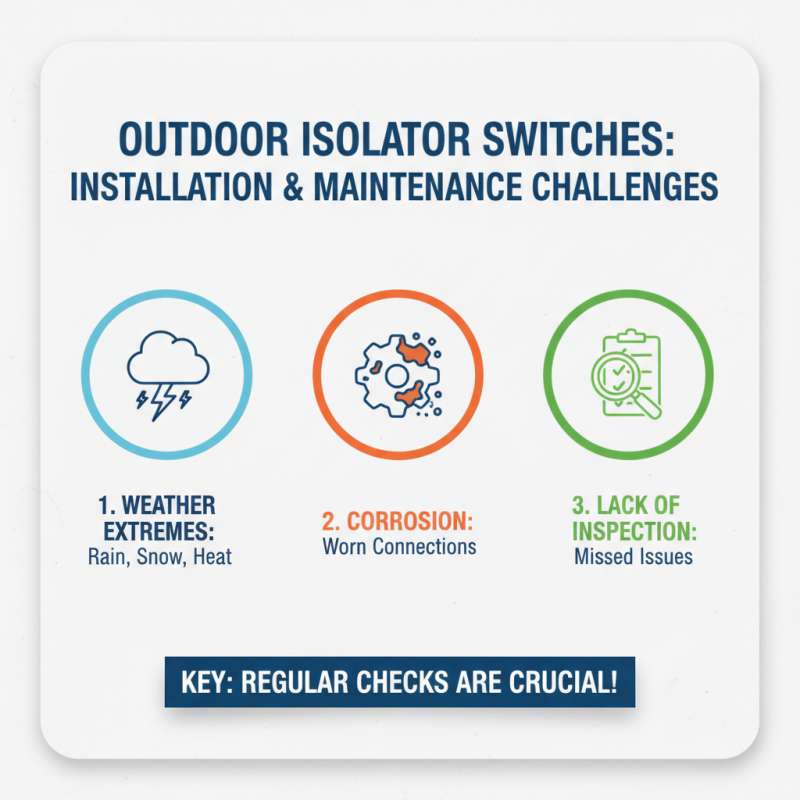
Installing and maintaining outdoor isolator switches comes with its own set of challenges. Weather conditions play a significant role. Rain, snow, and extreme heat can affect performance. Corrosion is another issue; it can wear down connections over time. Regular inspection is essential to catch these problems early. Yet, many overlook this routine check.
Another challenge involves accessibility. These switches are often placed in difficult-to-reach locations. Climbing or using ladders adds risk to the installation process. Safety should never be compromised. Additionally, training is crucial. Technicians must understand how to work safely with electrical components outdoors. Mistakes can lead to serious accidents.
Lastly, environmental factors must be considered. Wildlife may interfere with installations. Animals can damage cables or connections. It’s vital to implement barriers to prevent this. Unfortunately, some installations do not account for this risk. This oversight can lead to unexpected failures. Proper planning and regular evaluations are necessary for long-term functionality.
Future Trends in Outdoor Isolator Switch Technology
The future of outdoor isolator switch technology holds exciting potential. As demand for renewable energy grows, so does the need for efficient electrical systems. Outdoor isolator switches are crucial in managing electricity flow. They ensure safety when maintenance is needed. Improved designs will enhance their functionality. Innovations focus on materials that withstand harsh weather.
Research is also exploring smart technology integration. Imagine an Electrical Isolator Switch that communicates with other devices. This could offer real-time monitoring. Yet, challenges remain. The balance between cost and advanced features is vital. Manufacturers must ensure durability without raising prices too high. Reliability is essential for outdoor environments.
Another trend involves user-friendly designs. Simplicity can increase safety during operation. In future installations, these switches may even have automated features. Such advancements could streamline energy management. However, user training will still be necessary. These developments in outdoor isolator switch technology suggest a promising evolution. The future looks bright, yet it requires careful implementation.
Revolutionizing Power Management: The Role of FZW28-12F Outdoor High Voltage Vacuum Load Switch in Modern Electrical Systems
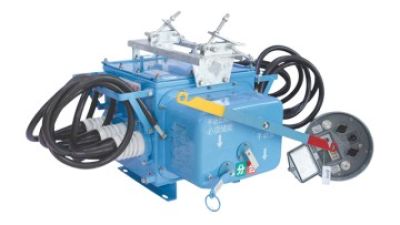
The FZW28-12F outdoor high voltage vacuum load switch is at the forefront of modern power management, enhancing the efficiency and reliability of electrical systems worldwide. Rated for a voltage of 12kV and a frequency of 50Hz, this innovative switch is designed for use in outdoor three-phase AC power distribution. Its primary function involves the reliable opening and closing of load currents, as well as handling short-circuit currents, making it an essential component in contemporary electrical grids.
With its application extending to substations, industrial sectors, and urban/rural power grids, the FZW28-12F is an ideal solution for protection and control within electric distribution networks. It operates effectively in areas that require frequent switching operations, such as overhead line systems. This product's oil-free design, coupled with its simple structure and maintenance-free performance, positions it as a preferred choice in the fight against traditional oil-filled equipment, which can pose environmental concerns.
Further enhancing its operational capabilities, the FZW28-12F can be paired with advanced devices like fault detectors and remote control terminals. This collaboration paves the way for sophisticated distribution automation systems, providing automatic fault location and isolation capabilities. Reports indicate a growing trend towards automation in power distribution networks, with a significant shift expected as utilities transition to more eco-friendly technologies. The FZW28-12F exemplifies this trend, making it a vital asset in the ongoing modernization of electrical infrastructure.
FAQS
: It safely disconnects power in electrical systems, allowing maintenance without risk.
Key components include the switch mechanism, housing, and terminal connections.
It protects internal parts from harsh weather conditions and ensures durability.
They help identify wear or corrosion early, preventing unexpected equipment failures.
Weather conditions, accessibility issues, and safety risks can complicate the installation process.
Rain, snow, and extreme heat can cause corrosion and affect functionality over time.
Proper training prevents accidents and ensures safe handling of electrical components outdoors.
They assist in managing load distribution, especially in solar farm applications.
Failing to account for wildlife interference can damage cables or connections.
Poor installation can lead to unexpected failures and increased maintenance needs.
Conclusion
An Outdoor Isolator Switch is a crucial safety device used in electrical systems to enable the disconnection of power supply for maintenance and emergency purposes. This switch typically consists of durable materials designed to withstand outdoor conditions and features components such as electrical contacts, a housing for protection, and actuating mechanisms. The operation of Outdoor Isolator Switches allows for safe isolation of electrical circuits, making them vital in various industrial applications, from power generation to construction sites.
The installation and maintenance of Outdoor Isolator Switches can present challenges, including environmental factors and compliance with safety standards and regulations. As technology advances, there are emerging trends focusing on enhanced durability, ease of use, and integration with smart grid systems, ensuring the continued importance of Outdoor Isolator Switches in future electrical infrastructure.