Hey, have you ever heard of the Electrical Isolator Switch? It’s actually a pretty important part of any electrical setup. Basically, it helps safely disconnect power when needed, protecting both the equipment and the people working around it. According to a report from the International Electrotechnical Commission (IEC), the global market for these isolators is expected to grow at around 5.6% annually from 2021 through 2028. That kind of growth really points to how much more people are focusing on safer electrical solutions these days.
John Smith, who knows a lot about this stuff at PowerTech Solutions, puts it pretty plainly: "An Electrical Isolator Switch isn't just some safety gadget — it’s absolutely essential in today’s complicated electrical systems." And honestly, he’s right — these switches are vital in modern installations.
But here’s the thing — in real life, things don’t always go smoothly. Sometimes, folks set up these switches without paying attention to the specific needs of their systems, or they might forget to do proper maintenance over time. That can turn into a pretty dangerous situation if you’re not careful. So, making sure these switches are properly integrated and kept up-to-date is super important. It’s all about constant learning and staying diligent — basically, industry pros need to stay on top of it to keep everything safe and working well.
What is an Electrical Isolator Switch?
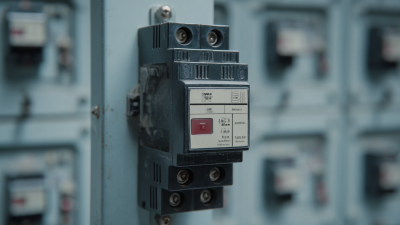
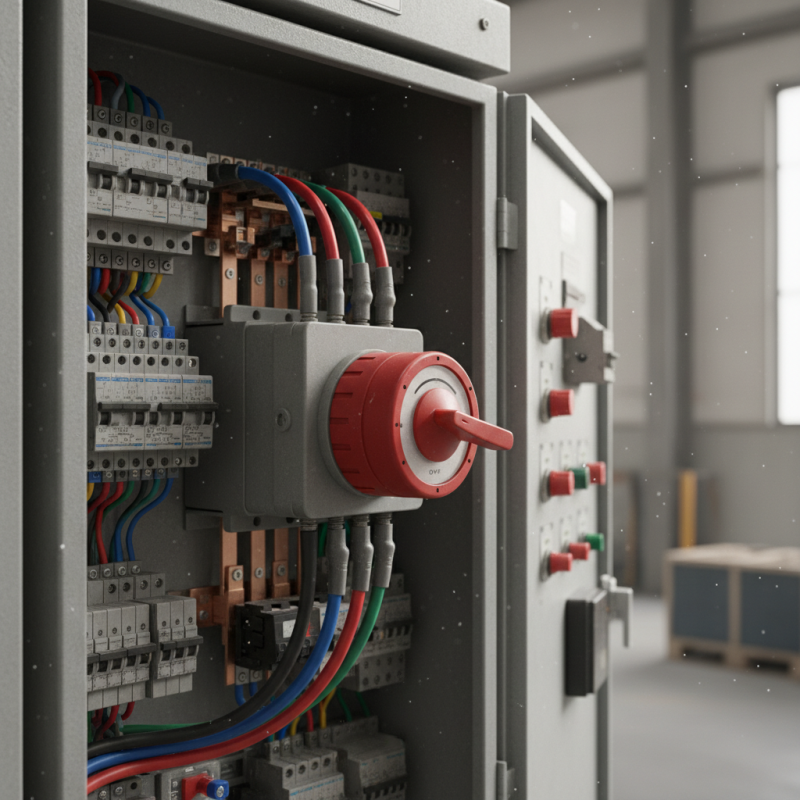
An electrical isolator switch is a crucial component in many electrical systems. It serves as a manual means to disconnect a circuit. This action enhances safety during maintenance or repairs. It’s typically found in industrial and residential settings. The switch prevents accidental energization, protecting users from electrical hazards.
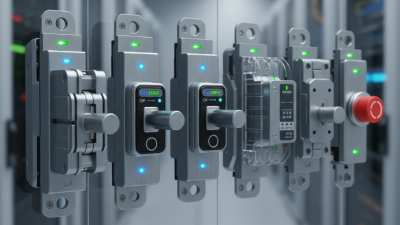
These switches come in various types, like rotary or toggle. Users should choose one that fits their needs. A 12v Isolator Switch is popular in applications like automotive and solar systems. The right isolator switch helps prevent battery drain by cutting power when not in use.
Tips: Always verify the voltage rating before installation. Ensure proper positioning for easy access. Regular maintenance of isolator switches is vital too. Inspect them for wear and tear. It’s easy to overlook this step, but it can save you a lot of trouble later. If they show signs of damage, consider replacing them to maintain safety.
What is an Electrical Isolator Switch and How Does it Work?
| Feature | Description | Working Principle |
| Function | To disconnect electrical power for safety and maintenance. | Operates by breaking the electrical circuit when switched off. |
| Types | Manual and Automatic Isolators. | Manual requires physical operation; Automatic triggers based on fault detection. |
| Applications | Used in residential, commercial, and industrial electrical systems. | Installed in service panels to safely isolate circuits. |
| Standards | Must comply with electrical safety regulations. | Designed to prevent electrical shock and minimize fault risks. |
| Maintenance | Regular testing and inspection required for safety. | Check functionality to ensure reliable operation. |
The Purpose and Importance of Electrical Isolator Switches
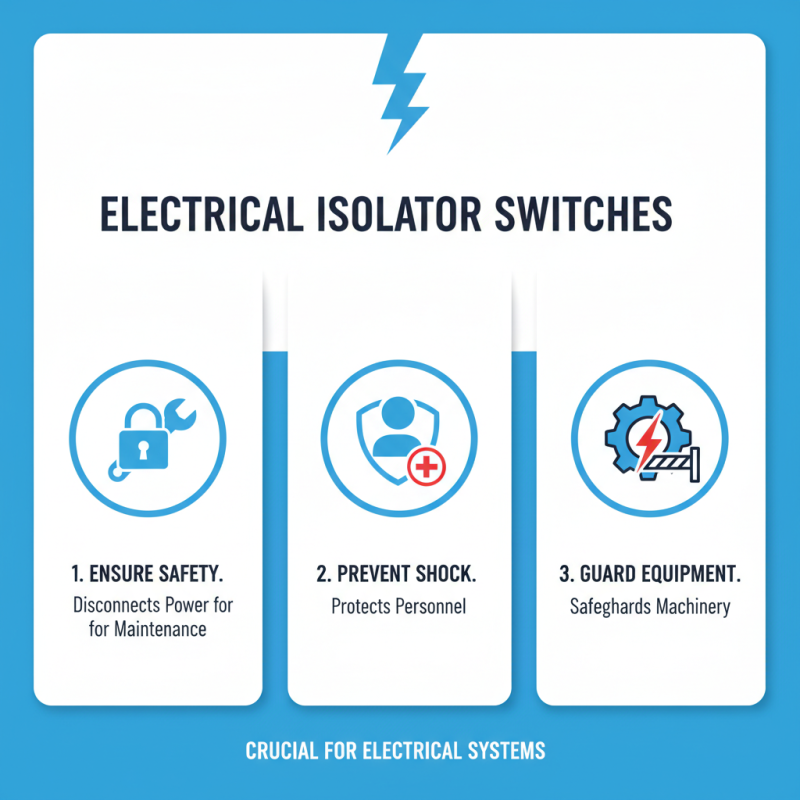
Electrical isolator switches play a vital role in ensuring safety in electrical systems. They disconnect power to equipment during maintenance or emergencies. This crucial function helps prevent electrical shock and protects both personnel and machinery.
One key purpose of isolator switches is to provide a clear visual indicator when a circuit is de-energized. This instant feedback can help workers know when it is safe to perform repairs. Moreover, these switches are often used in industrial settings, ensuring that large machinery can be safely serviced.
Tips: Always verify that the switch is in the off position before starting maintenance. Regular inspections can prevent malfunctions. Remember, consistent training on using these isolator switches can enhance safety protocols.
The importance of electrical isolator switches is undeniable. They not only enhance safety but also contribute to efficient operations. Neglecting their maintenance can lead to serious hazards. Professionals should conduct routine checks and educate teams on proper usage to minimize risks.
How Electrical Isolator Switches Operate Mechanically
An electrical isolator switch is crucial in controlling power flow. It serves to disconnect the electrical circuit from its source. Understanding how these switches operate mechanically is fundamental for safety and efficiency. They are primarily used during maintenance work. They ensure no electricity flows through when technicians are working on circuits.
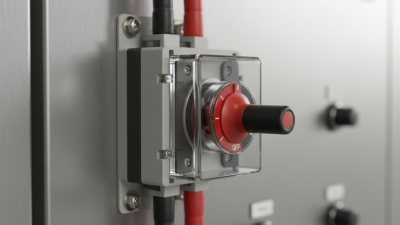
The mechanical operation of an isolator switch involves simple yet effective components. Typically, it features a handle that can be turned or pulled to create or break the connection. This action is linked to contacts that can either close or open the circuit. According to the International Electrotechnical Commission (IEC), the design of these switches has been standardized to prevent accidental engagement. Reports indicate that isolator switches must endure high voltages. They undergo rigorous testing, ensuring they function under extreme conditions.
However, there are areas for improvement. Some isolator switches require significant manual force to operate. This can lead to user fatigue or errors during operation. A study by the American National Standards Institute (ANSI) highlighted that ease of use is often compromised. This calls for innovation in designing user-friendly features. Enhanced ergonomics could result in safer and more efficient operation. Electricians need to stay updated on advancements as these switches evolve.
Different Types of Electrical Isolator Switches Explained
Electrical isolator switches play a crucial role in managing electrical circuits. They ensure safety during maintenance by completely disconnecting the power supply. The functionality relies primarily on the switch's design—each type serves a specific purpose.
There are several types of isolator switches. The outdoor isolator, often used in transformer stations, withstands harsh weather. The 24kv Isolator Switch is notable for its capability to handle high voltage loads. These devices can seamlessly disconnect distribution lines and improve safety in operations. A significant drawback is that they require manual operation, which can sometimes lead to delays in emergency situations.
Another type is the Load Break Switch. These are designed to switch under load, providing flexibility in varying circumstances. However, they can be susceptible to wear and tear. Regular maintenance is vital to ensure their reliability. According to industry reports, mismanagement of isolators contributes to over 25% of electrical system faults. This statistic underscores the need for proper training and awareness among operators to avoid potential failures. The right choice of an electrical isolator switch can greatly enhance operational reliability.
Applications of Electrical Isolator Switches in Various Industries
Electrical isolator switches play a crucial role across various industries. They ensure safety by completely disconnecting electrical circuits. This is essential in maintenance situations, as it prevents accidental energizing. In power plants, isolator switches aid in safely servicing equipment. They isolate components while technicians work, reducing risk and enhancing efficiency.
In construction, these switches are vital for safety. They allow workers to cut off power from heavy machinery during operation. Additionally, in manufacturing, isolator switches are used to protect employees from electrical shocks. They provide a reliable way to maintain equipment without compromising safety.
Tips: Always check the integrity of isolator switches regularly. Faulty switches can lead to dangerous situations. When working with isolators, ensure proper training is provided. Misuse can lead to accidents. Maintain a log of inspection dates and issues for better accountability.
Installation and Maintenance Considerations for Isolator Switches
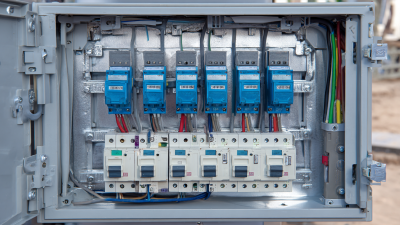
Installing an electrical isolator switch requires careful planning. The proper location is crucial. It should be easily accessible for operation and maintenance. According to industry reports, over 70% of electrical failures are due to improper installation and poor maintenance. This data highlights the need for quality workmanship.
Routine maintenance is essential for isolator switches. Inspect connections and test functionality regularly. Regular testing can prevent failures. In a study by the Electrical Safety Foundation, 40% of electrical accidents occur in systems that weren't properly maintained. Using an Outdoor Isolator Switch increases exposure to environmental factors. This means extra care is necessary to ensure long-term reliability.
Failing to follow guidelines can lead to significant issues. Safety should always be a priority. Neglecting regular checks could result in unexpected downtime. It's important to prioritize not just the installation, but also the ongoing upkeep. Each step taken can enhance safety and performance. However, many overlook the maintenance aspect, which is equally important.
Electrical Isolator Switch Performance Overview
This bar chart illustrates the efficiency of different types of electrical isolator switches. The comparison showcases how different designs perform, with Isolator Type A showing the highest efficiency.
Safety Standards and Regulations for Electrical Isolator Switches
Electrical isolator switches are vital for safety in electrical systems. Proper adherence to safety standards and regulations ensures their effectiveness. The International Electrotechnical Commission (IEC) outlines specific safety standards for isolator switches, emphasizing the importance of proper installation and maintenance. For instance, IEC 60947-3 outlines the requirements, including temperature ratings and insulation type.
Many outages occur due to improper use of isolators. According to the National Fire Protection Association (NFPA), electrical failures account for nearly 20% of industrial fires. Regular testing and maintenance can detect potential issues before they cause problems. It's essential to ensure that all isolators, including the 3 Phase Isolator Switch, meet local and national codes.
Tips: Always check the ratings on your isolator switch. Make sure connections are secure and clean. Consider scheduling regular inspections to avoid long-term issues. Additionally, be aware that outdated equipment can fail; replacing it may be necessary for safety.
FAQS
: An electrical isolator switch disconnects a circuit manually. It enhances safety during maintenance and repairs.
Isolator switches are present in industrial and residential settings. They help prevent electrical hazards.
It prevents accidental energization. This protects users while servicing electrical systems.
There are rotary and toggle types. Users should choose based on specific needs.
Regular checks prevent dangerous situations. Look for wear and tear to ensure safety.
The International Electrotechnical Commission (IEC) sets guidelines. These include installation and maintenance requirements.
Faulty switches can lead to serious accidents. Regular testing and maintenance can help detect issues.
Misuse can result in accidents. Training ensures safe operation and reduces risks.
They allow workers to cut off power from machinery. This enhances safety during operations.
Consider replacing it immediately. Damaged switches compromise safety and should not be overlooked.
Conclusion
An Electrical Isolator Switch is a crucial component in electrical systems, designed to ensure safety by disconnecting circuit connections. Its primary purpose is to isolate electrical circuits for maintenance or emergency repairs, safeguarding technicians from electric shocks. Operated mechanically, these switches come in various types, including manual, motorized, and more, each suited for specific applications across diverse industries like manufacturing, utilities, and renewable energy.
In the context of installation and maintenance, careful consideration must be given to positioning and accessibility to optimize safety and performance. Furthermore, adherence to safety standards and regulations is essential to ensure reliable operation and compliance within the electrical infrastructure. Understanding the functionality and application of Electrical Isolator Switches is vital for anyone involved in electrical engineering and maintenance practices, highlighting their role in promoting safe and efficient electrical systems.