Leave Your Message
0%

In today’s constantly changing world of electrical systems, picking the right Circuit Isolating Switch isn’t just a technical detail—it’s key to keeping things safe, reliable, and running smoothly. A recent report from the International Electrotechnical Commission (IEC) pointed out that over 30% of electrical failures happen because of poor isolation strategies. That just shows how important it is to choose the right switch for each specific job. John Smith, a well-known expert at PowerTech Industries, mentions, ‘A good Circuit Isolating Switch doesn’t just boost efficiency; it also seriously cuts down the chances of electrical hazards.’
How to Choose the Right Circuit Isolating Switch for Your Electrical System

As the demand for smarter, more advanced electrical solutions keeps climbing, the market for these switches is expected to grow like crazy. Experts from Markets and Markets Research estimate a CAGR of about 5.6% over the next five years. This booming growth is driven by more infrastructure projects and the growing need for safety across different sectors—from manufacturing plants to renewable energy setups. If you want to make smart decisions in this field, understanding what makes a Circuit Isolating Switch high-quality and how to pick the right one is super important—so you’re on the right track with industry standards and best practices.

Understanding the Importance of Circuit Isolating Switches in Electrical Systems

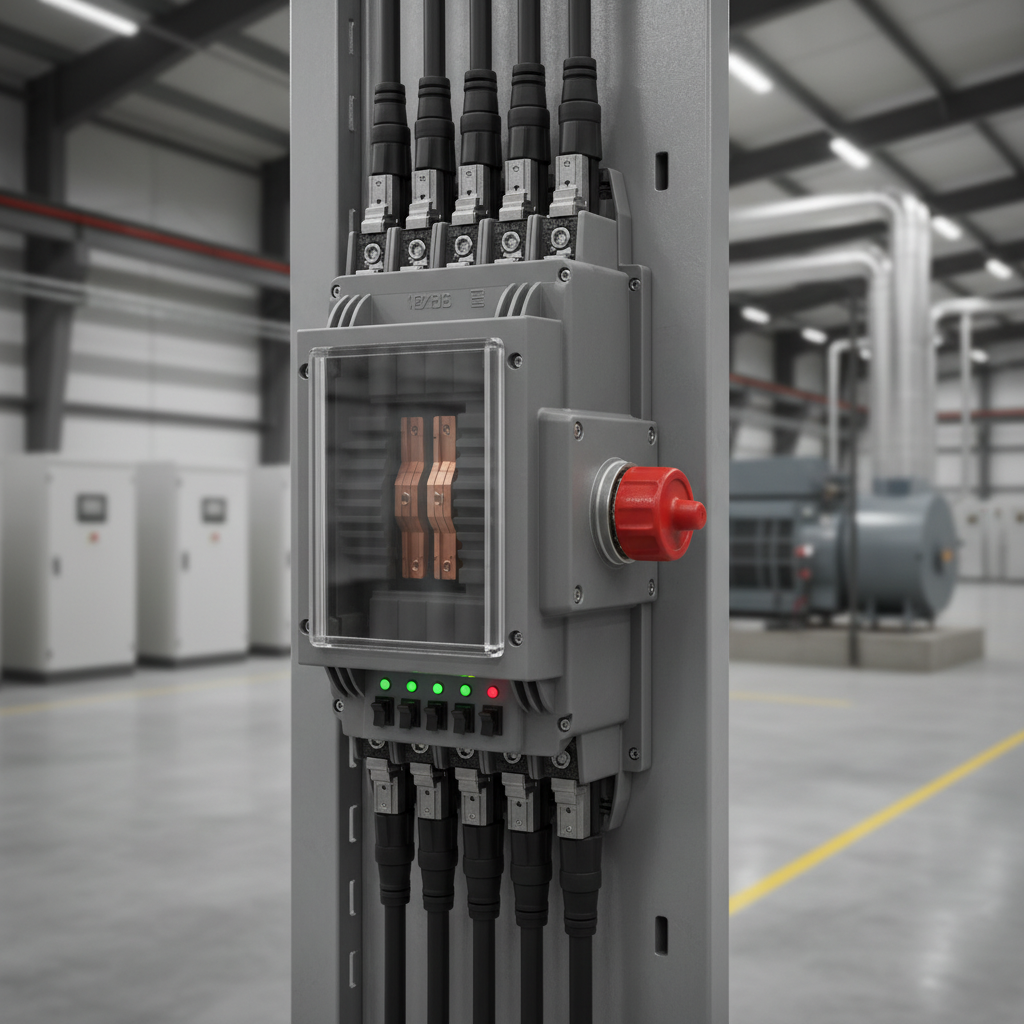
Circuit isolating switches are essential components in electrical systems, providing a critical role in ensuring safety and reliability. As the demand for electric vehicles (EVs) continues to surge, the importance of these switches becomes even more pronounced. They allow for safe disconnection of electrical circuits, preventing accidental energization during maintenance or during faults. This is particularly vital in automotive applications, where high voltages and power transients are common.

The rise of EVs not only accelerates market growth for circuit isolating switches but also emphasizes the need for advanced technologies that can handle the increasing complexity of electrical systems. With more sophisticated power management and energy distribution requirements, selecting the right isolating switch becomes paramount. Engineers must consider factors such as switching capacity, insulation strength, and compliance with safety standards to ensure optimal performance. As EV technology evolves, so too must the components that support it, driving innovation in the design and application of circuit isolating switches within the industry.

Key Factors to Consider When Choosing a Circuit Isolating Switch

How to Choose the Right Circuit Isolating Switch for Your Electrical System

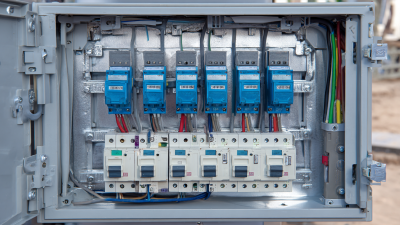
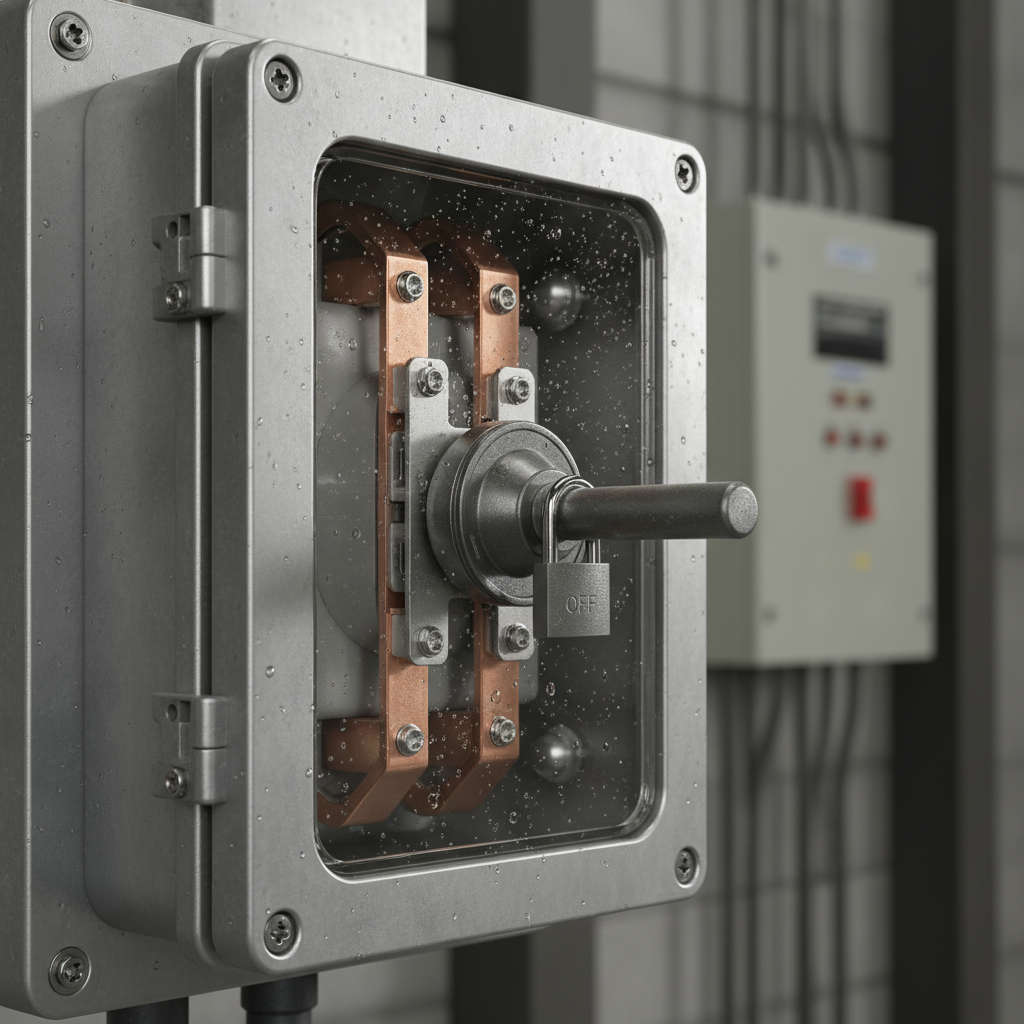
When selecting a circuit isolating switch for your electrical system, several key factors must be considered to ensure optimal performance and safety. First and foremost, the interrupting capacity of the switch is crucial. It should be able to handle the maximum expected fault current without failure. Additionally, the environmental conditions in which the switch will operate, such as exposure to moisture, dust, or extreme temperatures, can greatly influence the choice of material and design.

Another important consideration is the type of application the switch will serve. Different setups, such as renewable energy systems or electric vehicle charging stations, may require specific features like manual or automatic operation. Furthermore, regulatory compliance and local codes should guide the selection process. Understanding these factors not only aids in choosing the right circuit isolating switch but also contributes to the overall efficiency and reliability of the electrical system.

Types of Circuit Isolating Switches and Their Applications

How to Choose the Right Circuit Isolating Switch for Your Electrical System

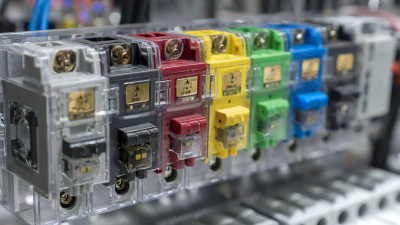
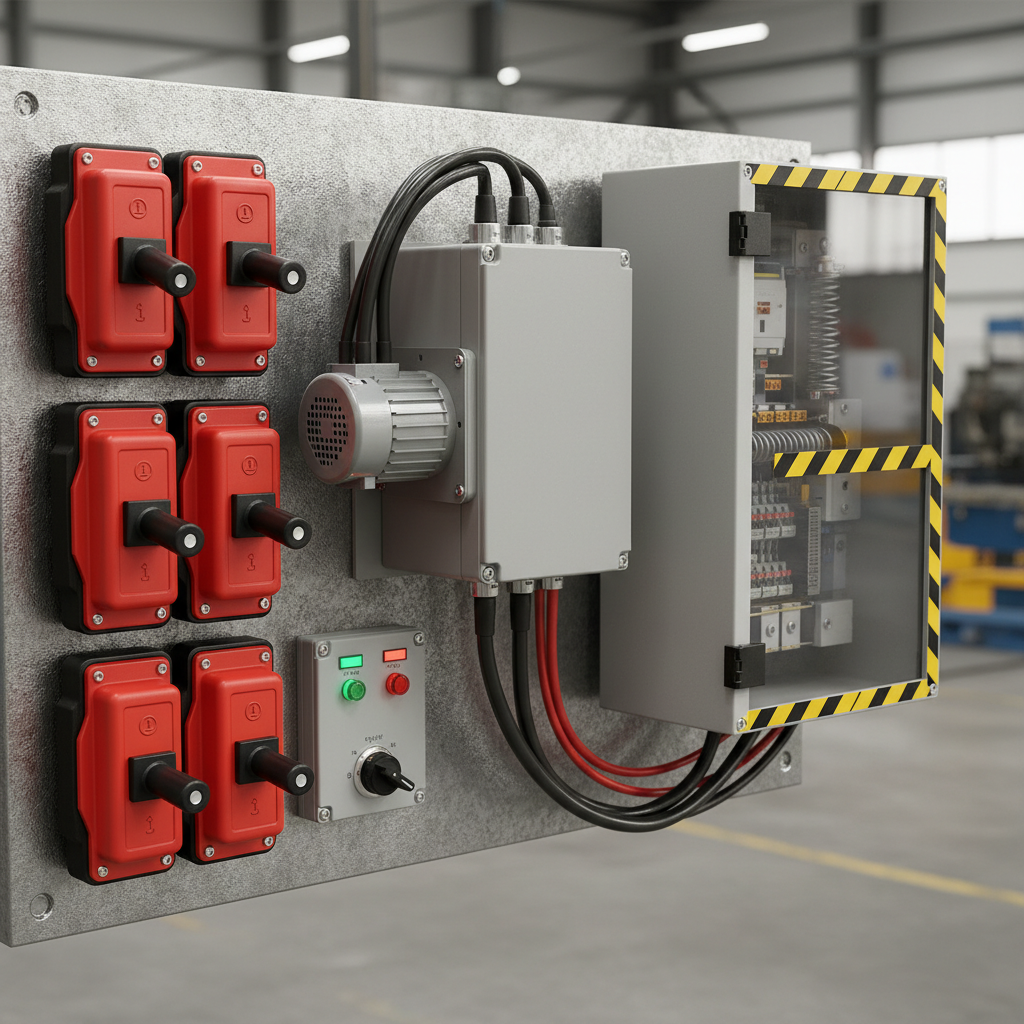
When selecting a circuit isolating switch for an electrical system, it is essential to understand the different types available and their specific applications. Circuit isolating switches can be categorized into several types, including manual switches, motor-operated switches, and automatic disconnect switches.

Manual switches are typically used in smaller applications where an operator can directly control the isolation, while motor-operated switches are ideal for larger systems requiring remote operation. Automatic disconnect switches are often integrated into safety systems to ensure timely disconnection during fault conditions.

The demand for circuit isolating switches is growing, with the global market projected to reach $24.67 billion by 2032, reflecting a shift towards enhanced safety and reliability in electrical systems. In particular, isolation technologies are becoming increasingly vital in EV power electronics, where managing high power levels safely is critical.

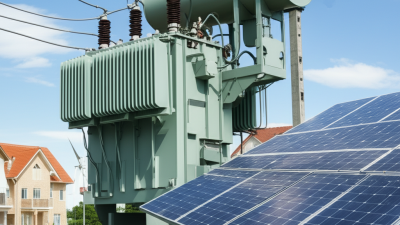
Bidirectional chargers use transformers to achieve this isolation, underscoring the need for robust and efficient circuit isolating switches in modern electrical designs. Understanding these applications and types can help professionals make informed decisions for their specific requirements.

Evaluating Environmental and Safety Standards for Switch Selection

When selecting the appropriate circuit isolating switch for your electrical system, evaluating environmental and safety standards is crucial. Different environments present unique challenges that can impact the performance and longevity of electrical components. For instance, switches installed in outdoor settings must be resistant to moisture, UV rays, and extreme temperatures. IP ratings, indicating ingress protection, are essential for ensuring the switch can withstand the specific environmental conditions it will be exposed to. Therefore, understanding the local climate and any additional protective measures that may be necessary is critical for making an informed choice.

In addition to environmental factors, safety standards play a significant role in switch selection. Compliance with relevant codes, such as those set by the National Electric Code (NEC) or the International Electrotechnical Commission (IEC), ensures that the switch meets minimum safety requirements. These standards provide guidelines for proper installation, operation, and maintenance, protecting both personnel and equipment. It is vital to assess the switch's ratings for current, voltage, and short-circuit protection, as well as its ability to operate safely under fault conditions. By prioritizing these considerations, you can select a circuit isolating switch that maximizes safety and efficiency in your electrical system.

Cost vs. Performance: Finding the Right Balance in Circuit Isolating Switches

Choosing the right circuit isolating switch for your electrical system is a critical decision that balances cost and performance. The global circuit isolating switch market is projected to grow significantly, driven by increasing energy demands and the need for efficient distribution networks. According to a recent industry report, the demand for advanced isolating switches is expected to rise by 8% annually through 2025, highlighting the crucial role these components play in system reliability and safety.

When evaluating circuit isolating switches, it is essential to consider their performance characteristics alongside their costs. High-quality switches can reduce energy losses and enhance operational efficiency, contributing to lower lifecycle costs. Reports indicate that investing in superior isolating switches can lead to energy savings of approximately 15-20% over time, making the initial investment worthwhile. Balancing performance with budget constraints requires careful analysis of each switch's specifications and the overall impact on your electrical system's performance and sustainability goals.

As companies like YUEQING AIBEIKEN ELECTRIC CO., LTD emphasize, delivering high-quality power transmission and distribution equipment remains paramount. Their commitment to excellence since 2005 positions them as a trusted player in helping clients navigate the decision-making process for circuit isolating switches, ensuring both cost-effectiveness and robust performance in electrical systems.

How to Choose the Right Circuit Isolating Switch for Your Electrical System - Cost vs. Performance: Finding the Right Balance in Circuit Isolating Switches

Switch Type Cost ($) Current Rating (A) Voltage Rating (V) Mounting Type Performance Rating
Manual Isolating Switch 50 63 230 Panel Mount Good
Motorized Isolating Switch 120 100 400 Wall Mount Excellent
Remote Control Switch 80 80 300 Din Rail Very Good
Auto Reset Switch 70 50 230 Panel Mount Moderate
Pneumatic Switch 200 120 500 Floor Mount Outstanding

Innovative Advantages of the High Quality LW8-40.5 Outdoor SF6 Circuit Breaker in Modern Power Distribution Systems

The LW8-40.5 Outdoor Sf6 Circuit Breaker emerges as a pivotal advancement in modern power distribution systems, particularly in the context of AC 50Hz three-phase power systems. Designed for outdoor environments, this equipment demonstrates exceptional reliability and efficiency, making it suitable for use in industrial and mining enterprises, power plants, and substations. Its capacity for frequent operation positions it as a preferred solution for critical applications, including protection and control of electrical circuits. The LW8-40.5 serves not only as a standard circuit breaker but also efficiently connects capacitors and reactors, thereby enhancing system performance.

One of the standout features of the LW8-40.5 is its integrated current transformer, which facilitates accurate measurement and protection of electrical currents. This built-in technology allows the circuit breaker to seamlessly replace conventional equipment, such as the SW2-35 type low oil circuit breaker, and various multi oil circuit breakers through the use of its advanced overcurrent bracket. The LW8-40.5 provides a significant advantage for 35kV power systems, offering a sustainable, oil-free solution that reduces environmental impact while maximizing operational efficiency. In an industry where reliability and innovation are paramount, the LW8-40.5 circuit breaker represents a significant leap forward.

FAQS

: What is the most crucial factor to consider when choosing a circuit isolating switch?

: The interrupting capacity of the switch is crucial, as it must handle the maximum expected fault current without failure.

How do environmental conditions influence the selection of a circuit isolating switch?

Environmental conditions such as moisture, dust, and extreme temperatures can affect the choice of material and design for the switch.

What are the different types of circuit isolating switches available?

The main types include manual switches, motor-operated switches, and automatic disconnect switches, each suited for different applications.

In what applications are manual switches typically used?

Manual switches are usually employed in smaller applications where direct operator control is feasible.

Why is it important to evaluate safety standards when selecting a circuit isolating switch?

Compliance with safety standards, such as those set by NEC or IEC, ensures that the switch meets minimum safety requirements and protects both personnel and equipment.

What role do IP ratings play in switch selection?

IP ratings indicate ingress protection, ensuring that the switch can endure specific environmental conditions, particularly for outdoor installations.

How does the demand for circuit isolating switches relate to modern electrical systems?

The demand is growing due to an increased focus on safety and reliability, particularly in applications like EV power electronics.

What is the significance of automatic disconnect switches?

Automatic disconnect switches are integrated into safety systems to ensure timely disconnection during fault conditions, enhancing safety.

What should be assessed regarding a switch's ratings?

It is vital to assess the switch's ratings for current, voltage, and short-circuit protection, along with its capacity to operate safely under fault conditions.

How can understanding switch types and applications aid professionals?

Knowing the different types of switches and their specific applications helps professionals make informed decisions tailored to their requirements.

Conclusion

In the realm of electrical systems, understanding the importance of Circuit Isolating Switches is crucial for ensuring safety and efficiency. These switches serve as vital components that allow for the safe maintenance and operation of electrical systems by isolating sections of the circuit. When selecting the right Circuit Isolating Switch, key factors such as intended application, operational environment, and compliance with safety standards should be carefully evaluated.

Additionally, it is important to weigh the cost against performance to find the ideal balance that meets your system's needs. Various types of Circuit Isolating Switches are available, each suited for specific applications, making it essential for professionals to understand their options. YUEQING AIBEIKEN ELECTRIC CO., LTD, established in 2005, is committed to providing high-quality power transmission and distribution equipment, ensuring that customers have access to reliable and efficient Circuit Isolating Switch solutions.
Isabella

Isabella

Isabella is a seasoned marketing professional at our company, which has been a leader in the power transmission and distribution equipment industry since its establishment in 2005. With a strong technical background, she possesses an in-depth understanding of high-voltage product design and......
Previous Mastering Switchgear Equipment: A Comprehensive Guide for Global Buyers