Choosing the right equipment in today’s electrical world can honestly feel pretty overwhelming sometimes. Take the Electrical Isolator Switch, for example — it’s a small component, but it plays a super important role in keeping things safe. John Smith, who’s a senior engineer over at Power Safety Corp, points out that, “Having a solid isolation strategy is pretty much a must for any electrical setup.” That really drives home how vital proper isolation is.
Electrical isolators are there to protect the entire system in case something goes wrong. They give a clear barrier between the electrical supply and the machinery, which is a huge deal when maintenance is needed. When you’re working on equipment, safety isn’t something to mess around with — and that’s exactly where an Electrical Isolator Switch comes in. It lets technicians do their job without worrying about shocks or accidents. Honestly, it’s more than just a good idea — it’s a crucial safety measure.
That said, not all isolator switches are alike. You’ve got to think about what your specific setup needs — things like voltage levels and how much load they’ll handle. Picking the wrong one could lead to problems down the road, so it’s a good plan to do your homework and maybe even ask an expert for a second opinion. Just remember: an Electrical Isolator Switch only does its job if you pick the right one for your situation.
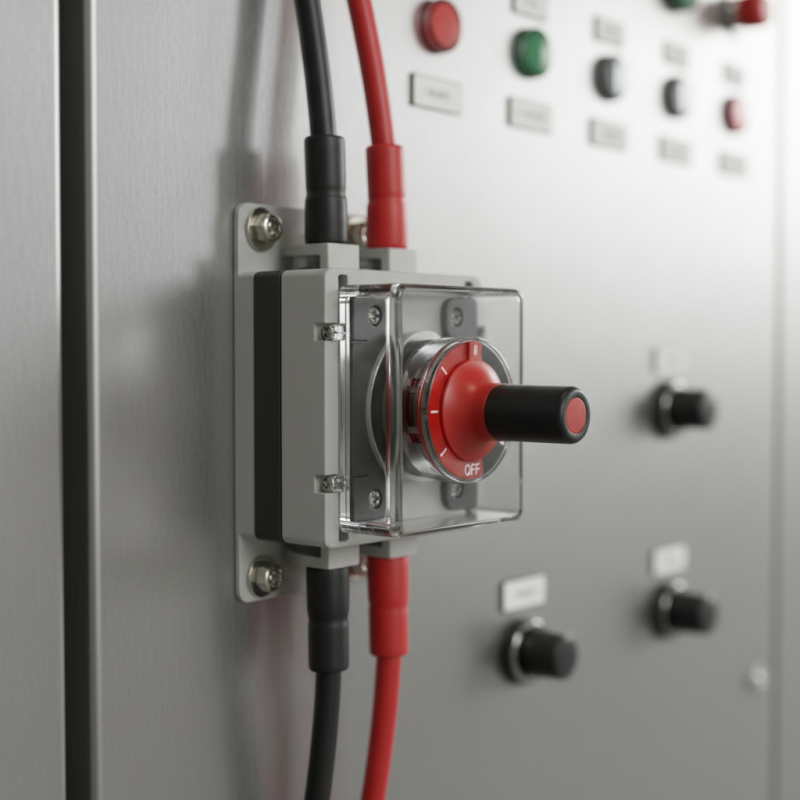
Understanding Electrical Isolator Switches and Their Functionality
Electrical isolator switches are crucial in managing electrical systems. They ensure safety by allowing for the disconnection of circuits under load. According to industry reports, about 70% of electrical mishaps occur due to improper disconnection procedures. This highlights the need for reliable isolator switches in both residential and commercial settings.
Understanding the functionality of electrical isolator switches is essential. They offer a clear visual indicator of whether the circuit is active or deactivated. The design helps prevent accidental reactivation. Data indicates that up to 30% of workers have encountered situations where they believed a circuit was off, leading to potential dangers.
Moreover, not all isolator switches are created equal. Factors such as amperage ratings and the environment are vital considerations. A poorly chosen switch can result in operational failures. Regular maintenance is often neglected, causing further complications. It's essential to evaluate these components closely to ensure proper functionality and safety.
Key Benefits of Using Electrical Isolator Switches in Electrical Systems
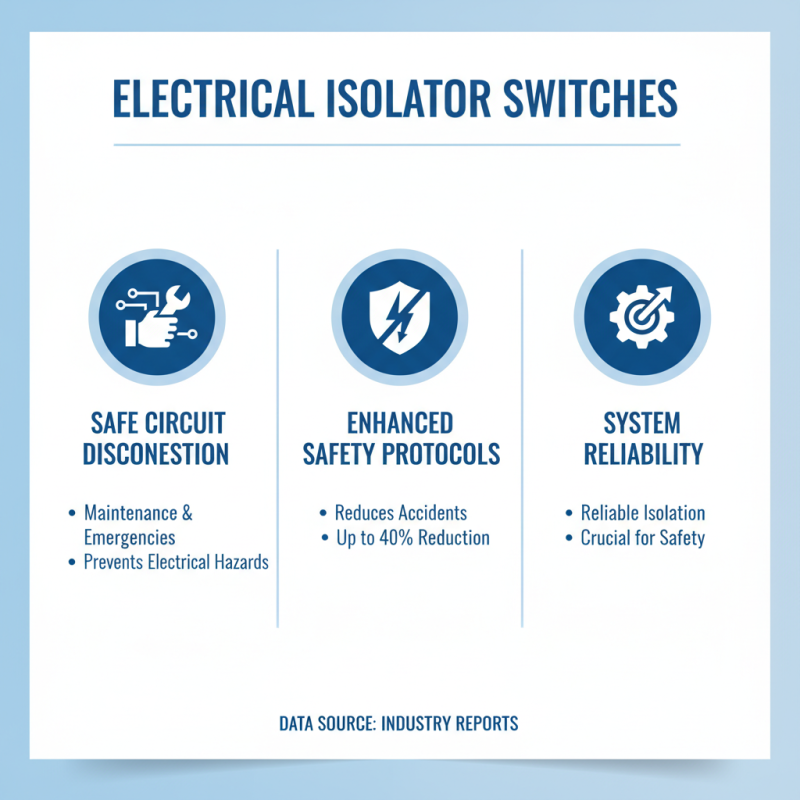
Electrical isolator switches serve a vital role in electrical systems. They provide a reliable means to disconnect circuits safely. This disconnection is crucial during maintenance or emergencies, preventing potential electrical hazards. According to industry reports, using isolator switches can reduce electrical accidents by up to 40%. This data emphasizes the importance of isolation in safety protocols.
The key benefits of these switches include improved maintenance accessibility and enhanced safety. For example, a facility that integrates a 12v Isolator Switch can enable quicker access to circuits for technicians. It enhances efficiency and reduces downtime. Efficient systems can lead to lower operational costs. Yet, many facilities overlook the need for regular inspections of these switches. Neglect can lead to wear, reducing their effectiveness.
Additionally, isolator switches can help manage electrical loads better. They allow for selective disconnection of specific circuits. A report by the Electrical Safety Foundation suggests that optimized load management can improve energy efficiency by up to 30%. This not only saves money but also contributes to sustainability goals. However, some systems still operate without this essential component, highlighting a gap in awareness.
Different Types of Electrical Isolator Switches Available in the Market
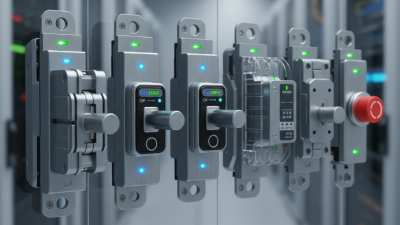
When it comes to electrical safety, choosing the right isolator switch is crucial. Various types of isolator switches cater to different needs in industries. For instance, rotary isolators are popular for their compact size and ease of use. They allow quick disconnection and are often used in residential properties. In contrast, modular isolators are designed for panel mounting, making them ideal for commercial settings. According to industry reports, around 35% of electrical failures are linked to inadequate switchgear, underscoring the importance of proper isolation.
Furthermore, certain isolators are specifically designed for harsh environments. Weatherproof and corrosion-resistant switches ensure longevity in outdoor applications. Data suggests that these specialized switches can reduce maintenance costs by up to 20%. However, selecting the wrong type can lead to safety hazards. Many users overlook this factor, thinking all isolators are the same. Different applications require tailored solutions to ensure compliance with safety standards.
Not all isolators perform equally. The choice between a manual or motor-operated isolator affects operational efficiency. Manual switches are more economical but may require regular checking. Motor-operated versions offer convenience but come with a higher initial cost. As important as choosing an isolator is, proper installation is equally vital. Neglecting this can compromise the switch's functionality and safety.
How to Select the Right Electrical Isolator Switch for Specific Applications
When selecting an electrical isolator switch, consider the specific application. Each type serves a unique purpose. A 24kv Isolator Switch is ideal for high-voltage systems. It isolates equipment from the power supply, ensuring safety during maintenance. However, users often overlook voltage ratings. Choosing a switch without proper specifications can lead to dangerous situations.
Think about the environment as well. Some switches are rated for indoor use while others withstand outdoor conditions. Durability is essential, especially in harsh climates. Dust and moisture can impact performance. Poor choices here could cause significant downtime.
Installation is another factor to weigh. While some isolator switches are user-friendly, others may require professional help. DIY installations might save money but lead to mistakes. It’s crucial to understand your capabilities before proceeding. Reflecting on the application, environment, and installation can guide you toward the right switch for your needs.
Installation and Maintenance Tips for Electrical Isolator Switches
When installing an electrical isolator switch, safety and functionality are paramount. Ensuring the correct location for your Outdoor Isolator Switch is crucial. It should be easily accessible yet protected from environmental factors. Consider potential weather impacts when choosing its placement. A poorly positioned switch can lead to safety hazards during maintenance.
Regular maintenance is essential for longevity. Inspect the isolator switch periodically for any signs of wear or damage. Pay attention to rust or loose connections, which can compromise performance. Cleaning the switch is just as important; dirt buildup can affect its efficiency. If issues arise, do not hesitate to seek professional help. Often, troubleshooting can reveal oversights that cause bigger problems later.
Some DIY enthusiasts may attempt installation without fully understanding guidelines. This can lead to mistakes, ultimately costing more. Always follow the manufacturer's specifications closely. A little research can go a long way in avoiding pitfalls. Think critically about your installation and ongoing care, ensuring a reliable electrical system.
Safety Considerations When Using Electrical Isolator Switches
When choosing an electrical isolator switch, safety is paramount. These switches disconnect power to circuits safely. According to the National Electrical Safety Foundation (NESF), faulty wiring is a leading cause of over 30% of electrical fires. An electrical isolator switch helps mitigate these risks by providing a reliable way to disconnect power during maintenance or emergencies.
Particularly with 3 Phase Isolator Switches, safety features become even more critical. These switches can manage higher loads and voltage levels. Data shows that poorly maintained electrical systems in industrial settings can lead to accidents, causing injuries or fatalities. Regular inspections of isolator switches can reveal wear or failure that could pose danger. However, a lack of strict compliance with maintenance schedules is common, leading to overlooked safety risks.
Investing in reliable isolator switches enhances workplace safety. Yet, the challenge remains in addressing the human factor. Workers may bypass safety protocols in haste, disregarding switch usage. This behavior illustrates a gap in training and awareness. Effective training programs can bridge this divide, ensuring that all staff understand the importance of using a 3 Phase Isolator Switch to prevent accidents.
Common Misconceptions About Electrical Isolator Switches Explained
When considering electrical isolator switches, misunderstandings often arise. Many believe these switches are merely for safety. In truth, they serve multiple functions. They provide protection against electrical faults and allow for maintenance without disrupting the entire system. According to a report by the International Electrotechnical Commission, proper isolation can reduce maintenance costs by up to 30%.
Another common misconception is that isolator switches are complicated to install. In reality, many designs are straightforward and user-friendly. They typically require basic tools. In a study conducted by Electrical Safety Foundation International, it was found that improper installation contributes to nearly 25% of electrical accidents. This highlights the need for accurate understanding and proper training in using isolator switches.
People often think these switches are only necessary in commercial settings. However, residential applications can benefit as well. Many homes have complex electrical systems that may pose risks without proper isolation. Reports indicate that homes equipped with isolator switches experience fewer electrical incidents. Misconceptions about isolator switch applications can potentially lead to dangerous situations.
Why Choose an Electrical Isolator Switch for Your Needs? - Common Misconceptions About Electrical Isolator Switches Explained
| Feature | Description | Common Misconception |
| Safety | Isolator switches enhance safety by providing a clear means of disconnecting power. | Many believe they are unnecessary for small circuits. |
| Application | Used in residential, commercial, and industrial settings to control large electrical systems. | Some think they are only needed in industrial applications. |
| Durability | Designed to withstand harsh environmental conditions. | There's a misconception that they wear out quickly. |
| Cost-effectiveness | Offer long-term savings by preventing electrical failures. | People often think they are too expensive to justify their use. |
| Ease of Use | Simple operation with a clear on/off mechanism. | Misunderstood as complicated devices that require special training. |
Enhancing Electrical Safety: An Overview of the High Performance GW5-40.5 40.5KV Outdoor Electric Isolation Switch
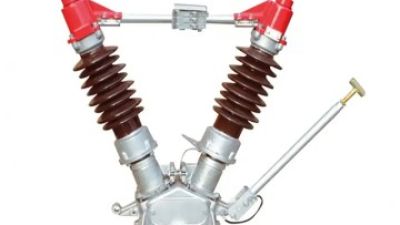
The high-performance GW5-40.5 40.5KV outdoor Electric Isolation Switch is designed to enhance electrical safety in various applications. This product features a double column horizontal fracture center opening type, allowing for flexibility in installation and maintenance. It can be equipped with grounding switches on one or both sides, ensuring that operators can safely isolate circuits when necessary. The design prioritizes ease of use and reliability, making it suitable for demanding environments.
The isolation switch comes with a 90-degree transmission mechanism that operates through the CS17 manual operation system, allowing for smooth three-pole linkage operation. For more advanced applications, the 180-degree isolation switch employs either the CJ6 electric motor operating mechanism or the CS17G manual operating mechanism, both of which facilitate synchronized operation of multiple poles. This versatility ensures that operators can consistently achieve secure and effective isolation of electrical circuits, thereby enhancing overall safety in electrical installations. The manual grounding switch also utilizes the CS17G mechanism, reinforcing the product’s commitment to safety through reliable operation.
FAQS
: The product aims to enhance productivity and improve focus during work or study sessions.
It is recommended to use the product in a quiet environment and set specific goals beforehand.
Some users report mild jitters or discomfort. It’s important to listen to your body.
While many can use it, those with specific health concerns should consult a professional.
Results vary. Some may notice changes within days. Others might need weeks to feel a difference.
It’s normal to have varying experiences. Reflect on your usage and consider adjusting your approach.
Most find 30-60 minutes effective. Overuse might lead to burnout, so take breaks.
Yes, many use it alongside regular tasks. Just ensure it doesn’t become a distraction.
It’s okay to feel disappointed. Evaluate what you’re looking for. Adjust your approach if necessary.
Conclusion
Electrical isolator switches play a crucial role in electrical systems by ensuring safe isolation of electrical circuits during maintenance or emergencies. Understanding their functionality helps users appreciate the key benefits, such as enhanced safety and reliability. Various types of electrical isolator switches are available, each designed for specific applications, making it essential to choose the right one based on individual needs.
Selecting the appropriate electrical isolator switch involves considering factors like voltage type and operational environment. Proper installation and regular maintenance are vital for optimal performance and longevity. Additionally, it's important to address safety considerations and dispel common misconceptions surrounding electrical isolator switches to ensure effective and safe usage. Overall, these switches are integral components that contribute significantly to the safety and efficiency of electrical systems.