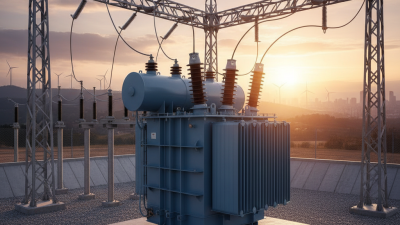
When it comes to modern energy solutions, Gas Insulated Substations, or GIS for short, really stand out thanks to their efficiency and compact size. I mean, experts like Dr. Emily Johnson from Power Innovations often say, *'The future of energy distribution is all about smart, sustainable tech.'* Her words really capture how much things are changing in the energy world.
GIS is pretty much transforming how we handle electrical grids. Unlike those old-school substations, GIS takes up way less space and is way more reliable. As cities keep growing, the need for smarter, more efficient energy solutions just keeps rising. But, gotta admit, some folks are concerned about the hefty upfront costs — it can be intimidating!
Sure, GIS tech comes with a bunch of clear benefits, but putting it into action isn’t always a walk in the park. It takes careful planning and good coordination. Stakeholders really need to weigh the long-term gains against the initial expenses. It’s all about embracing new tech while being mindful of potential hurdles. All in all, the road to perfecting our energy systems is still a work in progress — complex, but definitely exciting.
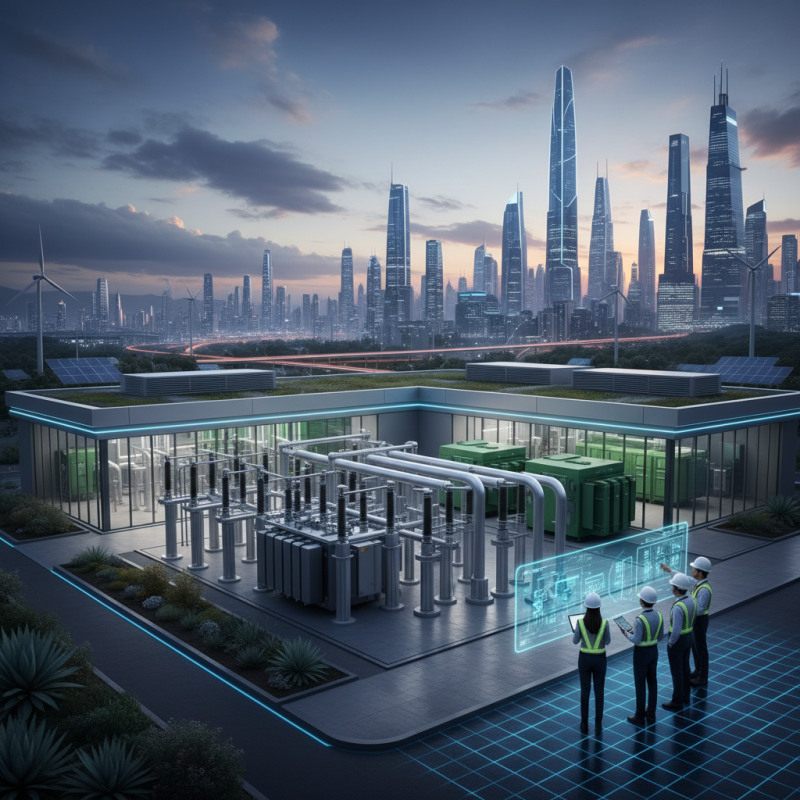
Overview of Gas Insulated Substations (GIS)
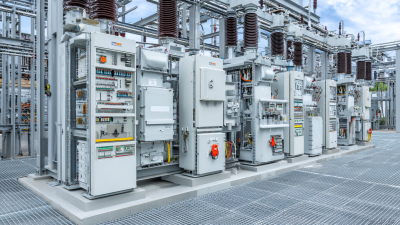
Gas Insulated Substations (GIS) play a crucial role in modern energy solutions. They utilize gas, often sulfur hexafluoride (SF6), for insulation. This design minimizes space requirements compared to traditional substations. GIS is especially useful in urban areas where land is limited. Their compact size allows for enhanced flexibility in installation. However, the reliance on SF6 raises environmental concerns. Leakage of this gas contributes to global warming.
GIS offers several advantages. They require less maintenance and are more reliable under harsh conditions. Their sealed design protects equipment from dust and moisture. This leads to lower operational costs over time. Yet, the initial investment can be significant. Many utility companies face budget constraints. The installation process can also be complex.
Future developments in GIS technology are necessary. Researchers are exploring eco-friendly alternatives to SF6. The push for sustainability is strong. Improved designs may lead to even more efficient energy solutions. As the demand for electricity grows, GIS will remain vital. Balancing efficiency and environmental impact is a challenge we must address.
Benefits of Using Gas Insulated Substations for Energy Efficiency
Gas Insulated Substations (GIS) have become a game changer for efficient energy solutions. They utilize gas insulation to enhance safety and reliability. These substations require less space compared to traditional methods. This compact design makes them ideal for urban areas. Additionally, GIS operates under a wide range of environmental conditions. They can function well in extreme temperatures and harsh weather.
Gas Insulated Switchgear is a critical component of these substations. It provides substantial benefits in terms of performance and efficiency. The enclosed environment protects vital components from environmental damage. This reduces maintenance costs and extends the lifespan of the equipment. Many sites have reported lower operational issues with GIS technology.
Tip: Regular monitoring can optimize performance. Consider implementing advanced diagnostic tools to assess equipment health.
Another asset is the reduced electromagnetic interference. This can lead to better energy quality. It’s important to keep in mind that while GIS offers many advantages, initial installation can be complex. Balancing performance and simplicity is key in planning.
Tip: Evaluate your site’s specific needs before choosing GIS. Customization could enhance overall efficiency.
Key Features of the Best Gas Insulated Substations in 2026
Gas insulated substations (GIS) are essential for modern energy solutions. In 2026, several key features define the best GIS designs. Firstly, compactness is crucial. A smaller footprint means less land use, making them ideal for urban areas. These substations are becoming increasingly popular in densely populated cities.
Additionally, advanced insulation materials enhance safety and efficiency. These materials help minimize the risk of electrical faults. Enhanced durability is also a noteworthy feature. GIS must withstand harsh weather and environmental conditions, ensuring reliability. However, while these advancements are promising, there is still a need for ongoing improvements in maintenance practices. Inspections should be frequent and thorough.
Moreover, modern GIS designs focus on sustainability. Reduced greenhouse gas emissions are a goal. Efficient energy consumption is also essential. However, some designs still fall short in these areas. Manufacturers need to consider the lifecycle impacts of their products more carefully. As the industry evolves, balancing efficiency and environmental responsibility will remain a critical challenge for designers and engineers alike.
Top Manufacturers and Innovations in GIS Technology
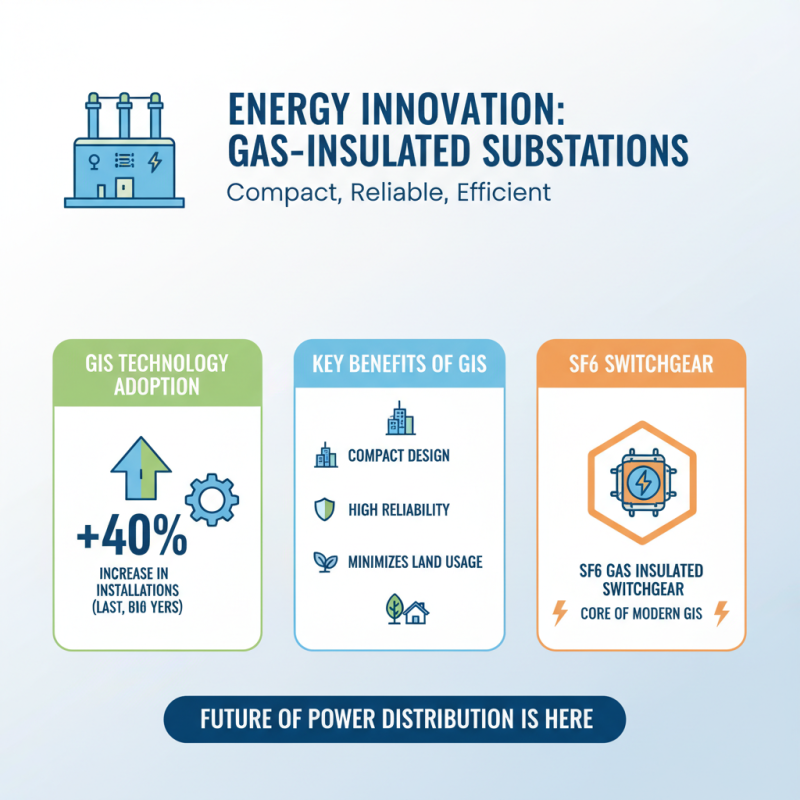
The demand for efficient energy solutions is driving innovations in gas insulated substations (GIS). The adoption of GIS technology, particularly Sf6 Gas Insulated Switchgear, is rising due to its compact design and reliability. According to recent industry reports, GIS installations have increased by over 40% in the last five years. This shift reflects a growing focus on minimizing land usage and enhancing performance.
However, the environmental concerns surrounding SF6 gas cannot be ignored. SF6 is a potent greenhouse gas with a high global warming potential. As the industry evolves, manufacturers are investing in sustainable alternatives and technologies to mitigate these concerns. The challenge lies in balancing efficiency with environmental responsibility.
Tips for manufacturers include focusing on R&D to explore eco-friendly alternatives. Implementing robust safety measures is also crucial. Investing in training programs can ensure employees handle materials properly. Achieving operational excellence requires a commitment to continual improvement and responsiveness to market demands. Overall, the future of GIS technology lies in innovation that aligns with sustainability goals.
Comparative Analysis: GIS vs. Air Insulated Substations
Gas-insulated substations (GIS) and air-insulated substations (AIS) have become pivotal in energy distribution. GIS, while compact, are often favored for urban settings with space limitations. They typically occupy 50% less land than AIS, making them a compelling choice for cities. However, the initial costs for GIS can be significantly higher, sometimes exceeding 30% compared to their air-insulated counterparts.
In terms of performance, GIS are noted for their reliability and lower maintenance needs due to their insulated environment. A study by the International Energy Agency indicates that GIS can achieve a service life of around 40 years with reduced outages. Yet, there are concerns regarding the environmental effects of insulating gases used, often dubbed "greenhouse gases." This issue necessitates a balanced evaluation of long-term operational benefits versus short-term environmental impacts.
On the other side, AIS are easier to maintain and typically have a lower upfront cost. Their larger footprint means they may not be suitable for densely populated areas. Many operators are also re-evaluating AIS, especially in terms of technological advancements that enhance their efficiency. Both systems have their unique advantages and challenges, emphasizing the need for a thorough comparative analysis in decision-making processes.
Impact of GIS on the Energy Sector and Urban Development
Gas Insulated Substations (GIS) are transforming the energy sector. Their compact design allows for installations in urban areas where space is limited. Cities can integrate these substations seamlessly into infrastructure. This capability can reduce the footprint of energy systems and aid urban development.
GIS technology significantly impacts energy efficiency. The 33kv Gas Insulated Switchgear plays a crucial role in optimizing grid performance. By minimizing energy loss, these systems can support cleaner energy sources. However, the initial costs of installation may deter some developers. It raises questions about financial viability and long-term benefits.
Urban planners need to consider these aspects carefully. While GIS enhances efficiency, potential drawbacks exist. Maintenance can be more complex and costly. Striking a balance between innovative energy solutions and practical challenges is key. We must continue assessing the effectiveness of GIS in real-world applications.
2026 Best Gas Insulated Substations for Efficient Energy Solutions
| Dimension | Data |
| Capacity (MVA) | 400 |
| Number of Bays | 6 |
| Transmission Voltage (kV) | 123 |
| Total Footprint (m²) | 2500 |
| Estimated Cost (Million $) | 5.5 |
| Cooling Method | Air Cooled |
| Operational Efficiency (%) | 99.5 |
| Installation Year | 2026 |
Future Trends in Gas Insulated Substation Design and Applications
Gas Insulated Substations (GIS) are gaining traction as reliable energy solutions. With the rise in urbanization, space is becoming a premium. GIS towers above traditional substations in terms of footprint. They require 30-50% less space, making them ideal for crowded environments. The 33kv Gas Insulated Substation is particularly noteworthy. This setup efficiently manages power distribution with minimal environmental impact.
Future trends indicate a shift towards enhanced automation and digital monitoring. These systems can reduce human intervention while increasing safety. A recent report highlighted that implementing smart technology in GIS can lead to a 25% increase in operational efficiency. However, costs remain a significant concern. Initial investments for GIS can be high, and this deters some potential applications.
A key challenge is the long-term maintenance and lifecycle management. Many facilities struggle with the intricacies of these systems. Data shows that improper maintenance can lower efficiency by up to 15%. Integrating comprehensive training for operators is crucial. This aspect is often overlooked, leading to greater operational risks. The future of GIS design promises exciting innovations, but these challenges must be addressed for optimal results.
Analyzing the Impact of Epoxy Resin Insulation on Efficiency and Longevity in Three-Phase 10KV Dry-Type Transformers: Insights from Industry Data Reports
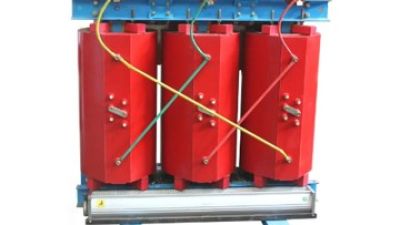
The analysis of epoxy resin insulation in three-phase 10KV dry-type transformers reveals significant insights into their efficiency and longevity, particularly in the context of industry data reports. These transformers are meticulously engineered to comply with established international and national standards such as IEC60076, GB6450, and GB/T10228-1997. As a result, they offer a myriad of advantages that uphold their performance in different operational environments.
One of the primary benefits of epoxy-resin dry-type transformers is their ability to minimize energy losses, which not only enhances overall efficiency but also contributes to reduced operational costs. The lightweight and compact design ensures ease of installation and maintenance, while the low noise emissions promote a quieter operating environment. Furthermore, their excellent moisture resistance and robust mechanical durability enable them to perform reliably in various climatic conditions, making them suitable for areas with high power demands and stringent fire safety regulations.
Additionally, these transformers are equipped with fire-retardant properties and enhanced overload capacity, showcasing their capability to handle demanding operational scenarios without compromising safety. The low partial discharge characteristics further enhance their reliability and lifespan, solidifying their position as a preferred choice for modern power transmission and distribution systems. The insights gained from industry data underscore the critical role that epoxy resin insulation plays in optimizing performance and extending the operational life of dry-type transformers.
FAQS
: The product aims to simplify daily tasks. It helps users manage their time effectively.
It's designed for ease of use. However, initial setup may take some time.
Users should follow instructions carefully. Misuse can lead to unintended consequences.
Yes, it is suitable for outdoor use. But harsh weather may affect its performance.
Regular cleaning is recommended. Neglecting maintenance can reduce its lifespan.
Try resetting it first. If problems persist, consult the manual for guidance.
A limited warranty is typically provided. Still, read terms carefully for specifics.
Yes, it has connectivity options. Compatibility may vary, so check the manual.
Battery life varies by usage. Expect it to last several hours under normal conditions.
It may not be suitable for very young children. Parental guidance is advised.
Conclusion
Gas Insulated Substations (GIS) represent a cutting-edge solution for improving energy efficiency in modern electrical infrastructure. These substations utilize gas insulation technology, which allows for smaller, more compact designs compared to traditional air insulated substations. The benefits of GIS include enhanced reliability, reduced maintenance costs, and lower environmental impact, making them a preferred choice for urban development and energy applications.
As we look toward 2026, the best gas insulated substations will feature advanced innovations that cater to the growing demand for sustainable energy solutions. Key developments in GIS technology aim to optimize performance while minimizing space requirements. Furthermore, a comparative analysis with air insulated substations highlights the long-term advantages of GIS in terms of efficiency and safety. With the ongoing trends in urbanization and energy consumption, the impact of gas insulated substations on the energy sector will continue to be significant, paving the way for a more efficient and sustainable future.