In the constantly changing world of electrical power distribution, picking the right oil-immersed transformer is super important if you want reliable and efficient energy management. According to a recent report from MarketsandMarkets, the global market for these transformers is expected to hit around $20 billion by 2025, growing at a compound annual rate of about 6.3%. A big part of this growth? More investments in renewable energy projects and efforts to upgrade old, worn-out grid infrastructure across the globe.
One expert who really highlights how key this is is
Dr. Emily Johnson, a top researcher at the
International Electric Power Association. She points out, “Choosing the right
Oil Immersed Transformer isn’t just about specs; it’s about really understanding what your specific application needs and the environment it’ll be working in.” As utility companies and industries deal with the ongoing challenges of modernizing and going green, these transformers need to be capable of handling
higher loads and more
unpredictable demands—super critical stuff.
In this guide, we’re going to walk through the main things you should think about when picking an
Oil Immersed Transformer. The goal? Help you make a choice that fits your technical needs and supports your long-term goals. Looking ahead to
2025, making the right call on this will be even more important, so it pays to be well-informed and
strategic about your decision.
Understanding the Basics of Oil Immersed Transformers for Optimal Selection
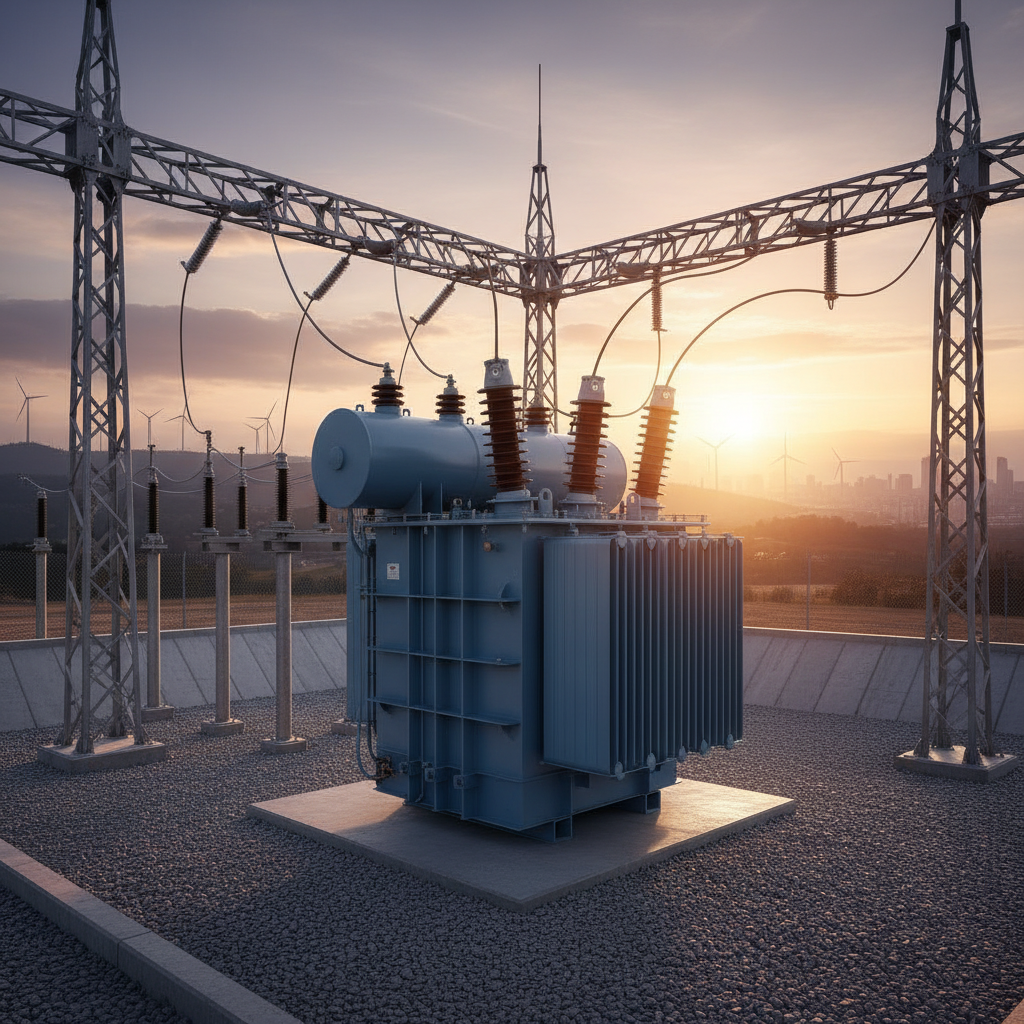
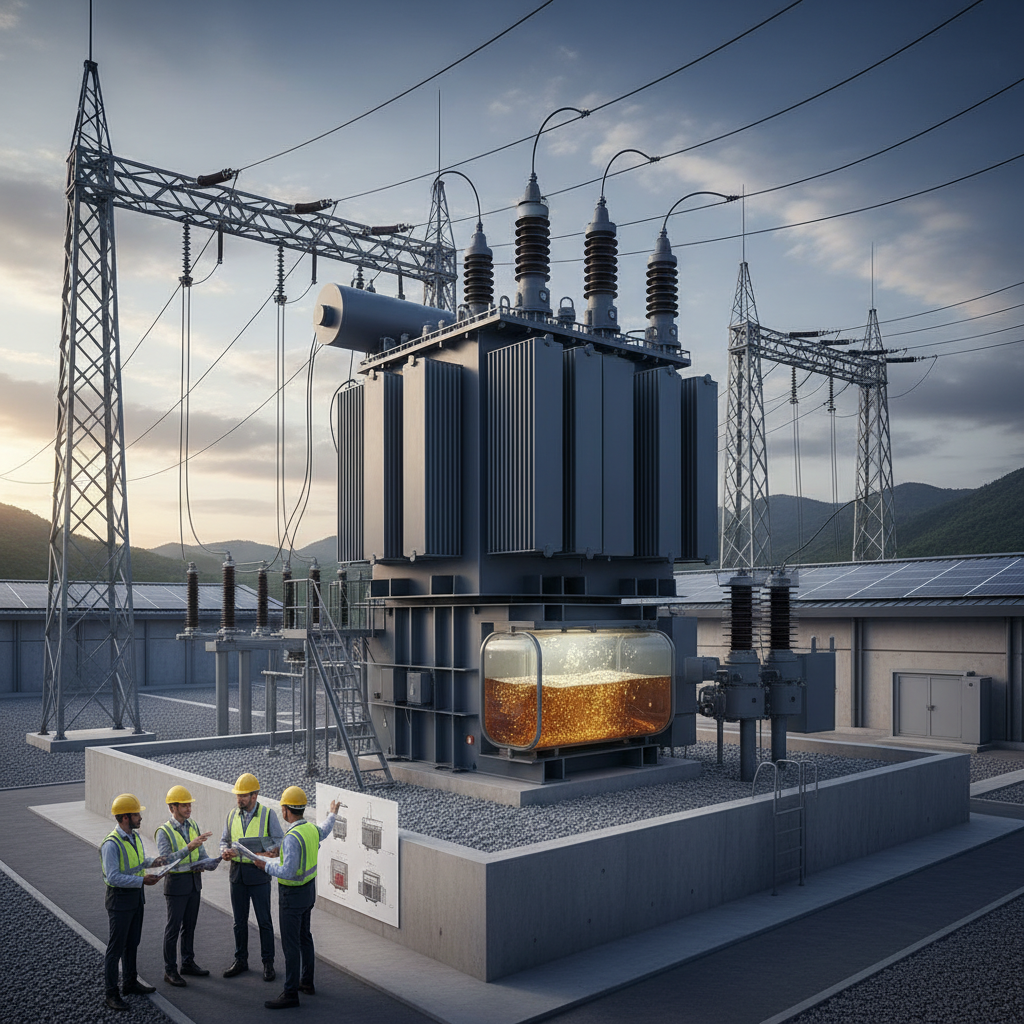
Choosing the right oil immersed transformer is essential for ensuring efficiency and longevity in electrical applications. To make an informed decision, it's crucial to first understand the fundamentals of these transformers. Oil immersed transformers use oil as an insulating and cooling medium, which allows them to operate at higher capacities while maintaining optimal performance. Familiarizing yourself with key terms like kVA rating, winding configuration, and noise levels can help you assess which transformer best suits your specific needs.
Tip: When considering the kVA rating, anticipate future load requirements to prevent undercapacity. It’s generally advisable to choose a transformer that exceeds your initial load projections to accommodate potential expansions.
Additionally, take into account the installation environment. Factors such as temperature fluctuations, humidity, and proximity to residential areas can significantly impact transformer performance. Selecting a model that offers robust protection against environmental stresses will enhance its reliability.
Tip: If the transformer will be placed in an area prone to flooding or high moisture, consider investing in oil immersed transformers designed with additional weatherproofing features. This proactive measure can prolong the operational life of your equipment.
Key Factors to Consider When Choosing Oil Immersed Transformers
When selecting an oil immersed transformer, several key factors must be considered to ensure it meets your specific needs. First and foremost, evaluate the transformer's power rating, which should align with your operational requirements. Opt for a transformer that not only supports your current load but also allows for future growth. Additionally, consider the voltage levels and the specific applications for which the transformer will be used, as this will influence both efficiency and performance.
Another critical aspect is the environmental conditions where the transformer will be installed. Oil immersed transformers can vary significantly based on their insulation class and cooling methods, which are influenced by temperature and humidity levels. Moreover, pay attention to the manufacturer’s reputation and history in the industry. At YUEQING AIBEIKEN ELECTRIC CO., LTD, we have been committed to delivering high-quality power transmission and distribution equipment since 2005, ensuring that our products are engineered for reliability and performance in diverse environments. By factoring in these elements, you can make a more informed choice tailored to your operational needs.
Comparing Different Types of Oil Immersed Transformers: Pros and Cons
When selecting an oil immersed transformer, understanding the pros and cons of different types can help you make an informed decision that fits your operational needs. Oil immersed transformers primarily come in two types: conventional and amorphous core transformers.
Conventional transformers are well-established and offer reliability, but they tend to have higher energy losses due to their magnetic core composition. In contrast, amorphous core transformers are designed to reduce energy losses, resulting in improved efficiency. However, they may have higher initial costs and a shorter lifespan than conventional options.
Tips: When choosing a transformer, consider the total cost of ownership, including maintenance and energy efficiency. Evaluate your energy demands and future growth potential to select a transformer that serves your long-term needs. Finally, always review the manufacturer’s specifications and warranties to ensure you are making a choice that balances cost, performance, and reliability.
Evaluating Your Power Needs: Sizing the Right Oil Immersed Transformer
When choosing the right oil immersed transformer, understanding your power needs is essential. The global oil filled transformer market is projected to grow from USD 31.58 billion in 2024 to USD 53.06 billion by 2032, reflecting a significant increase in energy demands and the necessity for reliable power solutions. This growth trajectory is fueled by the integration of renewable energy sources and the modernization of grid infrastructure, which necessitates more efficient and robust transformer systems.
Tips: Before selecting an oil immersed transformer, assess the total power load and its fluctuations during peak usage times. Ensure to factor in future growth to avoid under-sizing, which could lead to performance issues.
The evolving transformer market highlights a pressing need for advanced technologies to monitor transformer health, with companies exploring digital twins and machine learning models to predict lifespan and efficiency. As transformer crises loom due to unprecedented lead times and costs, it's imperative to make informed choices regarding transformer specifications based on your operational requirements.
Tips: Conduct a comprehensive analysis of insulation materials and voltage classes suitable for your operations to enhance longevity and performance. Consider energy-efficiency ratings as these can lead to substantial savings and reduced operational costs over time.
Maintenance and Longevity: Ensuring the Best Performance of Your Transformer
When selecting an oil-immersed transformer, understanding the importance of maintenance and longevity is crucial for ensuring optimal performance. Regular maintenance not only extends the lifespan of the transformer but also enhances its operational efficiency. This includes routine inspections, oil testing, and addressing any signs of wear or damage promptly. By implementing a proactive maintenance program, operators can avoid unexpected failures and costly downtime, ultimately ensuring that the transformer operates at peak performance throughout its lifecycle.
At YUEQING AIBEIKEN ELECTRIC CO., LTD, we emphasize the significance of quality engineering and maintenance support for our oil-immersed transformers. Established in 2005, our dedicated team of engineers focuses on the design and development of high-quality power transmission and distribution equipment. We aim to provide our global customers with products that not only meet their immediate needs but also ensure long-term reliability and performance. Investing in a well-maintained transformer from a trusted supplier like AIBEIKEN can lead to significant cost savings and improved operational success over time.
2025 Guide: How to Choose the Right Oil Immersed Transformer for Your Needs
| Transformer Type | Capacity (MVA) | Cooling Method | Expected Lifespan (Years) | Maintenance Frequency | Performance Rating |
| Outdoor Oil Immersed Transformer | 10 | ONAN | 30 | Annual | A+ |
| Substation Transformer | 25 | ONAF | 40 | Bi-Yearly | A++ |
| Industrial Transformer | 50 | ONAN/ONAF | 35 | Quarterly | A+ |
| Mobile Transformer | 5 | ONAN | 25 | Annual | B |
Budgeting for Your Oil Immersed Transformer: Cost Considerations and Savings
When budgeting for an oil immersed transformer, it's essential to consider both initial costs and long-term savings. According to a report by the International Energy Agency (IEA), manufacturers of oil immersed transformers suggest that the up-front costs can vary significantly based on the transformer's capacity and additional features, such as advanced cooling systems or monitoring technology. A typical range for these transformers is between $10,000 to $50,000. However, investing in higher efficiency models can reduce operational costs by up to 15%, which is crucial for long-term financial planning.
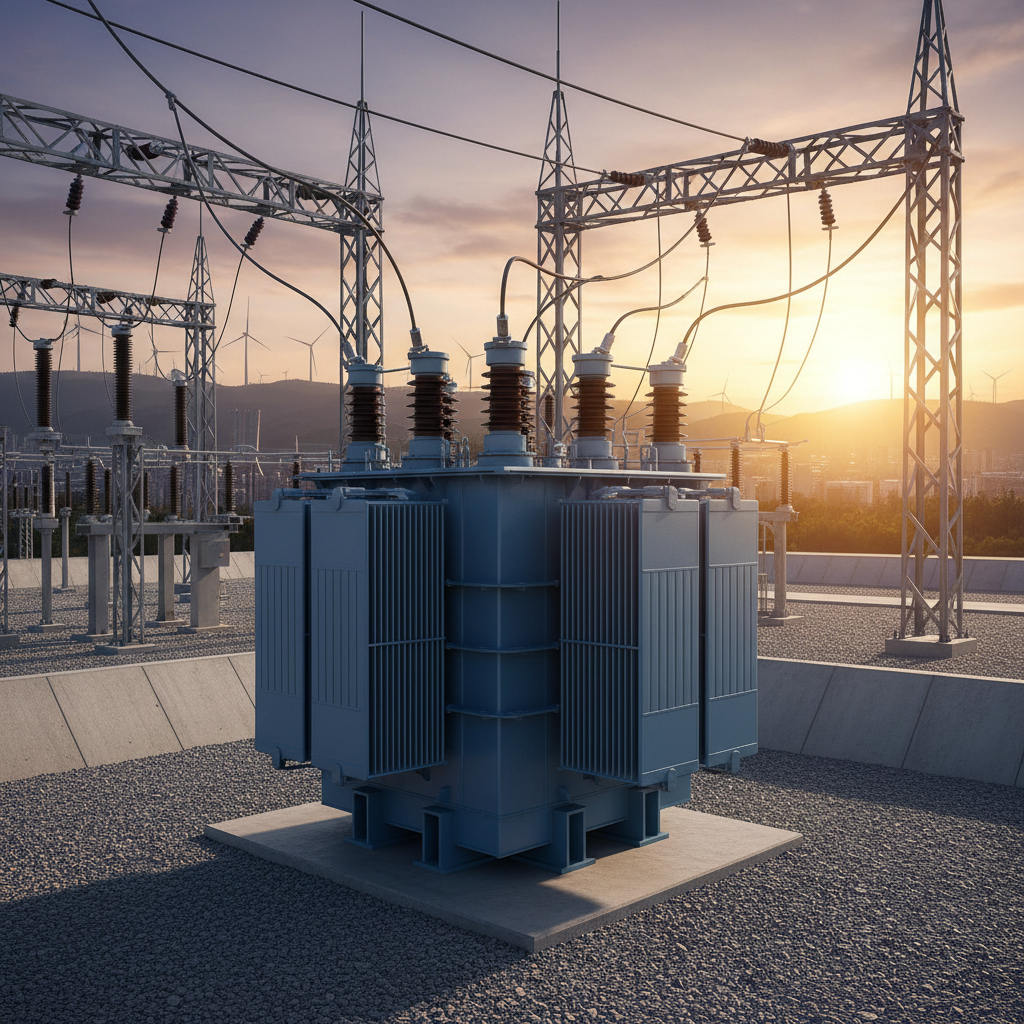
Additionally, maintenance costs should not be overlooked. A study by the Electric Power Research Institute (EPRI) highlights that well-maintained oil immersed transformers can last over 30 years, resulting in lower lifetime costs when compared to cheaper alternatives that may require more frequent repairs or replacements. Incorporating a comprehensive maintenance program can save utilities and industrial operators up to 20% on their overall investment, emphasizing the importance of factoring in ongoing costs when making your selection. Therefore, while initial pricing is important, prioritizing efficiency and durability can yield substantial savings in the long run.
FAQS
: Oil immersed transformers use oil as an insulating and cooling medium, allowing them to operate at higher capacities while maintaining optimal performance.
When considering the kVA rating, anticipate future load requirements to prevent undercapacity. It is advisable to choose a transformer that exceeds your initial load projections to accommodate potential expansions.
The installation environment, including factors like temperature fluctuations, humidity, and proximity to residential areas, can significantly impact transformer performance and reliability.
If the transformer will be placed in an area prone to flooding or high moisture, consider investing in oil immersed transformers designed with additional weatherproofing features to prolong operational life.
Ensure to assess the total power load and its fluctuations during peak usage times, and factor in future growth to avoid under-sizing, which could lead to performance issues.
The integration of renewable energy sources and the modernization of grid infrastructure are leading to a significant growth in the oil filled transformer market, necessitating more efficient and robust transformer systems.
Companies are exploring digital twins and machine learning models to monitor transformer health, predict lifespan, and improve efficiency.
Conducting a comprehensive analysis of insulation materials and voltage classes suitable for your operations can enhance the longevity and performance of your transformer.
Considering energy-efficiency ratings is important as they can lead to substantial savings and reduce operational costs over time.
Conclusion
Choosing the right Oil Immersed Transformer is essential for efficient power transmission and distribution. Understanding the fundamentals of these transformers is the first step, as it allows buyers to identify their specific needs. Key factors to consider include the transformer's rating, efficiency, and the environmental conditions it will be operating in. Comparing different types reveals their respective advantages and disadvantages, which can significantly influence performance and reliability.
When sizing an Oil Immersed Transformer, it's vital to evaluate your power requirements accurately to avoid over-specification or underperformance. Additionally, maintenance practices directly impact the longevity and efficiency of the transformer. Finally, budgeting for your investment is crucial; understanding cost considerations can lead to potential savings in the long run. At YUEQING AIBEIKEN ELECTRIC CO.,LTD, established in 2005, we are committed to providing high-quality solutions that meet the diverse needs of our global clientele in the power sector.