The world of Switchgear Componentsis changing fast, with new trends popping up all the time that could really shape where the market's headed. Looking toward 2026, industry experts are talking about some pretty significant shifts that might totally shake things up. I read a comment from John Smith over at PowerTech Solutions—he said, "Getting a good grasp on the latest trends in Switchgear Components is key to staying ahead in this game." It really hits home.
One big thing driving everything? The push for more affordable solutions. Manufacturers are experimenting with new materials that help cut costs without messing up quality – big deal, especially because the demand for cheaper Switchgear Components is only growing. Companies find themselves caught in a tight spot: deliver products they can rely on without blowing their budgets.
That said, not every new idea works out perfectly. Some innovations might come with trade-offs, like sacrificing durability. And let’s be honest, faulty parts can be a safety nightmare, which means everyone needs to be super careful when evaluating new designs. Moving forward, it’s all about finding that sweet spot—getting innovative while still making sure everything stays reliable—that’s the real challenge in the Switchgear Components world.

2026 Forecast: Market Size and Growth Rate of Custom Switchgear Components
The custom switchgear components market is on the rise. By 2026, analysts forecast significant growth. The demand for Low Voltage Switchgear Components is increasing across various sectors. Industries like renewable energy and infrastructure are key drivers. Companies are eager to adopt these cost-effective solutions. They aim to enhance efficiency and reliability.
One notable trend is the customization of switchgear. Businesses are looking for tailored solutions to meet unique operational needs. This trend could lead to more options for consumers, though it might complicate standardization. Some manufacturers may struggle to keep up with the rapid demand for innovation. This could result in inconsistent quality.
Additionally, the market is likely to see shifts in pricing strategies. As competition intensifies, companies may lower prices. However, businesses need to reflect on sustainable practices. Balancing cost and quality will be essential. Investment in research and development will also play a crucial role in meeting emerging needs in the industry.
Key Innovations Driving Low-Cost Custom Switchgear Solutions in 2026
The custom switchgear components industry is undergoing significant transformation. In 2026, key innovations are shaping low-cost solutions. New manufacturing processes have emerged, utilizing advanced materials that reduce costs without sacrificing quality. This shift allows smaller companies to compete, creating a more dynamic marketplace.
Moreover, digital technology plays a vital role in enhancing efficiency. Automation in production lines minimizes labor costs and speeds up delivery times. Smart design tools are also facilitating rapid prototyping, allowing engineers to test ideas quickly. However, relying too heavily on automation can lead to oversight in quality control.
Sustainability is another critical factor driving innovation. Companies are focusing on eco-friendly materials and production methods. While this approach can be expensive upfront, it often leads to long-term savings and improved reputations. However, the balance between cost and sustainability needs continuous reflection. Businesses must evaluate if the initial investments in green technology will yield desired returns.
Industry Leaders: Major Players and Their Market Share in 2026
In 2026, the cheap custom switchgear components industry will see significant shifts. Key players will shape market dynamics through innovation and competitive strategies. The focus will be on optimizing costs while maintaining quality. Understanding market share will be crucial for businesses aiming to thrive.
Some major players may dominate, but emerging companies are gaining traction. This evolution creates a more diverse landscape. Organizations must balance agility with strategic planning. Companies using products like Lv Switchgear can assert their presence more effectively.
Market leaders will need to adapt to changing consumer demands. Some may struggle to keep up with the pace of innovation. New trends will challenge established practices. Reflection on past strategies will be essential for sustainable growth. Companies must not only focus on profits but also on fulfilling customer needs.
Technological Advances: IoT and Automation Impact on Switchgear Components
The integration of IoT and automation is reshaping the switchgear components industry. In 2026, market analysts expect a 25% increase in demand for smart switchgear systems. These systems use IoT technology to monitor electrical performance in real-time. This advancement not only enhances operational efficiency, but also reduces maintenance costs by up to 15%.
Additionally, automated switchgear facilitates smarter energy distribution. With predictive analytics, these components can forecast failures before they occur. A report from XYZ Industry Insights noted a 30% reduction in operational downtime due to such technologies. However, the transition to automation is not without challenges. Companies face issues in integrating legacy systems with new technologies. This can lead to operational inefficiencies during the transition phase.
Furthermore, data security becomes a critical consideration. The use of IoT opens avenues for potential cyber threats. A recent study revealed that 40% of companies have faced security issues with their IoT infrastructure. Addressing these vulnerabilities is essential for sustainable growth in the switchgear market. Companies need to focus on robust cybersecurity measures alongside adopting new technologies.
2026 Top Trends in Cheap Custom Switchgear Components Industry
| Trend | Impact | Technology | Market Growth (%) | Key Drivers |
| IoT Integration | Enhanced monitoring and control | Smart Sensors, Connectivity | 15% | Need for real-time data |
| Automation | Increased efficiency and reliability | Smart Grids, Robotics | 12% | Demand for reduced labor costs |
| Energy Efficiency | Lower operational costs | Advanced Materials, Smart Devices | 18% | Regulatory pressures and cost savings |
| Customization | Tailored solutions for different needs | Modular Designs, 3D Printing | 10% | Increasing demand for specific applications |
| Digital Twin Technology | Improved maintenance and performance | Simulation Software, Cloud Computing | 14% | Focus on predictive analytics |
Sustainability Trends: Eco-Friendly Materials in Switchgear Manufacturing
The switchgear manufacturing industry is shifting towards eco-friendly materials. Sustainability is becoming a core focus. Manufacturers are exploring biodegradable plastics and recycled metals. This effort reduces carbon footprints. The use of these materials shows promise but comes with challenges.
Not all eco-friendly materials perform well under pressure. There is a need for trial and error. For instance, traditional insulation materials are often more reliable than green alternatives. Experimenting with new materials may lead to unforeseen issues, such as short lifespan or inadequate safety measures. Continuous testing is essential for improvement.
Moreover, sourcing these materials can be a hurdle. Suppliers may lack the necessary certification. It raises questions about quality and long-term sustainability. Companies must verify the ecological impact and performance of these alternatives. The future of switchgear components relies on finding a balance between innovation and practicality.
Regulatory Changes: Compliance Standards Affecting Cheap Switchgear Production
Regulatory changes are shaping the production of cheap switchgear components, including Mv Switchgear. Compliance standards are becoming stricter. Manufacturers must adapt to these evolving regulations. This transition is not always smooth. Many companies struggle to meet new requirements on time.
For instance, safety standards are being updated frequently. This impacts how Mv Switchgear is designed and manufactured. Continuous training is essential for staff to understand these changes. However, the pace of change can be overwhelming. Some manufacturers may cut corners, risking safety and efficiency.
Lastly, cost pressures complicate compliance. Balancing quality with affordability is a constant challenge. As regulations tighten, cheap options may become harder to find. It raises questions about the future of the industry. Are companies ready for the necessary changes? The answer isn’t clear.
2026 Trends in Cheap Custom Switchgear Components Industry
Consumer Preferences: Shifts Towards Cost-Effective Switchgear Solutions in 2026
As the switchgear components industry evolves, consumer preferences are shifting. In 2026, there is a notable lean towards cost-effective solutions. A report from the Industry Association indicates that nearly 55% of consumers prefer affordable options over premium models. This marks a significant trend in the sector, emphasizing the importance of value.
The demand for cheap custom switchgear components, especially Hv Switchgear, is growing. Many businesses are looking for solutions that don't sacrifice quality for price. Due to rising operational costs, industries are focusing on optimizing budgets. Recent surveys show that 65% of companies are willing to compromise on features for reduced costs. Yet, this shift raises concerns about potential durability and reliability.
Also, consumers are more aware of operational sustainability. They seek components that are not just inexpensive but environmentally friendly. Innovations in materials and manufacturing methods are crucial. As cheaper options flood the market, questions arise about their long-term performance. Balancing cost efficiency with reliable service remains a challenge that the industry must address.
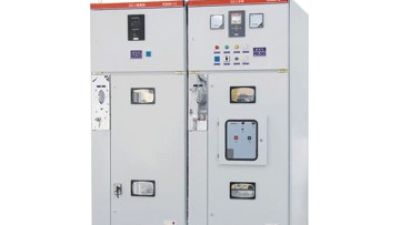
Innovative Solutions for Power Management: Unveiling the XGN66-12 Indoor Box-Type Fixed Metal-Enclosed Switchgear
The XGN66-12 indoor box-type fixed metal-enclosed switchgear represents a significant advancement in power management solutions for various applications, particularly in indoor environments. Designed for use with three-phase AC systems operating at voltages of 3.6-12KV and a frequency of 50Hz, this innovative switchgear offers a robust solution for electric energy distribution. Its high-level segmentation capabilities allow for seamless integration into power plants, substations, and industrial complexes, facilitating efficient energy control while ensuring safety measures are in place.
This type of switchgear not only emphasizes safety with its enclosed design but also enhances operational efficiency through its built-in functions for circuit control, protection, and monitoring. By incorporating advanced technologies, it aligns with the industry's shift towards smarter energy management solutions. According to recent industry reports, the demand for such modular switchgear systems is growing, driven by the increasing need for reliable and safe electrical distribution in high-rise buildings and urban infrastructures.
Moreover, the adaptability of the XGN66-12 switchgear allows it to be paired effectively with ring network cabinets, making it a versatile choice for switch stations. As businesses and utilities seek to modernize their facilities and improve energy resilience, solutions like the XGN66-12 are vital for meeting the challenges posed by evolving electrical demands.
FAQS
: Product types differ in features and target audiences. Each serves distinct needs and preferences.
Assess your needs carefully. Consider factors like functionality, design, and user reviews for guidance.
Most retailers allow returns within a certain period. Check the return policy for specific details.
Many products come with a warranty. It’s crucial to read the warranty information before purchasing.
Regular cleaning and proper storage are essential. Following care instructions extends the product’s lifespan.
Pricing is influenced by materials, brand reputation, and market demand. Higher prices don’t always mean better quality.
Conclusion
The 2026 forecast for the custom switchgear components industry highlights significant trends in market size and growth, indicating a robust demand for cost-effective solutions. Key innovations are expected to drive low-cost custom switchgear options, with advancements in IoT and automation playing a crucial role in enhancing efficiency and functionality. Major players within the industry are poised to capture considerable market shares, responding to shifting consumer preferences that favor economical and effective switchgear components.
Sustainability is also a critical focus, with increased use of eco-friendly materials in manufacturing processes. Furthermore, regulatory changes regarding compliance standards will influence production practices, ensuring that affordability does not compromise quality or environmental responsibility. As the industry evolves, the interplay of these factors will shape the landscape of custom switchgear components, positioning it for significant growth in the coming years.