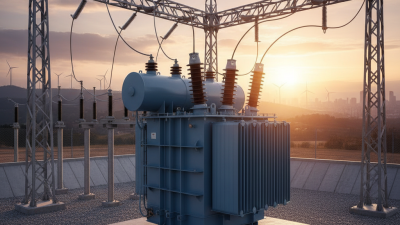
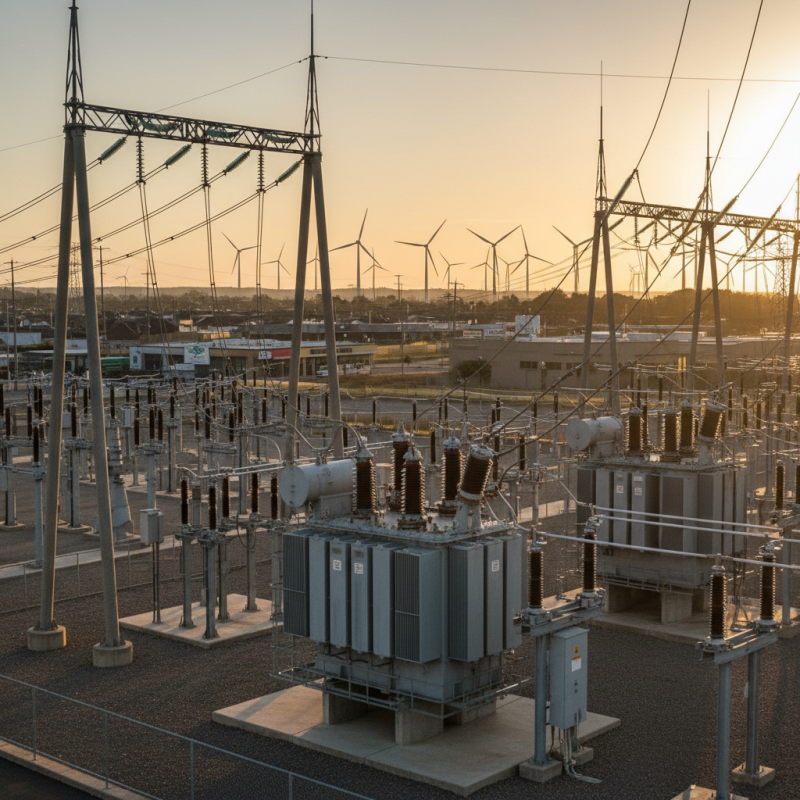
When it comes to distributing power efficiently, Distribution Transformers are pretty much the unsung heroes. As electrical systems get more and more complicated, you really can’t overlook how important these little guys are. They do the essential job of stepping down the insanely high voltages from power lines into a level that's safe and usable for our homes and businesses. Dr. Emily Carter, a well-known expert in the field, once said, 'Distribution transformers are the backbone of our power network; without them, delivering electricity would be a total mess — unreliable and inefficient.'
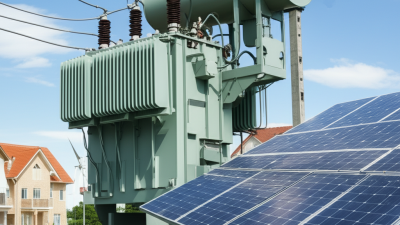
And it’s not just about saving energy — these transformers also help keep our power grids more reliable and make it easier to incorporate renewable energy sources. In today’s world, where everyone’s pushing for cleaner energy, the flexibility of distribution transformers really comes into play. They make sure different kinds of energy sources reach consumers smoothly, which is a big step toward being more sustainable and kind to the environment.
As society keeps evolving and our demand for efficient energy solutions grows, these transformers aren’t just small parts of the bigger electrical system — they’re key players in building a sustainable, future-proof energy setup. Knowing how important they are is the first move toward making our power systems stronger and more efficient for generations ahead.
Definition and Function of Distribution Transformers
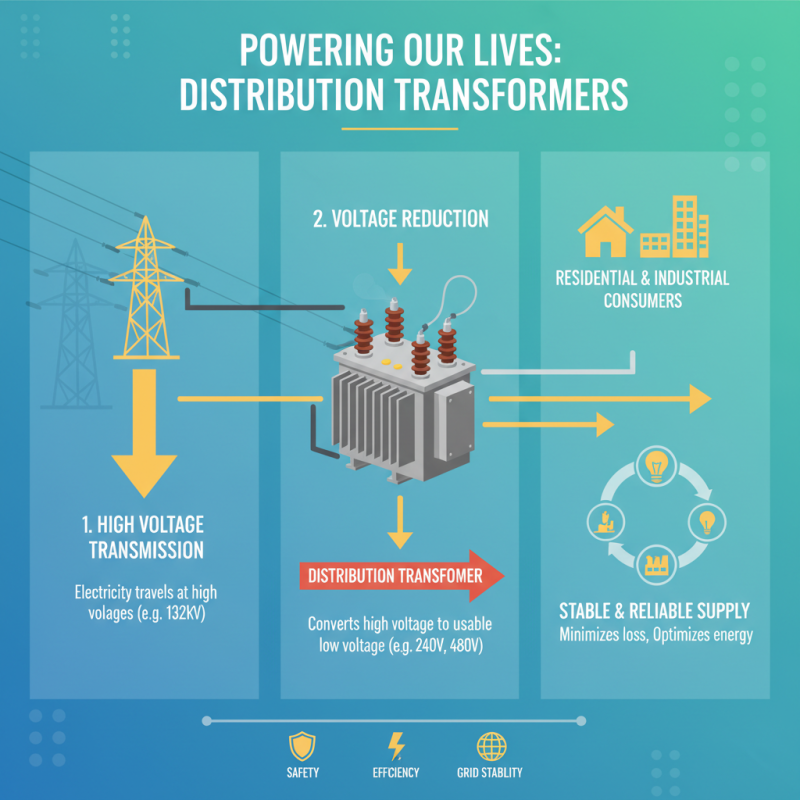
Distribution transformers play a crucial role in the electrical power distribution system, serving as the link between high-voltage transmission lines and the lower voltage levels required for consumers. These transformers function by stepping down the voltage from the transmission system, making it safe and suitable for residential, commercial, and industrial use. Typically located near distribution substations or residential areas, distribution transformers are designed to convert electricity at high voltages, typically ranging from 4 kV to 34.5 kV, down to the standard voltages used in homes and businesses, usually 120/240 volts or 277/480 volts.
In addition to voltage reduction, distribution transformers also provide impedance which helps manage the flow of electrical energy in the grid. They play a vital role in ensuring that electricity is delivered reliably and efficiently to end-users, minimizing energy losses during transmission. Distribution transformers are engineered to handle varying loads and help improve the overall stability and quality of the electricity supply. Their efficient operation not only contributes to energy conservation but also supports the integration of renewable energy sources into the distribution network, enhancing the sustainability of power distribution systems.
The Role of Distribution Transformers in Power Distribution Networks
Distribution transformers play a crucial role in the power distribution networks that deliver electricity from high-voltage transmission lines to residential and industrial consumers. These transformers step down the voltage levels to usable levels, ensuring safety and efficiency in the distribution process. Their strategic placement within the network allows for the effective management of electrical supply, minimizing losses and optimizing energy flow. By transforming high-voltage electricity into lower voltages, distribution transformers help maintain a stable and reliable power supply that meets the varying demands of consumers.
Moreover, distribution transformers contribute to the overall efficiency of power distribution systems by enhancing grid resilience and reducing outage risks. They are designed to handle fluctuating loads, which can occur due to shifts in consumer demand throughout the day. Additionally, their compact designs and flexibility in installation make it easier to integrate them into existing power networks, thus enabling smarter energy management practices. Overall, these transformers are indispensable for ensuring that electricity reaches end-users safely, effectively, and in a cost-efficient manner, reinforcing their importance in modern power distribution infrastructures.
Benefits of Using Distribution Transformers for Energy Efficiency
Distribution transformers play a pivotal role in enhancing energy efficiency throughout power distribution networks. By stepping down high-voltage electricity from transmission lines to a usable voltage for residential and commercial consumption, these transformers minimize energy loss during the transmission process. This reduced loss not only results in lower operational costs for utility companies but also enhances the reliability and quality of power supplied to end-users.
Moreover, distribution transformers contribute to a more balanced load management, ensuring that electricity is distributed evenly across the grid. This balance is crucial for preventing overloading in specific areas, which can lead to outages or reduced service quality. With regulated voltage levels, transformers help in protecting sensitive electrical equipment from voltage surges and fluctuations, thereby extending the lifespan of appliances and reducing maintenance costs for consumers. Ultimately, the integration of efficient distribution transformers into power systems is essential for promoting sustainable energy practices and reducing environmental impact.
Why Are Distribution Transformers Essential for Efficient Power Distribution? - Benefits of Using Distribution Transformers for Energy Efficiency
| Dimension | Description | Impact on Energy Efficiency |
| Voltage Regulation | Maintains stable voltage levels for optimal power delivery. | Reduces energy losses and enhances reliability. |
| Load Balancing | Distributes electric load evenly across phases. | Improves capacity utilization and reduces overheating. |
| Loss Reduction | Minimizes energy losses inherent in power transformation. | Enhances overall energy efficiency in distribution networks. |
| Material Quality | Use of high-quality core and windings for reduced losses. | Supports longer lifespan and better performance. |
| Maintenance | Regular upkeep to ensure operational efficiency. | Prevents unexpected downtime and energy wastage. |
Technical Specifications and Design Considerations
Distribution transformers play a crucial role in the power distribution network, ensuring the efficient delivery of electricity from substations to end-users. When considering the technical specifications of these transformers, factors such as voltage ratings, capacity, and insulation types are paramount. According to the International Electrotechnical Commission (IEC), distribution transformers typically operate within a voltage range of 1 kV to 36 kV, optimized for various geographical and load conditions. The most commonly used configurations are single-phase and Three-Phase Transformers, where three-phase designs cater to industrial applications due to their higher power demand and efficiency.
Design considerations also include thermal performance and losses. The IEEE Standards Association emphasizes that core and copper losses should be minimized to enhance efficiency. Modern distribution transformers often incorporate amorphous steel in their core construction, which can reduce no-load losses by up to 70% compared to traditional silicon steel cores. Furthermore, the transformer’s design must accommodate various environmental factors, including temperature fluctuations and potential physical impacts, which directly impact the longevity and reliability of the unit. Implementing smart grid technologies also allows for better monitoring and maintenance of transformers, enhancing their operational efficiency and sustainability.
Common Applications of Distribution Transformers in Urban Areas
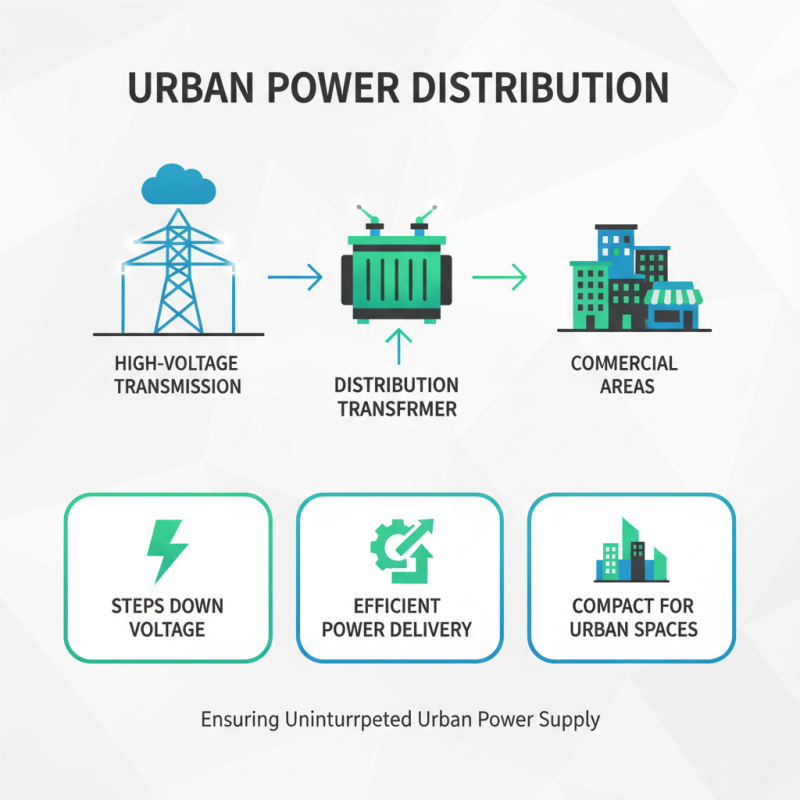
Distribution transformers play a vital role in the electrical infrastructure of urban areas, ensuring that power is delivered efficiently from high-voltage transmission lines to lower-voltage distribution systems. These transformers are strategically located close to residential and commercial areas, where they step down voltage levels to make electricity usable for everyday needs. Their compact design allows for installation in limited urban spaces, making them crucial for maintaining an uninterrupted power supply in densely populated settings.
Common applications of distribution transformers in urban environments include their use in residential neighborhoods, commercial buildings, and public facilities. In residential areas, these transformers provide the necessary voltage to power homes safely and effectively. In commercial settings, they support the operations of businesses by supplying adequate power for lighting, heating, and machinery. Additionally, public infrastructure like streetlights, traffic signals, and transit systems rely on distribution transformers to ensure consistent functionality. As cities expand and evolve, the adaptability of distribution transformers to meet changing power demands remains essential for sustainable urban development.
Challenges and Maintenance of Distribution Transformers
Distribution transformers play a crucial role in the electrical grid by stepping down high voltage electricity from substations to levels suitable for residential and commercial use. However, they face several challenges that can impact their efficiency and longevity. A key concern is the aging infrastructure; according to the U.S. Department of Energy, about 70% of distribution transformers in operation today are over 25 years old, raising the risk of failure due to wear and tear. Additionally, environmental factors such as moisture, temperature fluctuations, and pollutants can adversely affect their performance, leading to increased maintenance costs and downtime.
Maintenance is essential to ensure the reliability and efficiency of distribution transformers. Regular inspections and condition monitoring can help detect potential issues before they escalate into major failures. A report from the IEEE Power and Energy Society highlights that effective maintenance practices can reduce unexpected outages by up to 50%. Technologies such as dissolved gas analysis (DGA) and infrared thermography are instrumental in predicting transformer failures and extending their operational life. By investing in maintaining and upgrading distribution transformers, utilities can not only enhance their performance but also contribute to a more stable and resilient power distribution network.
Challenges and Maintenance of Distribution Transformers
Future Trends in Distribution Transformer Technology and Usage
As the demand for electricity continues to soar, innovative advancements in distribution transformer technology are becoming pivotal in ensuring efficient power distribution. The integration of smart grid technology is one of the most significant trends shaping the future of distribution transformers. These transformers are equipped with sensors and automated systems that monitor performance in real-time. By enabling remote diagnostics and load management, utility providers can optimize their networks, reducing operational costs and improving reliability.
Another emerging trend is the shift towards environmentally friendly materials and designs. Modern distribution transformers are increasingly being manufactured with sustainable materials to minimize their ecological impact. This not only helps in compliance with stringent regulations but also appeals to the growing consumer base that values sustainability. Additionally, innovative cooling techniques, such as natural ester fluids, are being adopted to enhance efficiency and safety while prolonging the lifespan of transformers.
Tip: When considering upgrades to power distribution systems, keep an eye on manufacturers who prioritize innovative and eco-friendly technologies. Such choices can lead to long-term cost savings and improved performance. Furthermore, regular maintenance and monitoring can ensure that your transformers are operating at peak efficiency, reducing downtime and operational headaches.
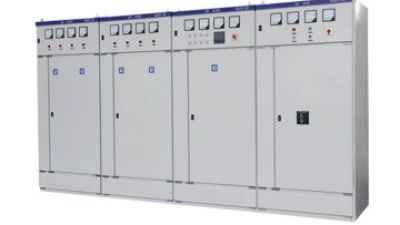
Enhancing Power Efficiency: Insights from Industry Reports on GGD AC Low Voltage Distribution Cabinets and Their Impact on Modern Electrical Systems
The GGD AC low voltage distribution cabinet plays a crucial role in modern electrical systems, offering a safe and efficient means of power management. Designed specifically for industrial and commercial applications, these cabinets house various electrical components and facilitate low voltage power distribution. Their importance cannot be overstated, as they contribute significantly to the overall reliability and performance of power distribution networks.
One of the critical factors influencing the effectiveness of the GGD AC low voltage distribution cabinet is ambient temperature. It is essential to maintain the operating temperature within a specific range, ideally between -5℃ and +40℃, to ensure optimal performance. Excessive heat can compromise the functionality of electrical components and lead to potential failures, while low temperatures may hinder operation efficiency. By monitoring and managing the temperature environment under which these cabinets operate, industries can enhance power efficiency and ensure consistent performance in their electrical systems.
Moreover, integrating advanced technologies within the GGD AC low voltage distribution cabinets can further improve power management. Features such as smart monitoring and control systems can provide real-time data on energy consumption, allowing for better decision-making and energy efficiency. As industries strive to enhance their electrical systems, the GGD cabinets emerge as a vital element, ensuring that power distribution is not only safe but also supports the growing demands for energy savings and sustainability.
FAQS
: Distribution transformers step down high-voltage electricity from transmission lines to a usable voltage for residential and commercial consumption, minimizing energy loss during transmission.
By reducing energy loss, distribution transformers help lower operational costs for utility companies while enhancing the reliability and quality of power supplied to end-users.
Distribution transformers ensure that electricity is distributed evenly across the grid, preventing overloading in specific areas, which can lead to outages or reduced service quality.
Regulated voltage levels protect sensitive electrical equipment from voltage surges and fluctuations, extending the lifespan of appliances and reducing maintenance costs for consumers.
Distribution transformers are strategically installed close to residential and commercial areas to step down voltage levels, making electricity usable for daily needs.
Distribution transformers are used in residential neighborhoods, commercial buildings, and public facilities such as streetlights and traffic signals, ensuring a consistent power supply.
Key challenges include aging infrastructure, with many transformers over 25 years old, and environmental factors like moisture and temperature fluctuations that can affect their performance.
Regular maintenance helps ensure the reliability and efficiency of transformers, detecting potential issues before they lead to major failures and reducing unexpected outages significantly.
Technologies such as dissolved gas analysis (DGA) and infrared thermography are used to predict transformer failures and help extend their operational life.
Investing in maintenance and upgrades can enhance transformer performance, leading to a more stable and resilient power distribution network.
Conclusion
Distribution transformers play a crucial role in the efficient distribution of electrical power across networks, serving as the link between high-voltage transmission lines and low-voltage power consumers. Their primary function is to step down voltage levels, ensuring that electricity is available at safe and usable voltages for residential, commercial, and industrial applications.
The benefits of using distribution transformers extend beyond voltage regulation; they contribute significantly to energy efficiency, reducing losses during transmission and enhancing overall system reliability. Technical specifications such as size, capacity, and design considerations are vital to ensuring optimal performance in various urban applications. However, challenges such as maintenance and technological advancements must be addressed to maximize the effectiveness of distribution transformers, especially as the industry evolves towards smarter and more sustainable energy solutions.