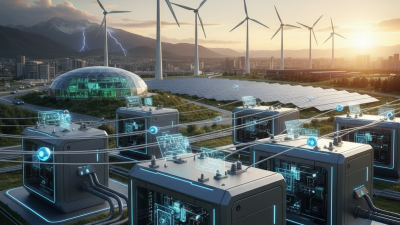
You can check out Gas Insulated Substations (GIS) [here](https://www.cnvcb.com/gas-insulated-substations). They really represent some pretty big leaps forward in the world of electrical engineering. I remember Dr. Emily Johnson from Energy Solutions Inc. mentioning how GIS offers safety and efficiency perks that traditional setups just can’t keep up with. That’s honestly what makes GIS so exciting right now, especially as more and more utilities start switching over to these modern systems.
One of the coolest things about GIS is that they take up less space—huge plus if you're working in tight urban spots—and they’re super reliable too. Plus, their design helps protect against weather and environmental issues, which is a big deal when it comes to keeping energy sustainable. Of course, not everyone’s totally sold on it yet—some folks point out the higher upfront costs and worry about what the public might think.
Moving toward Gas Insulated Substations feels like a big step in updating our energy infrastructure. But it’s important to weigh both the good and the not-so-good sides of the story. Making this switch isn’t just about technology; it’s about having open conversations and constantly pushing forward with new ideas. As we dig into this topic, it’s worth thinking about how we can best navigate the changes coming our way in this evolving energy landscape.
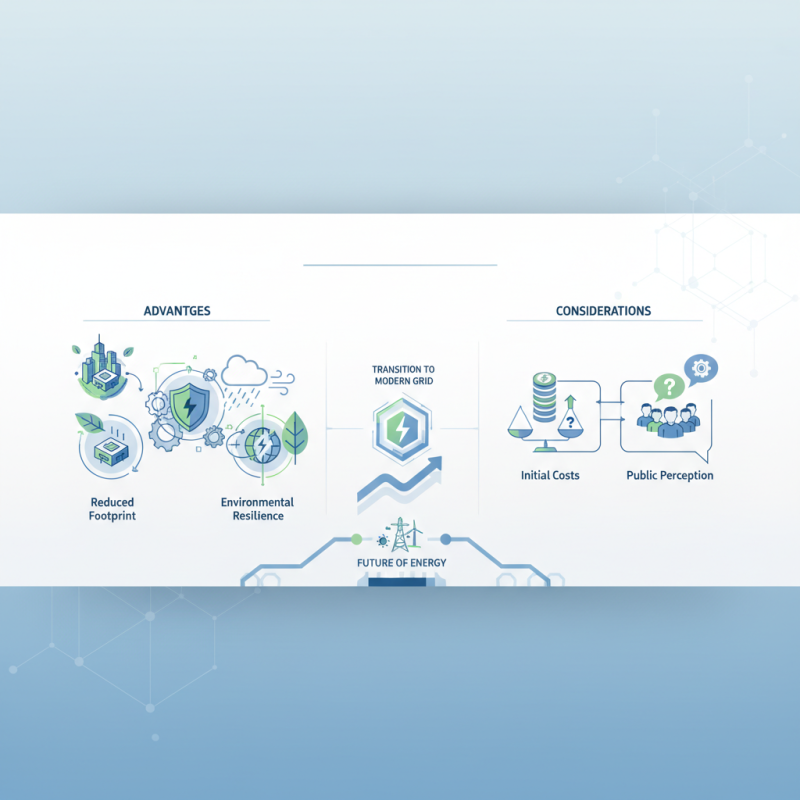
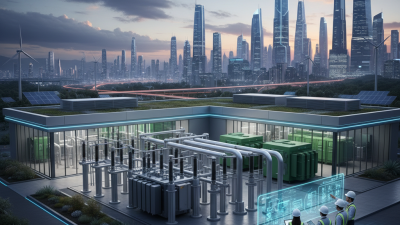
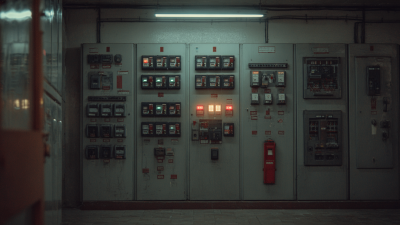
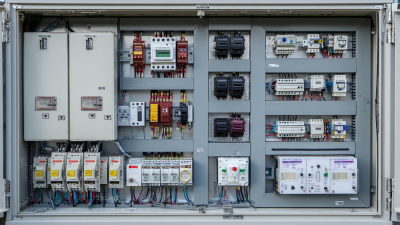
Gas Insulated Substations (GIS) have become increasingly popular in modern electrical systems. Their design incorporates advanced technology, making them compact and efficient. They utilize gas-insulated switchgear (GIS) for better performance. This switchgear is vital for maintaining the integrity of the electrical grid.
One key advantage of GIS is its ability to save space. Traditional substations require extensive land use. In contrast, GIS can operate in smaller footprints. This compact design is especially useful in urban areas, where space is limited. Additionally, GIS provides enhanced safety features. It minimizes the risk of faults due to its enclosed design. However, the initial installation costs can be high. Some wonder if the long-term benefits justify the expense.
Another aspect to consider is maintenance. GIS systems generally require less upkeep. They are more resilient to environmental factors. Yet, when maintenance is needed, it might involve specialized skills. This can lead to delays if skilled personnel are not available. Thus, while the benefits of GIS systems are clear, some challenges require reflection. Adapting to this technology means weighing costs against advantages in real-world applications.
This chart illustrates the key advantages of Gas Insulated Substations (GIS) compared to traditional air insulated substations (AIS). The data highlights the efficiency, footprint, safety, and maintenance benefits of GIS technology.
Gas insulated substations (GIS) are transforming the landscape of electrical distribution. These systems use SF6 gas to insulate key components, offering distinct advantages over traditional substations. One notable benefit is their compact size. GIS can fit into smaller footprints, making them perfect for urban environments where space is limited.
In addition to space efficiency, gas insulated substations require less maintenance. The sealed environment minimizes exposure to weather elements. This reduces the likelihood of failures and operational downtimes. However, it’s crucial to note that dealing with SF6 gas requires careful handling due to its impact on the environment. This poses a challenge for technicians and operators who must adhere to safety protocols.
Furthermore, GIS can perform effectively in extreme conditions. They continue to operate efficiently in harsh climates, where conventional substations might struggle. Yet, the complexity of GIS technology can sometimes lead to unexpected issues, demanding ongoing training and adaptation from staff. Balancing the advantages with these challenges is essential for a successful installation.
Gas Insulated Substations (GIS) are becoming the go-to choice for many utilities. One key advantage is their space efficiency. Traditional substations require large plots of land due to extensive equipment and safety protocols. GIS, on the other hand, condense this machinery into a much smaller footprint. They can fit more functions in a tighter space, which can be a game-changer in urban areas where land is scarce.
In cities, where every square meter counts, the compact design of GIS allows for innovative solutions. These substations can be built underground or incorporated into existing buildings. This flexibility protects valuable real estate. It might feel like a luxury, but utilizing space wisely is crucial for sustainable development. Urban planners often struggle with balancing infrastructure needs and property values. GIS can mitigate some of these tensions but also raises questions about maintenance access.
The technology does come with trade-offs. While GIS offers space savings, they may require specialized knowledge for upkeep. This could lead to challenges in workforce training. Additionally, the initial installation cost is typically higher than traditional substations. Finding this balance between real estate efficiency and operational practicality can provoke thoughtful discussions in the engineering community.
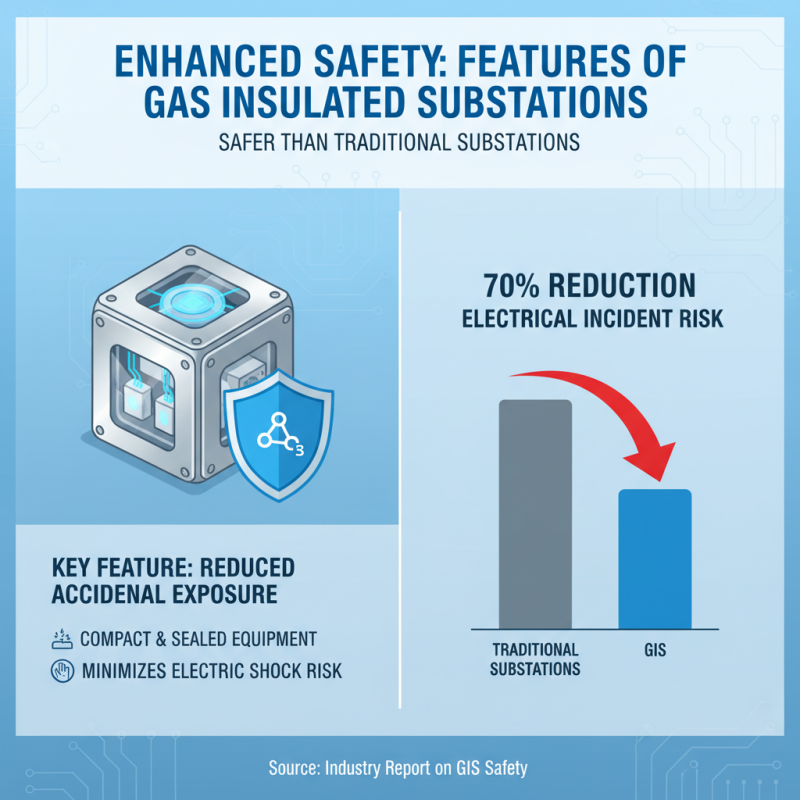
Gas Insulated Substations (GIS) offer notable safety enhancements compared to traditional substations. One key feature is their reduced risk of accidental exposure. GIS equipment is compact and housed within sealed containers filled with gas, which minimizes the chance of electric shock. According to a report, the risk of electrical incidents in GIS is reduced by up to 70% compared to outdoor substations.
Another critical aspect is their resilience to environmental factors. GIS can operate effectively in harsh conditions, such as extreme temperatures or high humidity. This reliability is vital for maintaining power supply stability. In fact, data shows that GIS can operate in environments with temperatures ranging from -50°C to 50°C. In urban areas, these substations often occupy less space, which also limits potential hazards to the public.
However, it's important to acknowledge some challenges with GIS. The initial installation cost can be higher than conventional systems. Maintenance requires specialized skills, which may impact overall expenses. The use of 33kv Gas Insulated Switchgear requires rigorous training for staff to ensure safe operation. While GIS technology presents advantages, continuous evaluation and improvement are necessary to address these complexities.
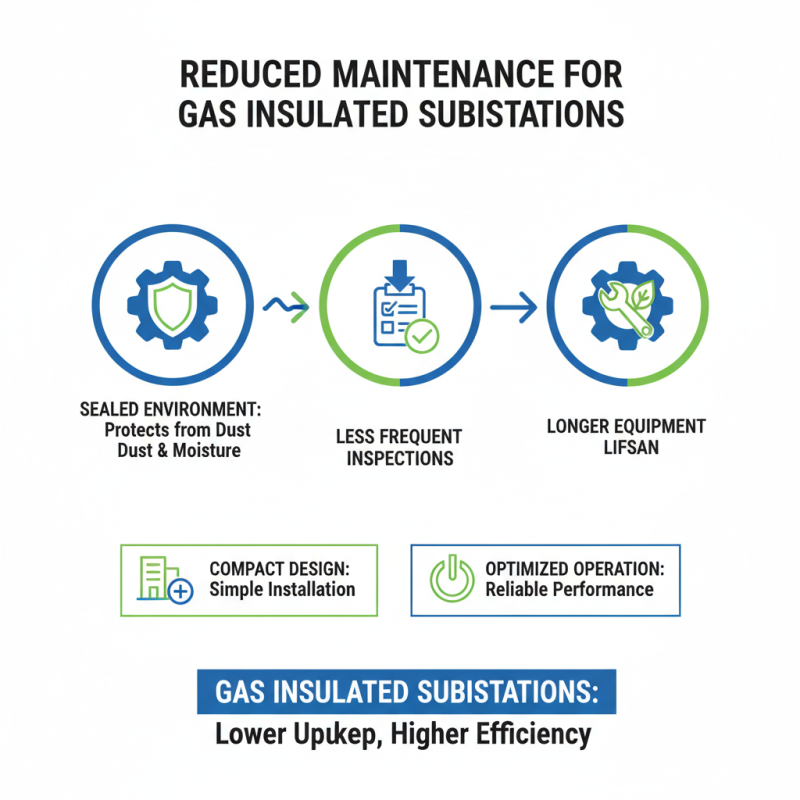
Gas insulated substations (GIS) offer significant advantages in terms of maintenance. These systems require less routine servicing compared to traditional substations. The sealed environment protects equipment from dust and moisture. This feature alone reduces the frequency of inspections. Moreover, the compact design minimizes space and simplifies installation. Operating conditions also play a role in lowering maintenance needs.
However, it’s essential to consider the challenges involved. While gas insulated substations, especially the 33kv Gas Insulated Substation, demand less upkeep, technicians still require training. The specialized nature of GIS technology means not all workers can perform repairs or assessments effectively. This limitation could extend downtime during issues.
Additionally, despite lower maintenance needs, the initial costs can be higher. The materials used can be more expensive than standard options. It raises questions about budget allocations for projects. The balance between investment and long-term benefit remains a topic of discussion. Maintenance, while reduced, should not be overlooked in planning and operations.
Gas insulated substations (GIS) are known for their advanced durability. They can withstand harsh environments. This makes them a strong choice for many energy projects. The use of gas, instead of air, for insulation offers several benefits. One major advantage is their longer lifespan compared to traditional substations. Many GIS installations last over 30 years.
The durability of gas insulated technology comes from its design. Components are sealed and protected from external elements. This reduces the risk of wear and tear. Corrosion is also less of a concern. However, this does not mean they are flawless. Some maintenance challenges can arise. It is crucial to monitor and address these issues promptly.
Longer lifespan does imply lower replacement costs. Yet, initial investments could be higher. Making informed decisions requires careful analysis. Understanding local conditions and potential challenges is vital. Gas insulated substations can provide many advantages, but their effectiveness relies heavily on proper implementation and maintenance.
Gas insulated substations (GIS) offer significant environmental advantages, especially in urban areas. They require less land compared to traditional substations. This is crucial in densely populated cities where space is limited. According to a report by the International Council on Large Electric Systems (CIGRÉ), GIS can reduce land use by up to 70%. Such efficiency is essential where urban sprawl is an ongoing challenge.
Moreover, GIS technology minimizes air pollution. Traditional substations often need oil-filled equipment that can leak and cause contamination. In contrast, GIS uses gas as an insulating medium, reducing the risk of spills. A study from the U.S. Department of Energy highlights that GIS can lower greenhouse gas emissions by 25% in comparison to conventional setups. This lowering of emissions is vital as cities strive to meet ambitious climate goals.
Noise pollution is another concern in urban environments. Gas insulated substations operate at much lower sound levels. According to research from the European Commission, GIS can cut noise by more than 20 dB compared to traditional solutions. While these benefits are appealing, challenges remain. The high initial costs and complex maintenance requirements of GIS may deter some municipalities. Balancing the environmental benefits with economic feasibility is essential for future projects.
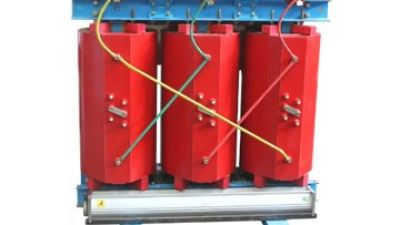
The introduction of three-phase epoxy-resin dry-type transformers marks a significant advancement in power distribution systems, providing a robust and efficient solution that meets the growing demands for reliable energy transmission. These transformers are engineered to adhere to stringent international and national standards, including IEC60076 and GB6450, ensuring their quality and performance in diverse applications. Notably, their design mitigates energy losses, thereby enhancing overall efficiency—a crucial factor given that energy theft and inefficiency can lead to substantial financial impacts on utilities and consumers alike.
One of the standout features of three-phase epoxy-resin dry-type transformers is their compact and lightweight structure. This not only enables easier installation and maintenance but also allows for optimal space utilization in facilities where real estate is at a premium. Coupled with excellent moisture resistance and robust mechanical durability, these transformers are well-suited for both indoor and outdoor environments. A recent report indicates that installations utilizing these transformers have demonstrated a significant reduction in noise emissions, a crucial consideration for urban areas where ambient sound levels are regulated.
Safety features, including fire-retardant properties and enhanced overload capacity, further underscore the transformative potential of these solutions in high-demand settings. With low partial discharge characteristics, these transformers provide an additional layer of reliability, making them ideal for facilities where continuity of service is paramount. In an era where energy efficiency and safety standards are increasingly prioritized, three-phase epoxy-resin dry-type transformers represent a forward-thinking approach to modern power distribution challenges.
: GIS is a compact electrical substation that uses gas for insulation, saving space in urban areas.
GIS condenses equipment into a smaller footprint, allowing for more functions in limited urban space.
Yes, GIS requires less routine servicing due to its sealed environment protecting against dust and moisture.
Technicians need specialized training to maintain GIS, which can limit effective repairs and extend downtime.
GIS reduces land use, lower air pollution, and cuts greenhouse gas emissions, making it eco-friendly for cities.
The initial installation costs can be higher than traditional substations, which might affect budget planning.
GIS operates at lower sound levels, reducing noise pollution by more than 20 dB compared to traditional options.
Efficient space use addresses infrastructure needs and protects property values in densely populated areas.
The complexity of maintenance could lead to increased downtime if technicians lack proper training.
Many struggle to balance high initial costs with the long-term environmental benefits when considering GIS projects.
Gas Insulated Substations (GIS) represent a significant advancement in electrical infrastructure, offering several key advantages over conventional substations. Their compact design results in exceptional space efficiency, allowing for significant savings in real estate, particularly in urban settings where land is at a premium. Moreover, GIS are equipped with enhanced safety features, reducing the risk of accidents and improving overall operational integrity.
Another advantage lies in their reduced maintenance requirements, which stems from the robust nature of the technology used in Gas Insulated Substations. They typically have a longer lifespan and greater durability compared to traditional types, resulting in lower long-term operational costs. Additionally, GIS provide environmental benefits by minimizing the land footprint and potential noise pollution, making them ideal for environmentally conscious development in densely populated areas. Overall, Gas Insulated Substations present a modern solution to urban electrical distribution challenges.