When you’re dealing with electrical systems, it’s pretty important to get a good handle on different kinds of Switchgear Equipment. These devices are really the unsung heroes—they protect circuits and keep power running smoothly. Honestly, most folks don’t really think about how crucial they are until something goes wrong and they’re faced with a headache.
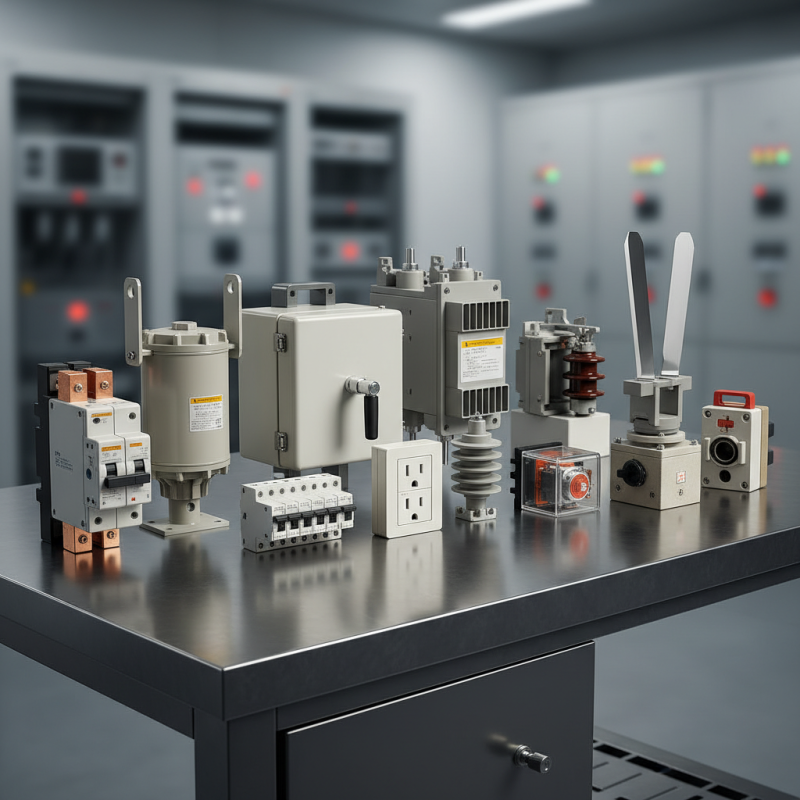
There’s quite a variety out there, each made for specific jobs. For example, circuit breakers, reclosers, and Load Break Switches all serve their own unique purpose. Knowing what each one does can actually help you keep things running more efficiently.
Ignoring how important this gear is can cost a lot in downtime, and picking the wrong type can mean inefficiency, too. In this list of the top ten types of Switchgear Equipment, we’ll talk about not just their pros but also some of the potential snags you might run into. At the end of the day, managing power well really comes down to making smart, informed choices. It’s all about knowing what you need and choosing the right tools for the job.
Top 10 Switchgear Equipment Types You Should Know About
Switchgear equipment plays a crucial role in electrical systems. Understanding its types can improve safety and efficiency. There are various types of switchgear, each designed for specific applications. From circuit breakers to disconnect switches, knowing these differences is essential.
For instance, medium-voltage switchgear is commonly used in industrial settings. It protects equipment and ensures reliable operation. On the other hand, Low-Voltage Switchgear is prevalent in residential applications. It manages electrical circuits effectively. This distinction is vital for choosing the right type for your needs.
Tips: When selecting switchgear, consider the voltage level and application requirements. Proper sizing ensures optimal performance. Always consult with professionals to assess your specific situation. Understanding protection settings is key to maintaining safety. Regular inspections can prevent failures, which leads to costly downtime.
The Importance of Switchgear in Electrical Distribution Systems
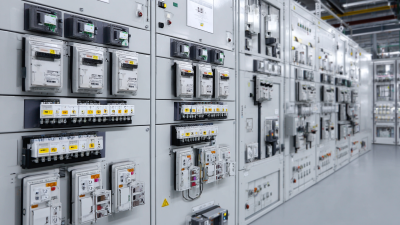
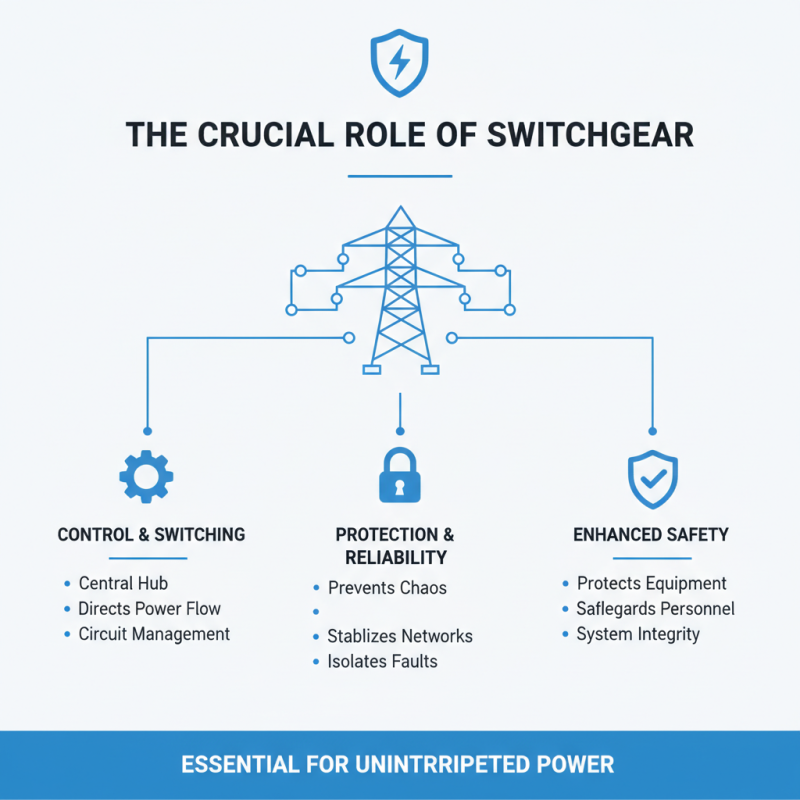
Switchgear plays a crucial role in electrical distribution systems. It acts as a central hub for controlling, protecting, and switching electrical circuits. Without it, our power supply could become chaotic. Proper switchgear ensures the stability and reliability of electrical networks. It also enhances safety by isolating faulty equipment.
Tips: Regular maintenance is essential. Inspecting switchgear can prevent unexpected failures. Also, ensure that the environment around the switchgear is clean and free of debris. This simple step can enhance its longevity.
Many facilities overlook the significance of switchgear types. Understanding them is vital for effective operation. Different types serve unique functions. For instance, air-insulated switchgear is popular in urban areas. Meanwhile, gas-insulated switchgear is used in limited spaces. Recognizing these differences helps in making informed decisions.
Tips: Training staff on switchgear operations can mitigate risks. Knowledgeable personnel can detect issues early. This proactive approach minimizes downtime and enhances efficiency. Always keep documentation of inspections and repairs. It aids troubleshooting and future planning.
Circuit Breakers: Types, Functions, and Market Share Statistics
Circuit breakers play a crucial role in electrical systems. They protect circuits from overloads and short circuits. Their efficiency is vital for safety and equipment longevity. The global market for circuit breakers was valued at approximately $17 billion in 2022. Projections indicate it could reach $25 billion by 2028, reflecting growing demand in various sectors.
Circuit breakers come in several types: miniature, molded case, and air-insulated. Each serves specific functions. For example, miniature circuit breakers are common in residential settings. Molded case breakers are used in commercial applications. Air-insulated circuit breakers are suited for high-voltage environments. However, some older installations still use antiquated types. This reliance can lead to inefficiencies and safety risks.
Market share statistics reveal declining use of older circuit breaker technologies. They now hold less than 10% of the market. In contrast, newer technologies are gaining ground, especially in renewable energy applications. Yet, many industries still struggle with outdated systems. The shift to more modern solutions is slow but vital. Keeping up with advancements is essential for safety and efficiency.
Disconnect Switches: Operational Role and Safety Significance
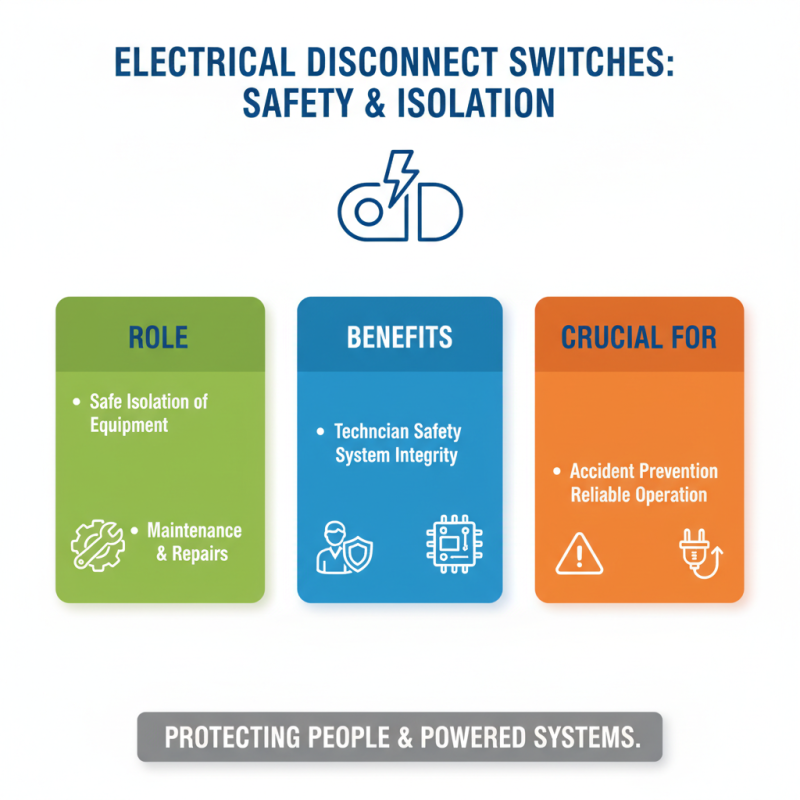
Disconnect switches play a vital role in electrical systems. They allow for safe isolation of equipment during maintenance. This ensures both the safety of technicians and the integrity of the system. Proper use is crucial for avoiding accidents.
When installing disconnect switches, consider their location. Ensure they are easily accessible for operators. Regular inspections can help catch potential issues early. Communication is key among team members, especially in maintenance situations. Everyone should be aware of the switch’s status.
One tip for ensuring safety is to clearly label all disconnect switches. This avoids confusion and mistakes during operation. Another important detail is to regularly train staff. Familiarity with equipment promotes confidence and competence. Remember, neglecting these aspects can lead to dangerous situations. Maintaining a proactive approach is essential in handling Electrical Equipment Supplies Switchgear effectively.
Fuse Gear: Applications and Trends in the Power Industry
Fuse gear plays a critical role in the power industry. It serves as a protective device for circuits, preventing damage from overloads. Fuse gear is favored for its simple design and effectiveness in minimizing faults. In recent years, applications have surged in renewable energy installations and industrial settings. According to a recent report, the global fuse market is expected to grow by over 5% annually.
However, challenges do arise. Many plants still rely on outdated systems that don’t meet today’s standards. This inefficiency can lead to increased maintenance costs and safety risks. Additionally, the integration of new technologies often lacks adequate training. It can be alarming, considering the reliance on High-Voltage Electrical Equipment for critical operations.
Trends indicate a shift toward smarter grids and automation. This evolution pushes the need for upgraded fuse gear that can handle diverse loads. The importance of reliable fuse systems cannot be underestimated. They safeguard against failures and ensure operational stability. As the industry evolves, embracing innovation will be crucial to overcoming existing shortcomings.
Top 10 Switchgear Equipment Types in the Power Industry
Relays: Types and Impact on Modern Protection Schemes
Relays play a crucial role in modern protection schemes for electrical systems. These devices detect abnormalities in system conditions. They respond to issues like overloads and short circuits. Various types of relays exist, each designed for specific purposes. Electromechanical relays are one of the oldest types. They rely on mechanical components to operate, making them somewhat slower in response time.
Solid-state relays, on the other hand, have gained popularity. They offer faster switching times and better durability. Despite their advantages, they are not immune to faults. Overheating can occur, leading to failures. Digital relays can process complex algorithms. They provide advanced functionalities, such as communication capabilities. However, their complexity can create challenges for maintenance and troubleshooting.
The choice of relay can significantly impact system reliability. A poorly chosen relay may lead to system failures. Integrating relays thoughtfully can enhance overall protection schemes. Monitoring relays in real time improves the safety of electrical systems. Yet, many engineers overlook this essential aspect. Ensuring proper relay selection is vital for optimal performance.
Gas-insulated Switchgear (GIS): Advantages and Growth Projections
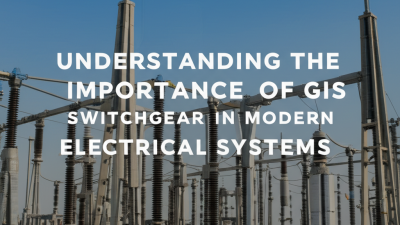
Gas-insulated switchgear (GIS) is gaining traction in the energy sector. This technology uses gas as an insulating medium. It offers a compact design and requires less space. According to a recent market research report, the GIS market is projected to grow at a CAGR of 7.5% through 2028. This growth is driven by increasing demand for reliable power distribution.
Advantages of GIS include greater safety and reduced maintenance costs. Unlike traditional air-insulated switchgear, GIS minimizes environmental impact. It can operate in harsh climates, which makes it versatile. However, initial installation costs can be higher. This might deter some smaller projects.
The growth of renewable energy sources is also influencing GIS adoption. Many utilities are integrating GIS to modernize their infrastructures. The ongoing transition to smart grids is another factor. These advancements highlight the need for technologies like Lv Switchgear. Despite the benefits, challenges remain, including high upfront investment and limited awareness. Overcoming these hurdles will be pivotal for future development in the switchgear industry.
Oil-insulated Switchgear: Benefits and Global Usage Data
Oil-insulated switchgear (OIS) plays a crucial role in modern electrical systems. This equipment uses oil for insulation and as an arc-extinguishing medium. It offers several benefits. OIS can operate effectively in smaller areas, which is vital for urban environments. According to a report by MarketsandMarkets, the global market for oil-insulated switchgear is expected to grow at a CAGR of 6.5% from 2021 to 2026.
The benefits also extend to maintenance and safety. OIS has a longer lifespan compared to air-insulated switchgear. Studies show that OIS requires less frequent maintenance, making it a cost-effective solution. However, challenges remain. Aging infrastructure and potential environmental impacts need attention. Operators must balance efficiency with ecological concerns.
**Tips:** When selecting switchgear, consider environmental factors. Assess both initial expenses and long-term savings. Always consult industry standards for installation practices. Being informed helps ensure a reliable power supply while minimizing risk.
Hybrid Switchgear: Innovations and Future Market Trends
Hybrid switchgear represents a significant advancement in electrical infrastructure. This technology combines air-insulated and gas-insulated switchgear, offering a compact solution. The adoption of hybrid switchgear is projected to grow at a CAGR of 7.5% until 2030, driven by the need for space-saving designs. Mv Switchgear within hybrid systems can handle higher capacities efficiently.
Investors are keen on hybrid solutions. The rising demand for renewable energy sources bolsters market growth. Hybrid switchgear enables quicker installation, resulting in reduced downtime. However, there are challenges. Implementation costs can be high. Companies must weigh upfront expenses against long-term savings.
Tips: When considering hybrid switchgear, evaluate compatibility with existing systems. Also, assess the maintenance needs. Some hybrid systems may require specialized training for personnel. Upskilling staff can enhance safety and operational efficiency. As the market evolves, staying updated with the latest trends and technologies is crucial. Embracing innovations can lead to a competitive edge.
Essential Insights on GGD Low Voltage Switchgear: Features, Benefits, and Applications in Modern Electrical Systems
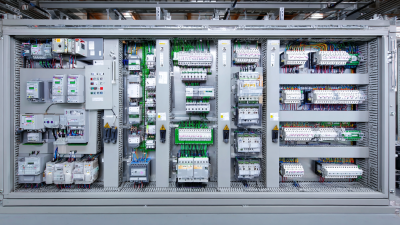
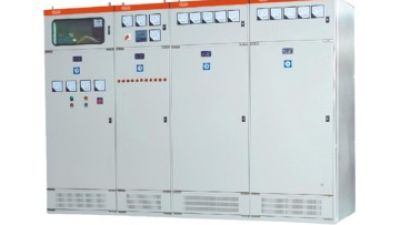
GGD low-voltage fixed switchgear plays a crucial role in modern electrical systems, particularly for power users such as power plants, substations, and industrial enterprises. Designed for power distribution with AC 50Hz and rated up to 380V, this switchgear efficiently facilitates power conversion, distribution, and control. With a rated current capacity of 3150A, it is ideal for managing electrical loads in a variety of applications including lighting and distribution equipment.
One of the key features of GGD switchgear is its high breaking capacity, which is complemented by a rated short-time withstand current of 50KA. This ensures reliable performance even under fault conditions, making it a suitable choice for environments where safety and uptime are critical. Furthermore, its flexible line scheme and novel structure provide practical solutions for diverse configurations and operational needs. Compliance with standards like GB7251 and IEC439 underscores its quality and reliability, marking it as a leading example of assembled and fixed panel switchgear in the industry.
In summary, GGD low-voltage switchgear stands out not only for its robust technical specifications but also for its practicality in real-world applications. As electrical systems continue to evolve, the need for adaptable and reliable power distribution solutions remains paramount, solidifying the importance of GGD switchgear in contemporary power management strategies.
FAQS
: It improves efficiency and saves time. Many users report a noticeable difference in performance.
Generally, it’s considered safe. However, individual reactions may vary, so monitor for any side effects.
Most people can use it. However, consult a professional if you have specific health concerns.
Keep it in a cool, dry place. Avoid direct sunlight to maintain its effectiveness.
Take it as soon as you remember. But if it’s close to the next dose, skip the missed one.
Some users report mild side effects. If they persist, consider reducing the dosage or seeking advice.
Results vary. Some notice changes within days, while others take weeks. Patience may be required.
Combining may be fine, but consult a healthcare provider for personalized advice.
Stop using the product immediately. Seek medical attention if symptoms are severe or concerning.
Many places offer return policies. Always check the specific terms before purchase.
Conclusion
The article "Top 10 Switchgear Equipment Types You Should Know About" provides a comprehensive overview of essential switchgear equipment used in electrical distribution systems. It highlights the critical role that switchgear plays in ensuring safe and reliable power delivery, covering various types such as circuit breakers, disconnect switches, and fuse gear. Each equipment type is discussed in terms of its functions, market trends, and significance within the power industry.
Additionally, the article explores advanced technologies like gas-insulated switchgear (GIS), oil-insulated switchgear, and hybrid switchgear, showcasing their advantages and evolving market projections. It emphasizes the importance of selecting the right switchgear equipment to enhance operational efficiency and safety in modern electrical networks. Overall, the piece underscores the pivotal role of switchgear equipment in the ongoing developments within the energy sector.