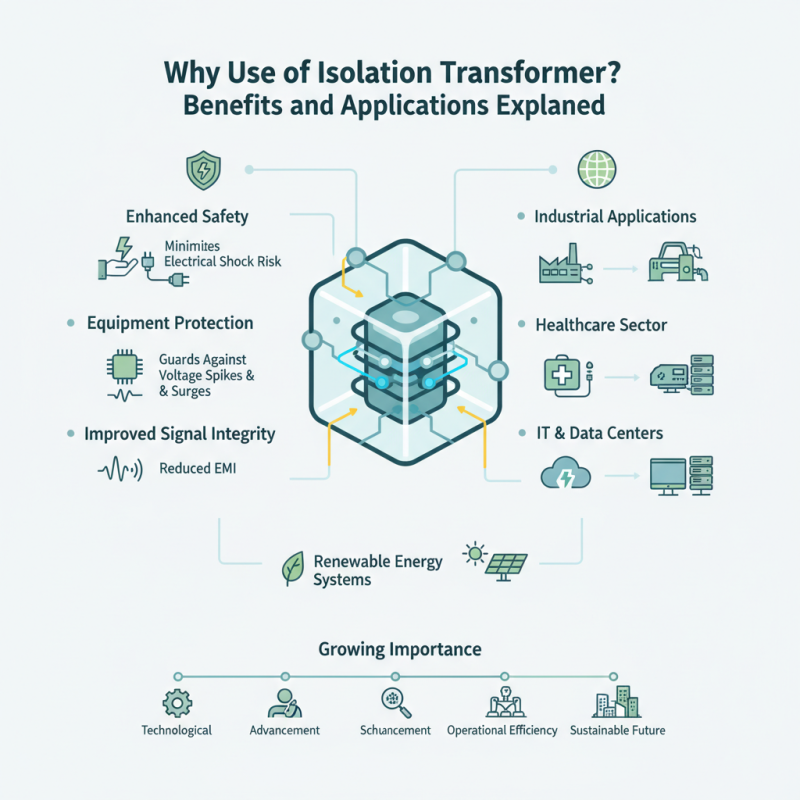
You know, isolated transformers are pretty essential when it comes to modern electrical setups. They do a lot to boost safety, keep things running smoothly, and improve overall performance. Basically, they’re designed to keep your sensitive devices separated from the main power source, which helps cut down the chances of getting shocked and shields delicate equipment from voltage spikes or surges. I came across a report from Markets and Markets that predicts the global market for power transformers is gonna hit around $28.2 billion by 2023. And guess what? Isolation Transformers are becoming a bigger deal across various fields—like healthcare, industrial work, and IT sectors.
But it’s not just about safety. These transformers also help with better signal quality and cut down electromagnetic interference (you know, all that pesky noise that messes with your electronics). A study from the Electric Power Research Institute (EPRI) points out that using isolated systems can really lower noise levels in sensitive electronic setups, which means better performance for communication and control systems. Plus, with everyone pushing for energy efficiency and greener solutions, these transformers are finding their way into renewable energy projects, making energy distribution cleaner and more reliable.
All in all, adding isolation transformers into electrical systems isn’t just a safety move—it makes everything run more efficiently and opens doors for the latest tech advancements. As industries keep evolving, these transformers are only going to become more important, so it’s good for professionals to really understand their benefits and how to use them effectively.
Understanding Isolation Transformers and Their Functionality
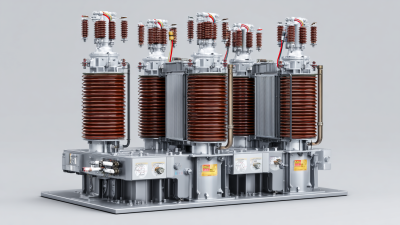
Isolation transformers play a crucial role in electrical systems by providing an effective means of separating circuits and enhancing safety. These devices are designed to isolate the primary circuit from the secondary circuit, which helps prevent electrical shocks and reduces the risk of equipment damage due to faults in the power supply. The functionality of an isolation transformer is based on electromagnetic induction, where the primary winding generates a magnetic field that induces a voltage in the secondary winding without any direct electrical connection.
In addition to safety benefits, isolation transformers offer substantial advantages in terms of signal integrity and noise reduction. By minimizing the grounding issues and eliminating common-mode noise, these transformers ensure cleaner power delivery to sensitive electronic equipment. This is particularly beneficial in applications involving audio and video equipment, medical devices, and industrial machinery, where even the slightest disturbance can lead to performance degradation. The use of isolation transformers contributes to more reliable and efficient operation across diverse settings, from hospitals to manufacturing facilities.
Key Benefits of Using Isolation Transformers in Electrical Systems
Isolation transformers play a crucial role in enhancing the safety and reliability of electrical systems. One of the key benefits of using these transformers is their ability to provide electrical isolation. This isolation helps mitigate the risk of electrical shock by separating the user from the high voltage of power sources. Additionally, isolation transformers can significantly reduce noise and interference in sensitive electronic equipment, leading to improved performance and longevity.
Another essential advantage is surge protection. These transformers can absorb surges caused by lightning or other disturbances, which helps safeguard connected devices from damage. Moreover, since isolation transformers can help balance loads, they contribute to an overall improvement in electrical efficiency, minimizing energy loss in systems.
Tips: When selecting an isolation transformer, ensure it has the right power rating and isolation voltage for your specific application. Regular maintenance checks can enhance the lifespan and effectiveness of the transformer. Additionally, consider integrating surge protection devices with the transformer for added safety and protection against unexpected voltage spikes.
Common Applications of Isolation Transformers in Various Industries
Isolation transformers are essential components utilized across various industries due to their ability to provide electrical isolation and enhance safety. In healthcare settings, for instance, they are commonly integrated into medical equipment to prevent electrical shock to patients. By isolating sensitive devices from the electrical supply, these transformers help ensure that any faults do not affect other equipment, thereby safeguarding both patient and staff well-being.
Another significant application of isolation transformers is in the manufacturing sector, where they protect industrial machinery from voltage spikes and electrical noise. This protection helps maintain the efficiency and longevity of equipment, ensuring uninterrupted production processes.
Additionally, in telecommunications, isolation transformers reduce electromagnetic interference, allowing for clearer signal transmission and improved system reliability. Through these applications, isolation transformers play a crucial role in enhancing safety and operational efficiency across multiple fields.
Isolation Transformers vs. Regular Transformers: A Comparative Analysis
Isolation transformers are essential components in electrical systems, providing unique benefits that set them apart from regular transformers. They serve to isolate electrical circuits while allowing power transmission, effectively reducing the risk of electric shock and protecting sensitive equipment from voltage spikes. According to the “Transformer Market Forecast” report by industry analysts, the demand for isolation transformers is projected to grow by 6.2% annually, highlighting their increasing relevance in applications across healthcare, telecommunications, and industrial manufacturing sectors.
In contrast to regular transformers, which primarily function to step up or step down voltage levels, isolation transformers focus on providing electrical separation between the input and output circuits. This feature becomes critical in environments that require stringent safety standards, such as hospitals, where medical devices need protection from electrical noise and interference. A study published in the “Journal of Electrical Engineering” indicated that utilizing isolation transformers could reduce equipment malfunction rates by up to 30%, illustrating their efficacy in enhancing operational reliability.
Moreover, isolation transformers offer improved electromagnetic compatibility (EMC), mitigating noise that can interfere with sensitive electronic devices. The “EMC in Power Systems” report emphasizes that systems using isolation transformers showed a 40% reduction in electromagnetic interference. Such statistics reaffirm the necessity of isolation transformers in protecting equipment and ensuring the integrity of power systems in diverse applications, marking their distinction from traditional transformers that do not provide such comprehensive protective features.
Isolation Transformer Benefits vs. Regular Transformer Benefits
This chart compares the benefits of Isolation Transformers against Regular Transformers across various dimensions. The percentage value indicates the effectiveness of each transformer type in providing specific benefits.
How Isolation Transformers Enhance Safety and Reduce Electrical Noise
Isolation transformers play a critical role in enhancing safety and reducing electrical noise in various applications. By separating the electrical supply from the connected device, these transformers provide a barrier that helps prevent electric shock, ensuring a safer working environment. The isolation process allows for a reduction in the risk of electrical fires and equipment damage due to short circuits, as well as minimizing exposure to hazardous voltages.
In addition to safety benefits, isolation transformers are highly effective in reducing electrical noise. Electrical noise can interfere with sensitive equipment, leading to performance degradation or malfunction. By utilizing an isolation transformer, the transfer of noise from the power supply to the device is significantly diminished. This is particularly important in environments such as laboratories, medical facilities, and audio production studios, where clean, noise-free electrical signals are crucial for optimal operation. Thus, isolation transformers serve as a vital component in ensuring both safety and the integrity of electrical systems.
Why Use an Isolation Transformer? Benefits and Applications Explained - How Isolation Transformers Enhance Safety and Reduce Electrical Noise
| Dimension | Data |
| Primary Use | Electrical Isolation |
| Key Benefit | Enhanced Safety |
| Application Fields | Medical Equipment, Data Centers, Audio Systems |
| Reduction of Noise | Yes |
| Typical Voltage Ratings | 120V, 240V |
| Weight Range | 5 kg - 50 kg |
| Cooling Type | Natural Convection |
| Efficiency Rating | Up to 98% |
Installation Considerations for Isolation Transformers in Complex Systems
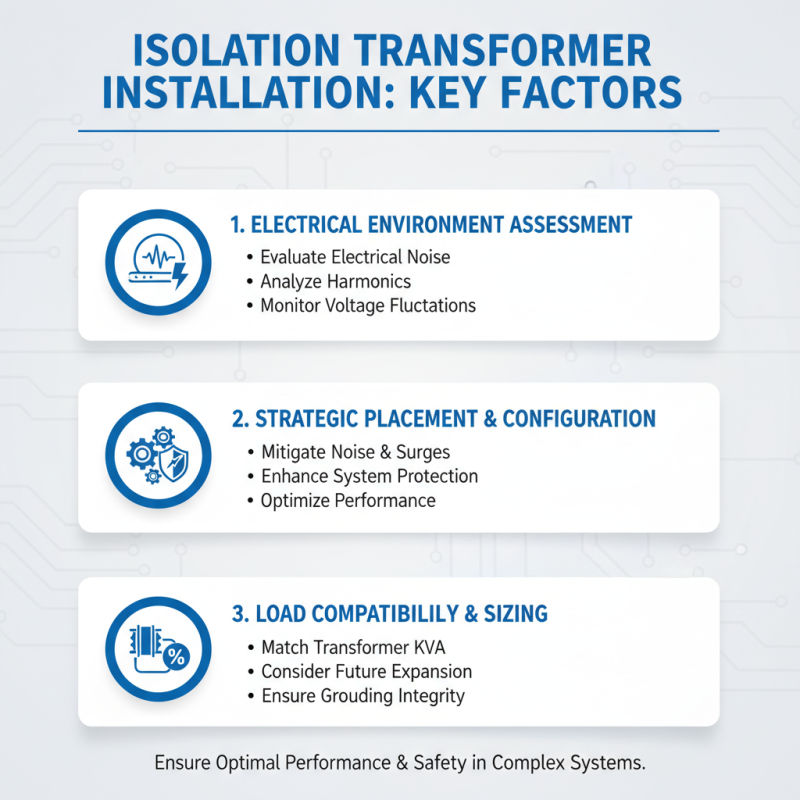
When considering the installation of isolation transformers in complex systems, several key factors must be taken into account to ensure optimal performance and safety. First, understanding the electrical environment is essential. This includes evaluating potential electrical noise, harmonics, and voltage fluctuations that may exist within the existing system. Isolation transformers are particularly effective in mitigating these issues, but their placement and configuration must be strategically planned to achieve the desired level of protection and performance.
Another critical consideration is the load requirements of the system. The transformer needs to be correctly sized to handle the maximum expected load while providing sufficient capacity for peak demands. Overloading an isolation transformer can lead to overheating and reduced lifespan, while undersizing can result in inadequate performance. Moreover, it’s important to assess the physical space available for installation, as well as accessibility for maintenance and inspection. Proper ventilation and clearance around the transformer should be established to prevent overheating and ensure efficient operation.
Lastly, installation should consider the overall system design, including grounding practices and safety standards. Effective grounding is paramount to the proper function of isolation transformers, as it helps to prevent hazardous conditions and protects both personnel and equipment. Adhering to local electrical codes and standards is necessary to avoid compliance issues and ensure the system operates reliably over time. All these factors combined will contribute to a successful implementation of isolation transformers in complex systems, enhancing both functionality and safety.
Maintenance and Troubleshooting Tips for Isolation Transformers
When it comes to maintaining isolation transformers, routine inspections are crucial to ensure their optimal performance and longevity. Regularly checking for signs of wear, such as frayed wires or loose connections, can prevent potential issues before they escalate. Additionally, monitoring the temperature of the transformer is essential; excessive heat can indicate an overload or a fault in the system. Keeping the transformer clean and free from dust and debris also contributes significantly to its efficiency and safety.
Troubleshooting isolation transformers requires a methodical approach. If a transformer is not operating correctly, the first step is to verify the input voltage to ensure it meets the specified range. Next, testing the output voltage can help identify any discrepancies that may arise due to internal faults. If issues persist, inspecting the internal components, such as the core and windings, may reveal symptoms of failure like short circuits or insulation breakdowns. Having a detailed maintenance log can also facilitate the troubleshooting process, helping technicians identify patterns and recurring problems.
Exploring the Advantages and Applications of JDZX9-35 Voltage Transformers in Modern Electrical Systems
The JDZX9-35 Voltage Transformer plays a pivotal role in modern electrical systems, primarily designed for accurate voltage measurement and dependable performance across diverse applications. This transformer is meticulously engineered to meet stringent industry standards, ensuring that it can withstand the rigorous demands of various electrical environments. With its ability to provide precise voltage readings, the JDZX9-35 is indispensable for electrical engineers and technicians who require reliable data to maintain and optimize system performance.
One of the prominent advantages of the JDZX9-35 is its versatility. It can be utilized in numerous settings, ranging from power distribution to industrial machinery, facilitating safe and efficient operation. Its robust design and high accuracy not only enhance operational reliability but also contribute to the overall stability of electrical systems. By integrating the JDZX9-35 into their designs, engineers can ensure that voltage levels remain within acceptable limits, thereby minimizing the risk of equipment failure and ensuring uninterrupted service.
Moreover, the JDZX9-35 voltage transformer’s commitment to reliability assists in the implementation of efficient maintenance protocols. By providing consistent and accurate voltage readings, it enables technicians to identify potential issues before they escalate, thus reducing downtime and maintenance costs. This characteristic is particularly valuable in today’s fast-paced industrial landscape, where operational efficiency and reliability are paramount.
FAQS
: Isolation transformers are integrated into medical equipment to prevent electrical shock to patients by isolating sensitive devices from the electrical supply, ensuring that faults do not affect other equipment.
They protect industrial machinery from voltage spikes and electrical noise, thus maintaining equipment efficiency and longevity, and ensuring uninterrupted production processes.
In telecommunications, isolation transformers reduce electromagnetic interference, leading to clearer signal transmission and improved system reliability.
Isolation transformers focus on providing electrical separation between input and output circuits, significantly reducing the risk of electric shock and protecting sensitive equipment from voltage spikes, while regular transformers mainly step up or step down voltage levels.
Utilizing isolation transformers can reduce equipment malfunction rates by up to 30%, improving operational reliability in sensitive environments.
Isolation transformers improve electromagnetic compatibility by mitigating noise interference in sensitive electronic devices, with studies showing up to a 40% reduction in such interference when used.
By providing a barrier that prevents electric shock, isolation transformers reduce the risk of electrical fires and equipment damage, creating a safer working environment.
Electrical noise can interfere with performance in sensitive environments like laboratories, medical facilities, and audio production studios, making the use of isolation transformers essential for optimal operation.
Environments requiring stringent safety standards and clean electrical signals, such as hospitals, laboratories, and audio production studios, particularly benefit from the use of isolation transformers.
Isolation transformers serve as vital components in ensuring the safety and integrity of electrical systems by reducing electrical noise and protecting equipment from hazardous voltages.
Conclusion
Isolation transformers are crucial components in electrical systems, designed to separate circuits and enhance safety. Their primary functionality lies in providing electrical isolation between the input and output, minimizing risks related to electric shock while also improving the reliability of sensitive equipment. Key benefits of using isolation transformers include noise reduction, improved equipment lifespan, and enhanced overall system stability.
Common applications span various industries, including healthcare, telecommunications, and manufacturing, where the reduction of electrical noise and enhanced safety are paramount. A comparative analysis with regular transformers reveals that isolation transformers offer superior safety features, making them essential in environments requiring stringent safety standards. Installation considerations and maintenance practices play a vital role in ensuring their effective operation, while proper troubleshooting tips can further enhance their performance in complex systems.