Leave Your Message
0%

In today's fast-changing energy scene, picking the right Gas Insulated Substation (GIS) isn’t just a tech decision — it’s a pretty important one if you want your power system to work smoothly and suit your specific needs. Experts often talk about how crucial it is to be well-informed when making this choice, especially as the world is pushing towards greener, more sustainable energy sources. Dr. Emily Johnson from the Global Energy Systems Institute puts it simply: "Choosing the right Gas Insulated Substation can really make or break how efficiently and reliably your power gets distributed."

When you're weighing your options for GIS, there are a few things to keep in mind — like limited space, environmental impact, and how smoothly it runs day-to-day. One of the main reasons GIS has become so popular is because of its compact size and lower maintenance needs. Utility companies love it because it helps upgrade infrastructure and save land at the same time. As cities continue to grow and energy demands skyrocket, being able to integrate advanced GIS tech might just be the key to shaping the future of city energy distribution.

Getting a clear picture of what your infrastructure specifically needs, along with understanding the perks of GIS solutions, will be your best move in picking the right setup. In this guide, we’ll walk through some key points and best practices to make sure your investment in GIS isn’t just fitting for today — but also ready to handle whatever tomorrow brings.

How to Choose the Right Gas Insulated Substation for Your Energy Needs

Understanding Gas Insulated Substations and Their Importance

How to Choose the Right Gas Insulated Substation for Your Energy Needs

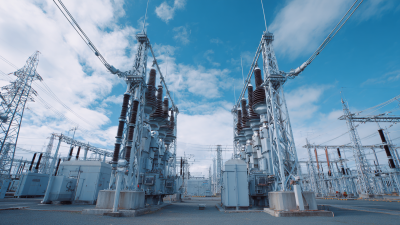
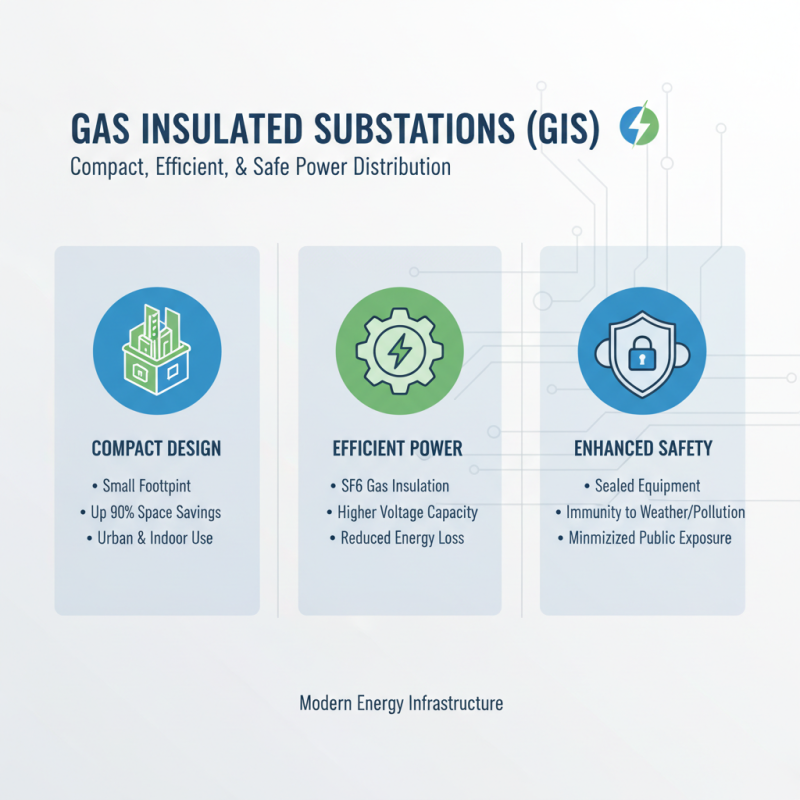
Gas Insulated Substations (GIS) play a crucial role in modern energy infrastructure, providing a compact and efficient means of transforming and distributing electrical power. Unlike traditional air-insulated substations, GIS utilize gas insulation, typically sulfur hexafluoride (SF6), which enables them to operate in smaller footprints and under higher electrical stress. This technology not only optimizes space usage but also significantly enhances safety by minimizing exposure to outdoor environmental factors, such as weather and pollution, which can affect equipment performance.

The importance of GIS is particularly evident in densely populated urban areas where land is at a premium. By integrating GIS into the energy grid, utility companies can ensure reliable power distribution while reducing the visual and environmental impact that conventional substations may impose. Furthermore, GIS contributes to increased efficiency and lower maintenance costs, making them a preferred choice for utilities aiming to modernize their infrastructure and meet rising energy demands. As renewable energy sources become more prevalent, the need for robust and adaptable substations like GIS is expected to grow, thereby reinforcing their significance in the transition towards a sustainable energy future.

Key Factors to Consider When Selecting a Gas Insulated Substation

When selecting a gas-insulated substation (GIS) for your energy needs, several key factors must be considered to ensure optimal performance, efficiency, and safety. One of the primary factors is the voltage level of your electrical systems. GIS are available for various voltage ranges, typically from 72.5 kV to 800 kV. A comprehensive assessment of your existing infrastructure and future expansion plans will inform the appropriate voltage rating required for your applications.

Another crucial element is the environmental conditions of the installation site. GIS systems are particularly advantageous in urban or confined spaces due to their compact design and reduced land footprint. According to a report by ResearchAndMarkets, gas-insulated substations occupy 50% less space than traditional air-insulated substations, making them ideal for installations in densely populated areas. Additionally, considerations such as seismic resistance and temperature tolerance play a significant role in the selection process, especially if the site is prone to natural events or extreme weather conditions.

Lastly, the long-term operational and maintenance costs must be evaluated. GIS typically offer lower maintenance requirements compared to air-insulated substations, resulting in a decrease in lifecycle costs. A study by Global Market Insights indicates that the global gas-insulated substation market is projected to grow significantly, indicating a trend toward increased adoption due to these financial advantages. By factoring in these key considerations—voltage level, environmental conditions, and maintenance costs—you can make a more informed decision tailored to your energy needs.

Gas Insulated Substation Selection Criteria

Evaluating Your Energy Needs: Capacity and Demand Considerations

When selecting a gas insulated substation (GIS) for your energy needs, a thorough evaluation of your capacity and demand is essential. According to a report by the International Energy Agency (IEA), global demand for electricity is expected to increase by over 2.5% per year through 2040, driven by population growth and urbanization. This rising demand necessitates careful consideration of the substation's capacity, as underestimating energy needs can lead to outages and increased operational costs. In this context, it is crucial to analyze both current load requirements and future growth projections to ensure the selected GIS can handle expected fluctuations in demand.

Furthermore, understanding peak load requirements is vital. Data from the U.S. Energy Information Administration (EIA) indicates that peak demand can often surpass average demand by over 30%. This discrepancy underscores the importance of incorporating surplus capacity into your GIS selection. A well-planned gas insulated substation should not only accommodate daily operational loads but also possess the agility to address peak demand scenarios effectively. By accurately assessing these parameters, stakeholders can avoid costly retrofitting or expansions in the future, resulting in a more streamlined and efficient energy distribution system.

Comparing Gas Insulated Substations with Traditional Technologies

When comparing gas insulated substations (GIS) with traditional air insulated substations (AIS), several key factors come into play, particularly in terms of space efficiency and environmental impact. GIS technology is inherently more compact than its traditional counterpart, providing significant space savings. According to a report by the International Council on Large Electric Systems (CIGRÉ), GIS installations require approximately 90% less land area compared to AIS, making them ideal for urban settings where real estate is at a premium.

In addition to spatial considerations, the operational reliability of GIS can be a crucial factor for energy providers. Studies have shown that GIS typically has a longer lifespan and lower maintenance costs. The U.S. Department of Energy has estimated that natural gas insulated systems can lead to a reduction in operational expenditures by about 20% over their lifecycle. Furthermore, the insulating properties of gas allow for superior performance in adverse weather conditions, decreasing the likelihood of power outages caused by environmental factors, an issue that significantly impacts traditional substations.

Moreover, environmental sustainability is increasingly influencing the choice between GIS and AIS. GIS technology has a lower environmental footprint, with negligible emissions and reduced risks of insulating fluid leaks, as highlighted in various industry reports. Transitioning to GIS not only aligns with regulatory requirements but also promotes more sustainable energy practices, which can significantly enhance a company's green credentials in a market that is becoming ever more environmentally conscious.

Assessing Site Conditions and Environmental Impact

How to Choose the Right Gas Insulated Substation for Your Energy Needs

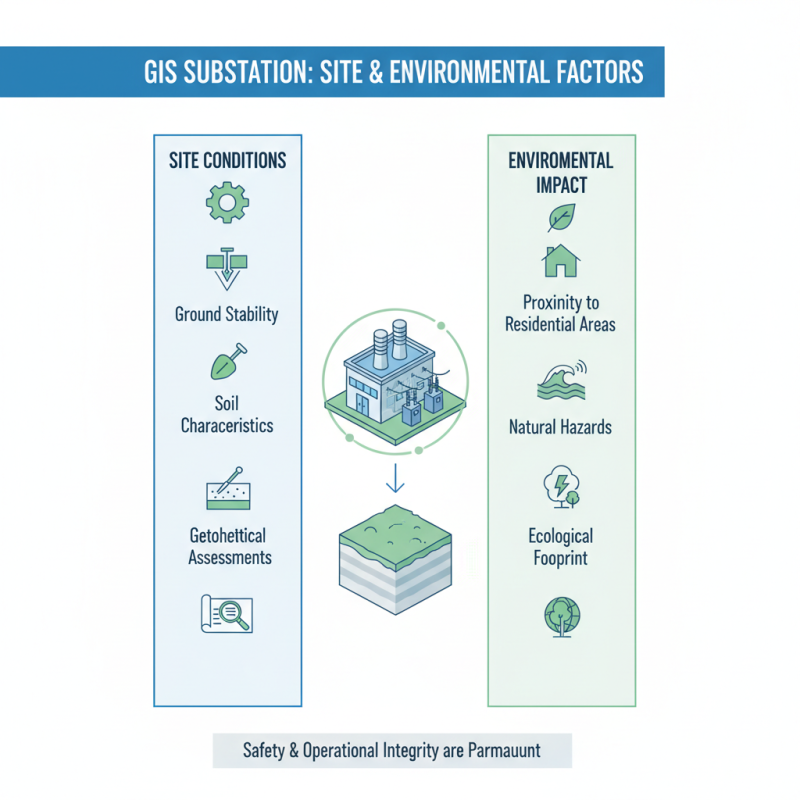
When considering the installation of a gas-insulated substation (GIS), assessing site conditions and environmental impact is paramount. The geographical location must be evaluated for factors such as ground stability, proximity to residential areas, and potential natural hazards like flooding or earthquakes. Soil characteristics play a significant role in determining the substation's foundation requirements and overall safety. Engineers must conduct thorough geotechnical assessments to ensure that the proposed site can support the infrastructure without compromising its operational integrity.

Additionally, understanding the environmental implications of a GIS is crucial. The design and placement of the substation should minimize disruption to local ecosystems and wildlife. An environmental impact assessment (EIA) can help identify potential adverse effects on the surrounding environment, allowing for the implementation of mitigation strategies. This includes evaluating emissions, noise levels, and land use alterations. By prioritizing sustainable practices and adhering to environmental regulations, it becomes possible to create a facility that not only meets energy demands but also respects and preserves ecological balance.

Cost Analysis: Budgeting for Installation and Maintenance

Gas Insulated Substation When planning to install a gas insulated substation (GIS), understanding the cost implications is crucial for effective budgeting. The initial investment involves not just the purchase of the equipment but also installation expenses, site preparation, and the necessary support infrastructure. It's essential to gather comprehensive quotes from multiple suppliers to get a clear picture of the total costs involved. Additionally, considering the geographic location and site accessibility can significantly influence the logistics and overall expenditure.

Tips: Prior to finalizing your budget, conduct a detailed cost-benefit analysis. Assess the long-term maintenance costs versus the initial setup costs, as GIS can offer durability and lower maintenance needs compared to traditional substations. Furthermore, factor in potential future upgrades or expansions, as planning for scalability can save considerable costs down the line.

Ongoing maintenance should not be overlooked in your budget. Regular inspections and preventive measures are key to prolonging the life of the GIS and preventing costly repairs. It's wise to allocate a percentage of the initial substation costs toward maintenance and training for your staff to operate and maintain the technology efficiently. Doing so ensures that your investment remains protected and operational for years to come.

Future-Proofing: Choosing Equipment for Long-Term Use and Efficiency

When selecting equipment for a gas insulated substation (GIS), long-term use and efficiency are paramount in future-proofing your energy infrastructure. According to the International Energy Agency (IEA), the global demand for electricity is expected to rise by 30% by 2040, emphasizing the need for infrastructure that can adapt to changing energy landscapes. Investment in GIS not only allows utilities to optimize space and reduce environmental impact, but it also provides superior reliability and lower maintenance costs over time compared to traditional substations. A report by MarketsandMarkets predicts that the GIS market will grow from $22 billion in 2021 to $29 billion by 2026, illustrating the industry's shift toward more compact and efficient solutions.

Moreover, considering the longevity of components is critical. Research from the Electric Power Research Institute (EPRI) indicates that the lifespan of GIS equipment can exceed 30 years with proper maintenance. This longevity, combined with advances in technology that enhance energy efficiency, such as digital monitoring systems, can significantly reduce operational costs. Understanding these trends allows energy providers to make informed decisions that not only align with current demands but also anticipate future energy challenges, ensuring a robust and resilient power grid for years to come.

How to Choose the Right Gas Insulated Substation for Your Energy Needs - Future-Proofing: Choosing Equipment for Long-Term Use and Efficiency

Dimension Importance Recommended Values Long-term Benefits
Voltage Level High-Capacity Distribution 110 kV to 400 kV Supports future load growth
Size and Footprint Space Management Compact Design Maximizes land use and reduces costs
Environmental Considerations Sustainability Low Emissions Meets regulatory requirements
Maintenance Requirements Operational Efficiency Minimal Maintenance Lower operational costs
Integration with Smart Grid Modernization Advanced Communication Systems Enhanced energy management

FAQS

: Why is it important to evaluate energy capacity and demand when selecting a gas insulated substation (GIS)?

: Evaluating energy capacity and demand is essential to avoid outages and manage operational costs. As global electricity demand is projected to rise significantly, understanding current load requirements and future projections ensures that the selected GIS can accommodate expected fluctuations in demand.

What does peak load requirement mean in the context of GIS?

Peak load requirement refers to the maximum demand for electricity that occurs at specific times, which can exceed average demand by over 30%. Understanding this discrepancy is crucial for incorporating surplus capacity into the GIS selection to effectively manage peak demand scenarios.

How does urbanization affect electricity demand?

Urbanization, alongside population growth, contributes to a steady increase in electricity demand, prompting the need for robust energy infrastructure, including well-planned gas insulated substations.

What factors should be considered to future-proof a gas insulated substation?

Future-proofing a GIS involves selecting equipment that ensures long-term use and efficiency, accommodating rising electricity demand, optimizing space, and reducing maintenance costs while leveraging advanced technologies.

What is the expected growth of the GIS market by 2026?

The gas insulated substation market is predicted to grow from $22 billion in 2021 to $29 billion by 2026, indicating a shift towards more compact and efficient energy solutions.

How long can GIS equipment last with proper maintenance?

GIS equipment can exceed a lifespan of 30 years with proper maintenance, which contributes to lower operational costs and enhanced energy efficiency over time.

What are the benefits of investing in gas insulated substations compared to traditional ones?

Benefits of GIS include optimized space usage, reduced environmental impact, superior reliability, and lower maintenance costs compared to traditional substations.

Why is incorporating digital monitoring systems into GIS important?

Digital monitoring systems enhance energy efficiency and can help significantly reduce operational costs, making them a crucial part of modern gas insulated substations.

What trends should energy providers be aware of to make informed decisions about GIS?

Energy providers should be aware of trends like the rising global electricity demand, advances in technology, and the importance of longevity and efficiency in infrastructure to ensure a resilient power grid.

What role does careful planning play in the selection of a GIS?

Careful planning helps stakeholders avoid costly retrofitting or expansion in the future, ensuring a more streamlined and efficient energy distribution system capable of handling both current and future demands.

Conclusion

Gas Insulated Substations (GIS) play a critical role in modern energy infrastructure, offering numerous advantages over traditional technologies. When selecting the right GIS for your energy needs, it is essential to understand their significance and the various factors that influence your choice. Key considerations include evaluating your capacity and demand requirements, assessing site conditions and environmental impacts, and conducting a detailed cost analysis for installation and maintenance.

Future-proofing your investment is also crucial, as selecting the right equipment for long-term use and efficiency can help ensure reliability in an ever-evolving energy landscape. By carefully weighing these factors, you can make an informed decision that aligns with your specific energy goals and contributes to a sustainable future.
Isabella

Isabella

Isabella is a seasoned marketing professional at our company, which has been a leader in the power transmission and distribution equipment industry since its establishment in 2005. With a strong technical background, she possesses an in-depth understanding of high-voltage product design and......
Previous Mastering Switchgear Equipment: A Comprehensive Guide for Global Buyers