Leave Your Message
0%

You know, as the energy distribution scene keeps changing, there's a noticeable uptick in demand for high-quality Distribution Transformers. I came across a report from MarketsandMarkets that says the global market for these transformers is expected to grow around 5.8% each year, reaching about $24 billion by 2026. That’s a pretty big shift—it's like how we’re moving towards smarter, more efficient ways of managing energy, right? It really highlights how crucial reliability and performance are when it comes to transformer tech.

Big names like Schneider Electric and Siemens are pouring resources into creating innovations to improve how these transformers work. They’re especially pushing towards smart grid tech, which makes everything run smoother and more efficiently. But, honestly, it’s not all smooth sailing. There’s a real challenge with some manufacturers cutting corners—some transformers aren’t built tough enough, and that can lead to costly breakdowns. I’ve read that many of these underperform because they rely on poor cooling systems or use subpar materials.

So, if you’re shopping around, understanding the technical specs and how reliable different transformers are is more critical than ever. With this growing market, folks really need to choose wisely—because picking the right transformer can influence long-term costs and how efficiently energy is used. At the same time, it’s always good to keep in mind the long-term sustainability and overall performance before making a final call.

2026 Best Distribution Transformers for Global Buyers?

Overview of Distribution Transformers in 2026

2026 Best Distribution Transformers for Global Buyers?

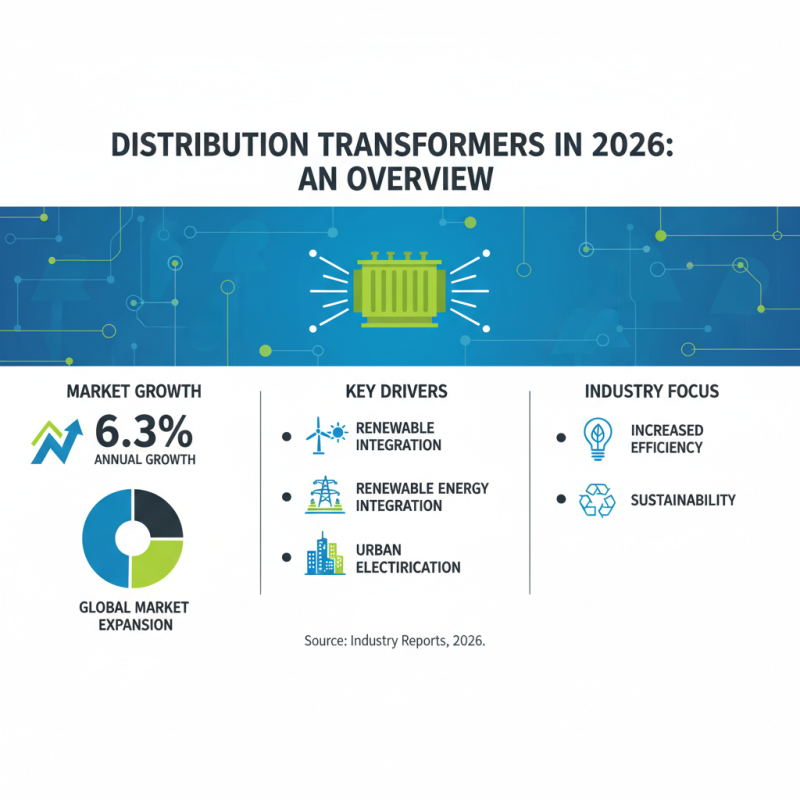
The landscape of Distribution Transformers in 2026 continues to evolve, driven by the demands for efficiency and sustainability. Recent reports highlight that the global market for distribution transformers is set to grow by 6.3% annually. This shift reflects the increasing need for renewable energy integration and urban electrification.

The S11 Series 24kv Three-Phase Distribution Transformers are gaining attention for their high efficiency and reliability. These transformers provide significant energy savings, reducing operational costs. Their innovative design minimizes losses and enhances performance, which is crucial for utility companies seeking to optimize their distribution networks.

**Tip:** Regular maintenance of transformers can prevent unexpected downtimes. Monitor insulation levels and connections to avoid failures.

However, challenges remain in the deployment of advanced technologies. Variability in regional regulations and infrastructure can hinder the adoption of these efficient units. Ensuring compliance and interoperability requires a comprehensive understanding of local market conditions.

**Tip:** Collaborate with local experts to navigate regulations effectively. This approach can facilitate smoother integration of new technologies.

Embracing these advances is vital for a sustainable energy future. As more companies shift towards greener energy sources, the emphasis on efficient distribution systems will undoubtedly grow.

Key Features of Top Distribution Transformers for Global Markets

When choosing the best distribution transformers for global markets, several key features stand out. High efficiency is essential. A well-designed transformer minimizes energy loss, benefiting both the environment and operational costs. This feature is especially critical for larger capacities, such as the 10kva Distribution Transformer. In addition to efficiency, robust insulation plays a vital role. Quality insulation materials enhance safety and reliability, reducing the risk of failures.

Tips: Always evaluate the insulation type. It affects performance and lifespan.

Another significant feature is the ease of maintenance. Modern transformers are built for simplicity, allowing technicians to service them quickly. This reduces downtime and keeps operations running smoothly. Moreover, adaptability to different environmental conditions is crucial. For example, distribution transformers should withstand temperature fluctuations and humidity.

Maintaining operational flexibility can be challenging. Consider the environment where the transformer will be installed. A poor installation location can lead to performance issues.

Tips: Conduct site assessments. Understanding the unique needs can guide better choices.

Leading Manufacturers of Distribution Transformers Worldwide

The distribution transformer market is essential for global energy distribution. Key manufacturers play a vital role in providing efficient, reliable solutions. They focus on enhancing energy efficiency. This reduces environmental impact and meets industry standards.

These manufacturers invest heavily in research and development. They aim to create more durable products. Innovations often lead to improved thermal performance and better energy losses. However, it is essential to scrutinize the longevity and maintenance of these transformers. Not all designs stand the test of time.

Market trends indicate an increased demand for smart transformers. Manufacturers are challenged to integrate technology into traditional designs. This shift requires a reevaluation of existing production methods. Some companies may struggle to adapt quickly, potentially leading to reliability issues. Buyers should be aware of these dynamics to ensure they make informed choices.

2026 Best Distribution Transformers for Global Buyers - Leading Manufacturers of Distribution Transformers Worldwide

Model Rated Power (kVA) Voltage Class (kV) Efficiency (%) Weight (kg) Cooling Type
Model A 500 11 98.5 300 ONAN
Model B 1000 33 99.0 450 OFAF
Model C 1500 66 98.7 600 ONAN
Model D 2000 132 99.1 900 OFAF
Model E 3000 66 98.9 1200 ONAN

Comparison of Efficiency Ratings for 2026 Distribution Transformers

When considering distribution transformers for 2026, efficiency ratings take center stage. Understanding these ratings is crucial for global buyers aiming to enhance energy efficiency. High-efficiency transformers reduce energy loss, which can lead to significant cost savings. They play a vital role in the transition toward sustainable energy solutions.


Efficiency ratings vary widely. Examining different transformer designs reveals notable differences. Some transformers may promise high efficiency but underperform in real-world scenarios. Buyers should seek transparent metrics that reflect actual operating conditions. A hands-on approach helps in identifying models with proven reliability and long-term performance.


Decisions should be informed by robust data and analysis. Engaging with expert resources is beneficial. Recent studies shed light on trends and innovations that could impact efficiency ratings. An understanding of these factors can help buyers make well-rounded choices. It’s essential to acknowledge that not all high-rated products are suitable for every application. Buyers must reflect on their specific needs and the environment.

Innovative Technologies in Distribution Transformers for Modern Use

The evolution of distribution transformers is marked by innovative technologies aimed at improving efficiency. Today, modern needs demand flexibility and reliability. Among the most notable advancements is the Oil Immersed Distribution Transformer, which effectively manages heat and enhances performance. The design utilizes high-quality insulation, leading to minimized energy loss. This component is critical for energy savings in urban areas.

Another emerging technology is smart monitoring systems. They provide real-time data on transformer conditions. These systems can detect abnormalities early, thus preventing significant failures. However, not all users adopt such technologies, showing a gap in awareness about their benefits. The integration of IoT solutions, while promising, remains underutilized.

Additionally, many manufacturers are exploring sustainable materials. The push for eco-friendly designs is reshaping the industry. Yet, transitioning to these materials presents challenges. Cost and availability can hinder widespread adoption. While these innovations aim to reduce environmental impact, some may question their long-term reliability. Embracing change will require careful evaluation of these new solutions.

Market Trends Influencing Distribution Transformer Purchases in 2026

In 2026, the distribution transformer market is expected to evolve significantly. Factors like rising energy demands and shifts towards renewable sources are driving this change. Buyers must recognize that efficiency and sustainability are crucial. These elements directly affect purchasing decisions. An informed choice can help in minimizing costs and optimizing performance.

When selecting distribution transformers, always consider energy efficiency ratings. Higher ratings can lead to lower operational costs. Additionally, assess the durability of the transformers. Investing in reliable, long-lasting models can save money on maintenance. Don't overlook the importance of scalability. As future demands grow, transformers should adapt nicely to changing requirements.

It's vital to stay informed about market trends. Regularly review regulations affecting transformer specifications. Awareness of technological advancements will also guide purchasers toward better options. Researching diverse suppliers could yield beneficial insights. Make observations to refine your decision-making process. Balancing cost, efficiency, and sustainability will define successful purchases in 2026.

Guidelines for Selecting the Right Distribution Transformer for Your Needs

2026 Best Distribution Transformers for Global Buyers?

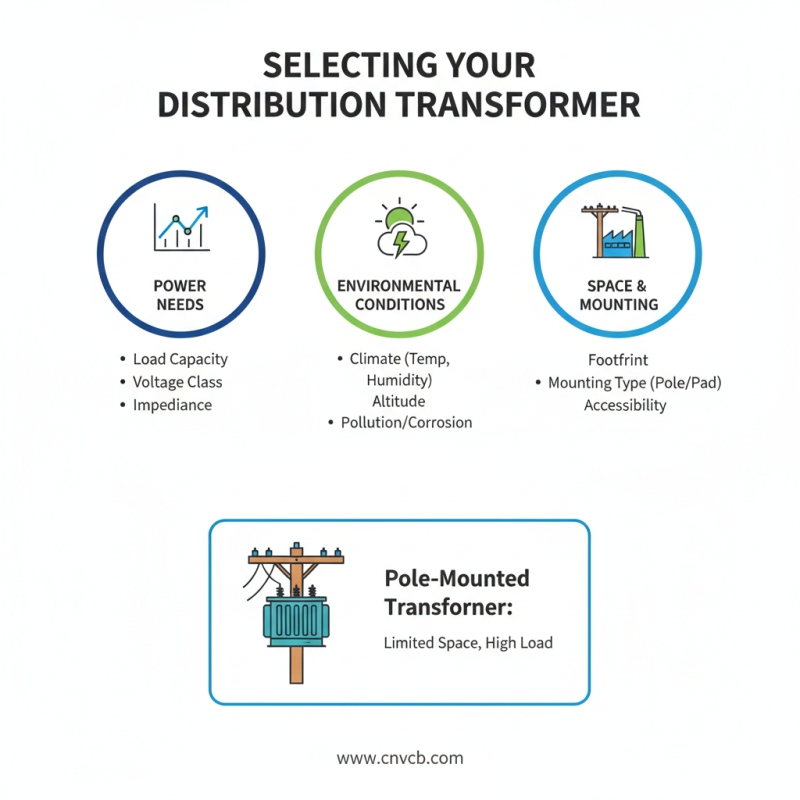
Choosing the right distribution transformer can feel overwhelming. Many factors affect the efficiency and performance of these essential devices. It’s crucial to understand your specific power needs and environmental conditions. For example, a Pole Mounted Distribution Transformer may be ideal for areas with limited space but significant load requirements.

Consider the capacity ratings. A mismatch can lead to inefficiencies or overloads. Know the expected load and choose a transformer rated slightly higher than the demand. Take into account the installation location too. Weather conditions can impact the longevity of transformers, particularly outdoor units.

Don't overlook maintenance requirements. Some transformers need more attention than others. Regular inspections can prevent unexpected failures. Although it may seem daunting, thorough research and expert advice can make the selection process smoother. Reflecting on feedback from users can also guide your choices and improve performance over time.

FAQS

: Why are distribution transformers important?

: They are vital for global energy distribution and improve energy efficiency.

What is the focus of leading manufacturers in this market?

They aim to enhance energy efficiency and reduce environmental impact.

What do manufacturers invest in for better products?

They invest heavily in research and development for durability and innovation.

Why should buyers be cautious about efficiency ratings?

Some products may underperform despite high ratings in real-world situations.

What should buyers look for when choosing transformers?

Seek transparent metrics and models with proven reliability under actual operating conditions.

How is technology affecting transformer designs?

Manufacturers are integrating technology, but some may struggle with this shift.

What role do efficiency ratings play for buyers in 2026?

They are crucial for achieving cost savings and sustainable energy solutions.

Can all high-efficiency transformers fit every application?

No, buyers must consider their specific needs and environment.

What is a common challenge for manufacturers today?

Adapting quickly to new technology can lead to reliability issues.

How can buyers make better decisions?

Engaging with expert resources for data and insights helps in informed choices.

Conclusion

In 2026, Distribution Transformers play a crucial role in electrical distribution systems, providing efficient voltage transformation for various applications. This overview highlights the key features of the best distribution transformers for global markets, emphasizing innovations in technology that enhance performance and reliability.

Key trends in the market are set to influence purchasing decisions, alongside a comparison of efficiency ratings that underscore the importance of energy conservation. As modern demands evolve, guidelines for selecting the right distribution transformers will ensure that buyers choose products suited to their specific needs, driving both operational excellence and sustainable practices in the energy sector.
Isabella

Isabella

Isabella is a seasoned marketing professional at our company, which has been a leader in the power transmission and distribution equipment industry since its establishment in 2005. With a strong technical background, she possesses an in-depth understanding of high-voltage product design and......
Previous How to Choose the Right Circuit Isolating Switch for Your Needs?