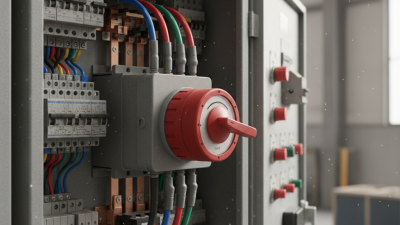
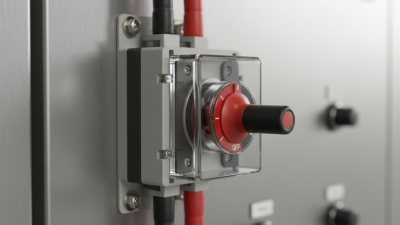
Picking the right Circuit Isolating Switch is actually pretty important when you're dealing with any electrical setup. A good switch can really make a difference in keeping things safe and running smoothly. Honestly, with so many options out there, it can feel pretty overwhelming trying to choose the best one. You’ve gotta think about things like voltage ratings, how much current it can handle, and what exactly you’re planning to use it for.
Every Circuit Isolating Switch has its own set of features. For instance, some are built for high-voltage situations, while others are more suited for low-voltage uses. It’s really all about matching the switch’s specs with what your project needs. And if you’re unsure, checking out testimonials from industry pros can give you a good sense of which options are reliable.
Even with all these choices, a lot of folks still feel uncertain. It’s easy to make mistakes — like not paying enough attention to safety ratings or compatibility issues. Taking the time to understand your needs and chatting with a professional can make a big difference. Remember, understanding just how important these switches are for keeping electrical systems safe can help you make smarter decisions. So, do a bit of homework, and pick something that really fits — it’ll pay off in the end, trust me.
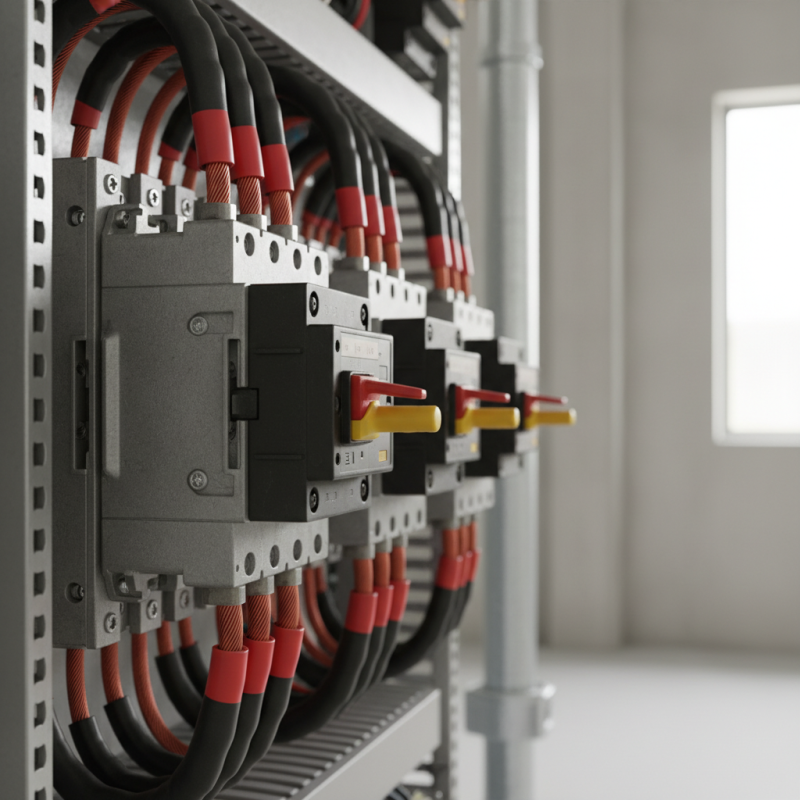
Understanding Circuit Isolating Switches: Definition and Purpose
Circuit isolating switches play a crucial role in electrical systems. They provide a means to safely disconnect circuits for maintenance or troubleshooting. Understanding their definition and purpose is essential for making informed decisions. These switches ensure that electrical equipment can be serviced without risk of shock or short circuit.
When selecting a circuit isolating switch, consider factors like voltage, current rating, and the environment. Wet or hazardous conditions may require specific types of switches. The design of the switch also matters. Some may feature visible break indicators, enhancing safety.
However, not all installations are straightforward. Misjudging the required specifications can lead to issues. An insufficient rating might cause equipment failure, while an over-specified switch can add unnecessary costs. Assessing the specific needs of your electrical system is key. Each situation is unique, requiring careful evaluation for optimal results.
Key Factors to Consider When Selecting a Circuit Isolating Switch
Choosing the right circuit isolating switch is crucial. Several key factors should guide your selection process. First, consider the voltage and current ratings. According to industry reports, using switches with incorrect ratings can lead to equipment failure. Ensure that the switch can handle your specific electrical loads effectively.
Another important aspect is the switch's durability and operation environment. Many switches are tested under various conditions. Reports indicate that environmental factors like humidity and temperature can significantly affect performance. Look for switches that offer robust insulation and corrosion resistance to ensure longevity.
Ease of installation and maintenance is also vital. Some designs are complex, requiring specialized skills for installation. Industry analysis suggests that a straightforward installation can save time and costs in the long run. Reflect on these points to find a switch that not only meets your needs but enhances overall system reliability.
Comparing Various Types of Circuit Isolating Switches Available on the Market
When exploring circuit isolating switches, it's essential to understand the various types available. Important factors include the design and intended application. For example, while some switches are designed for indoor use, others may be optimized for outdoor environments. Indoor Isolating Switches, typically used in electrical panels, provide reliable isolation for maintenance.
Different circuit isolators feature unique mechanisms. Mechanical switches operate manually and provide a clear indication of on/off status. These can be highly reliable but may require regular maintenance. On the other hand, electronic isolating switches often include safety features like circuit protection. However, they may be more complex and sensitive to environmental factors.
It's crucial to consider your specific needs. Do you require a simple on/off function? A mechanical switch might suffice. If you need advanced functionality, explore electronic options. Remember that each type has its advantages and limitations. Taking the time to evaluate these factors can lead to a more informed choice.
Evaluating Voltage and Current Ratings for Circuit Isolating Switches
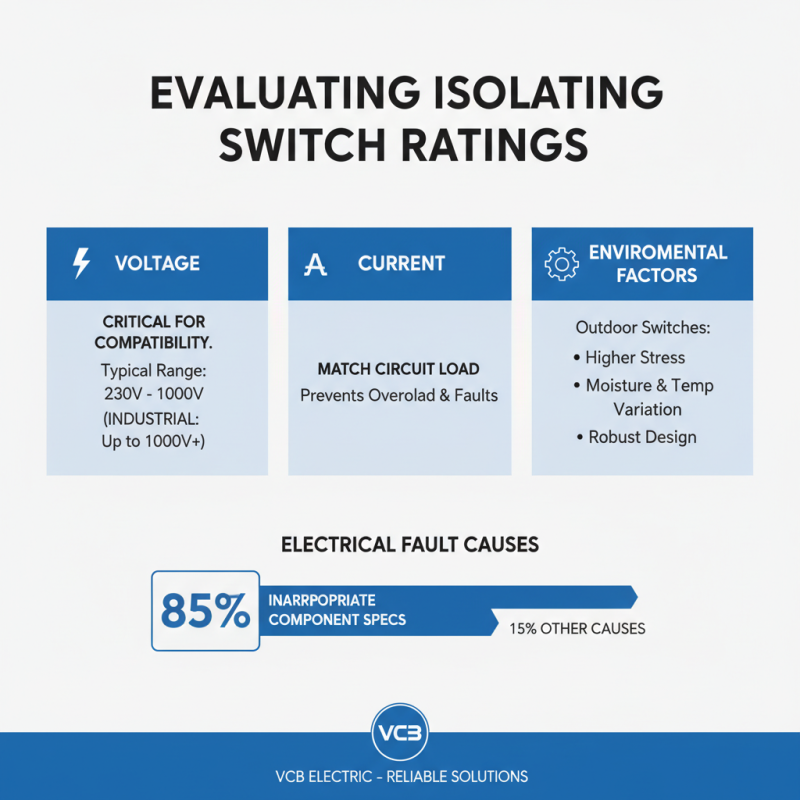
When selecting an isolating switch for electrical circuits, voltage and current ratings are critical. Engineers often draw from industry reports indicating that around 85% of electrical faults arise from inappropriate component specifications. Hence, ensuring compatibility with your circuit’s voltage is crucial. Typical ratings for isolating switches range from 230V to 1000V, depending on the installation type. Outdoor Isolating Switches need to handle higher environmental stress. This demands robust design features to withstand moisture and temperature variation.
Current ratings also play a pivotal role. For most applications, switches are rated between 16A to 800A. However, exceeding these ratings can lead to failure. The International Electrotechnical Commission (IEC) emphasizes that sufficient current capacity is vital for safety and operational reliability. A poorly rated Outdoor Isolating Switch can result in overheating and unexpected outages—issues that impact operational efficiency.
Opting for a switch may sometimes feel overwhelming due to numerous available options. Not every switch can suit every application, and it might take some trial and error to find the right one. Conducting tests or seeking expert advice can enhance decision-making. Investing time in understanding voltage and current requirements ensures longevity and reliability in circuit isolation.
The Importance of Safety Standards in Circuit Isolating Switch Selection
When selecting a circuit isolating switch, safety standards play a critical role. The standards outline key requirements for design, performance, and testing. Proper compliance helps ensure reliability and safety. According to industry reports, devices that meet stringent safety standards can reduce accidents by up to 30%. These statistics highlight the importance of selecting an isolating switch certified for your application.
Many circuit isolating switches, like the Gw4 - 35 Isolating Switch, undergo rigorous testing to ensure they meet safety protocols. Such assessments evaluate voltage ratings, insulation properties, and mechanical durability. A switch that fails these criteria can pose significant risks. Data shows that 20% of electrical faults are linked to improper switch selection.
Understanding these safety standards is essential but often overlooked. It's easy to assume compliance without verification. Regular audits and inspections are vital. Communication with industry experts can provide clarity around safety requirements. Choosing the right isolating switch protects not just equipment but also lives. Prioritizing safety standards can lead to better decisions and minimize potential hazards.
Analyzing Application-Specific Requirements for Circuit Isolating Switches
Choosing the right circuit isolating switch is crucial for your specific application. Analyzing your requirements can help you make a better decision. Whether you need it for safety or equipment protection, understanding the environment is key.
Consider the operating voltage and current. A higher voltage may require more robust insulation. Environmental factors like humidity and temperature play a role too. For example, a Gw5 Series Isolating Switch is designed for high durability in harsh conditions. Reliability in these extremes is essential for long-term performance.
Tips: Always review the specifications carefully. Misjudging can lead to equipment failure. Testing the switch in the actual conditions it will face is advisable. Regular maintenance schedules can also enhance longevity. Assess both short-term needs and long-term impact. Balancing these will yield the best results.
Cost vs. Quality: Making an Informed Decision on Circuit Isolating Switches
When selecting a circuit isolating switch, the balance between cost and quality is crucial. Lower-priced switches may seem attractive at first glance. However, investing in a reliable switch often yields better long-term results. Consider the potential costs of failure, such as equipment damage or safety hazards. Cutting corners on quality can lead to greater expenses down the line.
Identifying your specific needs can help you make informed decisions. Look at factors like the operating environment and voltage requirements. Sometimes, less expensive options simply won't meet your demands, especially in harsh conditions. Yet, a high-quality switch doesn't necessarily mean spending a fortune. Some brands offer effective solutions without a hefty price tag.
It's essential to compare features and materials. For example, look for switches with durable construction and adequate safety ratings. Reviews and expert opinions can guide your choices. However, it's also wise to remain skeptical about overly positive feedback. In the end, ensuring the chosen switch aligns with your operational needs can prevent future complications.
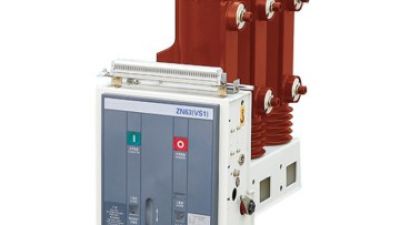
The Essential Guide to ZN63 (VS1) -12: Features, Benefits, and Applications of the Indoor Side-Mounted HV Vacuum Circuit Breaker
The ZN63 (VS1) -12 series indoor high-voltage vacuum Circuit Breaker is a pivotal component in modern electrical infrastructure, boasting a rated voltage of 24 kV and designed for three-phase AC applications at 50 Hz. This versatile breaker is critical for ensuring efficient control and protection within power transmission and distribution systems, especially in power plants, substations, and various industrial and mining operations. Its robust design allows for frequent operations, particularly beneficial in high-altitude environments where reliability is paramount.
Manufactured in accordance with stringent national and IEC standards, the ZN63 (VS1) -12 circuit breaker features a spring energy storage operating mechanism. This enables flexibility in operation, as it can be energized by either AC or DC power sources, or even manually when necessary. Notably, the circuit breaker includes an advanced long-life permanent-contact operating mechanism that can endure up to 60,000 mechanical operations, making it an ideal choice for high-frequency operational contexts.
The construct of the ZN63 (VS1) -12 is another highlight, incorporating a front and rear assembly structure that allows for both fixed installation and chassis vehicle assembly. This adaptability enhances its application across different setups while ensuring a reliable interlocking function for safety. According to industry reports, the integration of high-voltage circuit breakers such as the ZN63 series significantly contributes to overall system resilience, reducing downtime and maintenance costs in critical power distribution networks.
FAQS
: They safely disconnect circuits for maintenance or troubleshooting, minimizing shock or short circuit risks.
Consider voltage, current rating, and environmental conditions, especially if they are hazardous or wet.
Designs with visible break indicators enhance safety and help identify when maintenance is needed.
An incorrect rating can lead to equipment failure, which could be costly and dangerous.
Weigh potential costs of switch failure against lower initial prices to avoid future expenses.
In harsh environments, lower-priced options may lack the necessary durability and safety ratings.
Yes, some options offer great reliability without high costs. Research and compare before deciding.
Carefully evaluate features, materials, and reviews, but remain cautious of overly positive feedback.
They can provide insight, but they should be scrutinized; not all reviews are genuinely helpful.
Conduct a thorough assessment of your electrical system to make optimal decisions for your needs.
Conclusion
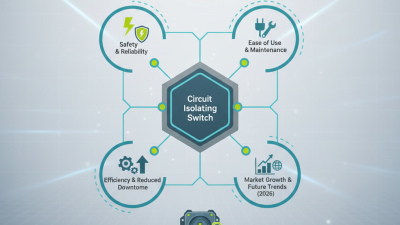
Choosing the right Circuit Isolating Switch is essential for ensuring safety and reliability in electrical applications. Understanding the definition and purpose of these switches lays the groundwork for effective selection. Key factors to consider include voltage and current ratings, safety standards, and specific application requirements. As different types of Circuit Isolating Switches offer unique features, evaluating what’s best suited for your needs is crucial.
Additionally, comparing the cost against quality ensures that you make an informed decision. Balancing affordability with durability and compliance to safety regulations will lead to optimal performance and longevity of your electrical systems. Ultimately, a well-considered choice in Circuit Isolating Switch can enhance the safety and efficiency of electrical circuits in various settings.