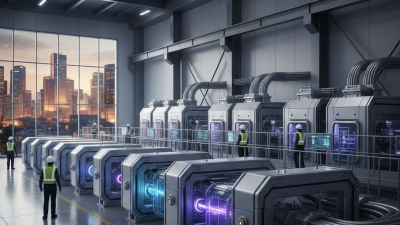
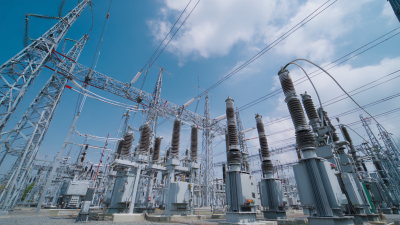
By 2026, Electronic Transformers are really stepping into the spotlight when it comes to electrical innovation. Richard Palmer, a top expert over at Voltage Solutions, puts it simply: "Electronic transformers are set to change the game for energy efficiency." And honestly, with renewable energy sources becoming more popular and widespread, the need for efficient power distribution has never been greater.
As industries start shifting towards more sustainable practices, electronic transformers are playing a key part. They help cut down on energy loss and make the whole system run a lot smoother. But, of course, it’s not all smooth sailing. Not every electronic transformer out there is the same—quality and efficiency can really vary, which can make folks a bit skeptical.
On top of that, fitting electronic transformers into older setups isn’t always straightforward. Companies have to deal with tricky regulations and compatibility issues. Despite these hurdles, it’s pretty clear that the advantages are worth it—think energy savings and shrinking our carbon footprints. Looking ahead, it’s obvious that electronic transformers will be more and more important in shaping our energy future.
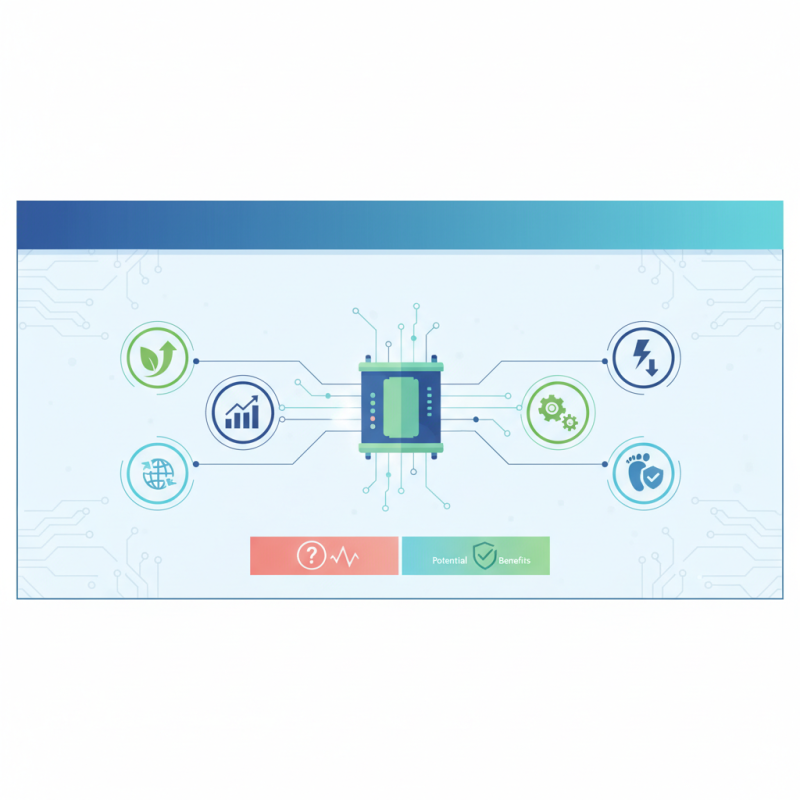
Overview of Electronic Transformers and Their Evolution
Electronic transformers have undergone significant evolution over recent years. Initially, these devices were mainly used for medium voltage applications. As technology advanced, their use expanded into low voltage environments. Now, they are increasingly found in residential and commercial settings. Their ability to step down voltages more efficiently is a game changer.
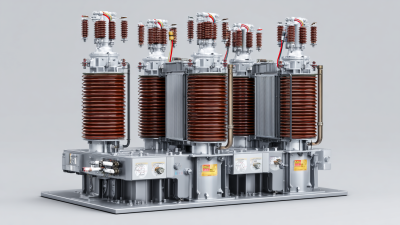
In 2026, the benefits of electronic transformers, especially the 10kv Electronic Transformer, are becoming evident. These devices provide improved energy efficiency and reduced losses. They take up less space than traditional transformers and are lighter, making installation easier. Meanwhile, their compact design allows for better integration into smart grids. However, some challenges remain. Not every region has adapted to this technology fully. Inconsistent regulations can hinder widespread adoption.
The reliability of electronic transformers must also be considered. While they offer many advantages, they are not immune to failures. Regular maintenance is crucial. Users often need training to understand their operation fully. In this rapidly evolving landscape, reflecting on these aspects is essential. The future of electronic transformers is promising, but caution is warranted.
Key Technological Advancements in Electronic Transformers by 2026
The advancements in electronic transformers by 2026 are significant. These innovations improve efficiency in various applications. For instance, the BK-1000VA Dry Type Transformer, designed for 220V/380V systems, showcases enhanced energy performance. This type of transformer minimizes energy loss, which is crucial in today’s energy-conscious world.
Moreover, electronic transformers now feature advanced materials that withstand higher temperatures. This durability is essential for tools in industrial environments. The BK Power Transformer Machine Tool is an example of this evolution, offering robust support to heavy-duty machinery. Compact designs allow for installation in tighter spaces, which is a reflection of industry needs.
However, there are challenges. The transition to newer technologies may require extensive training for technicians. Some may struggle with adapting to different operational standards. This adjustment period could lead to temporary inefficiencies. Yet, embracing these changes is key to future innovations. Integrating these insights can ensure that the BK Control Transformer meets safety and performance standards effectively. This focus on growth, despite the potential bumps, is where the industry is headed.
Benefits of Electronic Transformers in 2026
Energy Efficiency Improvements Offered by Electronic Transformers
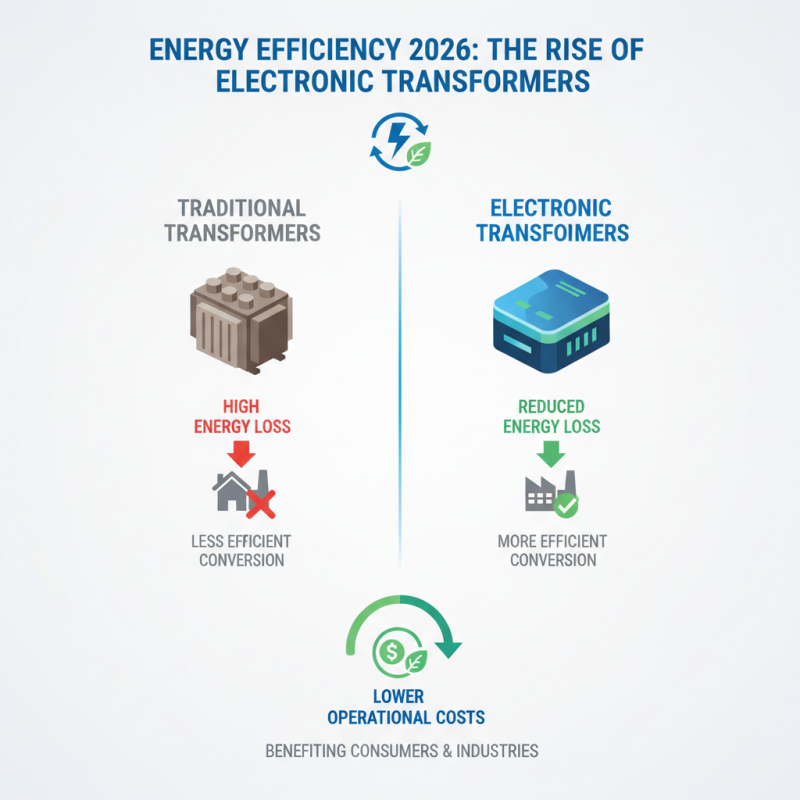
The rise of electronic transformers is shaping energy efficiency in 2026. These devices are changing the way we use electricity. They frequently reduce energy loss, benefiting both consumers and industries. Electronic transformers can convert electrical energy more effectively than traditional models. This shift leads to lower operational costs for businesses.
In addition to financial savings, electronic transformers boost system reliability. They are designed to handle fluctuations in power loads without significant losses. However, their technology can become complex. Some users might struggle with installation and maintenance. This complexity raises questions about user training and operational understanding.
Despite their advantages, the life cycle of electronic transformers requires attention. The materials used can have environmental impacts. Users must consider disposal and recycling methods. Moreover, not all environments are suited for electronic transformers. In specific applications, a traditional Hv Transformer might still be preferable. Each situation demands careful evaluation to ensure energy efficiency goals are met.
Environmental Impact and Sustainability of Electronic Transformers
Electronic transformers are gaining popularity in various sectors due to their potential environmental benefits. Their compact design reduces material usage, making them lighter and easier to transport. This decrease in weight can lead to lower carbon emissions during logistics. Additionally, these transformers often utilize advanced materials, which can enhance energy efficiency.
Sustainability is a pressing concern in today's world. Electronic transformers can operate with lower losses, translating to less energy wasted as heat. However, the production process still poses challenges. Manufacturing these devices sometimes involves hazardous materials, raising environmental concerns. Proper disposal and recycling methods are crucial to mitigate these impacts.
The integration of electronic transformers represents a step towards greener technologies. Yet, the long-term environmental effects of their widespread adoption remain uncertain. Ongoing research and innovation are necessary to ensure that we maximize benefits while minimizing harm. The journey toward complete sustainability in this sector is still unfolding.
What Are the Benefits of Electronic Transformers in 2026? - Environmental Impact and Sustainability of Electronic Transformers
| Benefit | Description | Environmental Impact | Sustainability Aspect |
| Energy Efficiency | Reduces energy loss significantly compared to traditional transformers. | Decrease in carbon emissions through lower energy consumption. | Supports renewable energy sources integration. |
| Compact Size | Requires less physical space due to its design. | Reduces land use for electrical infrastructure. | Allows for integration in urban environments. |
| Lower Noise Levels | Operates more quietly than conventional transformers. | Contributes to reduced noise pollution. | Enhances the quality of life in residential areas. |
| Less Maintenance | Requires fewer maintenance interventions. | Fewer resources used for upkeep. | Promotes long-lasting infrastructure solutions. |
| Enhanced Grids | Enables smart grid technologies with real-time data monitoring. | Improves overall grid reliability and performance. | Facilitates the transition to energy-efficient systems. |
Cost Benefits of Implementing Electronic Transformers in Industry
The implementation of electronic transformers is transforming industrial operations. Companies find themselves faced with increasing costs and pressures to maintain efficiency. A recent industry report highlights that businesses could save up to 30% on energy expenditures by switching to electronic transformers. These devices have a higher efficiency rate, often exceeding 95%. This can significantly lower operational costs over time.
In addition to energy savings, electronic transformers provide improved performance. They are smaller and lighter than traditional transformers, which results in lower installation costs. However, the initial investment can be a concern for some companies. The transition requires careful planning and financial forecasting. Organizations might find that the upfront cost is challenging, but the long-term gains can outweigh this issue.
Moreover, as industries move towards sustainability, electronic transformers play a vital role in reducing carbon footprints. A report mentioned that replacing outdated Transformers Hv can cut greenhouse gas emissions by 15%. However, the rapid pace of technological advancement leaves some users in doubt about their choices. Are they adapting quickly enough? Ultimately, the balance between cost and environmental impact weighs heavily on decision-making in industry today.
Applications and Use Cases of Electronic Transformers in 2026
In 2026, electronic transformers are becoming essential in various applications. They are efficient in energy distribution. Their compact design allows for easy integration into modern systems. Smart grids greatly benefit from their ability to manage electricity flow dynamically. They help reduce energy losses during transmission and ensure reliability.
Residential use is also on the rise. Electronic transformers enable smoother operation of home appliances. They support energy-saving measures, boosting sustainability. However, challenges remain. Some users may find installation complex. Others worry about maintenance costs over time. Still, the advantages often outweigh these concerns.
In industrial settings, electronic transformers facilitate advanced manufacturing processes. They help power automation systems effectively. Their lightweight nature reduces transportation costs. Yet, companies must evaluate their long-term viability. An unexpected failure could impact production schedules. Despite these potential pitfalls, their role in energy innovation is undeniable.
Future Trends and Innovations in Electronic Transformer Technology
The landscape of electronic transformers is evolving rapidly. By 2026, innovations will reshape energy management systems. According to industry reports, the market for electronic transformers is expected to grow by over 10% annually. This growth is driven by increased demand for efficient energy solutions.
Future trends indicate a shift towards digital integration. Electronic transformers will feature built-in smart technology. This allows enhanced monitoring and control. Real-time data analytics will improve operational efficiency. Reports show that these transformers can increase energy savings by up to 30%. Such gains are compelling for industries aiming to reduce costs.
Challenges remain in adoption. Not all sectors are ready to embrace new technologies. Training and infrastructure investment are critical hurdles. Many companies face resistance to change. Despite these issues, the potential for innovation in electronic transformer technology is significant. The path forward may be challenging, but it promises a more sustainable energy future.
FAQS
: The articles focus on recent trends and insights in a specific field.
Start with small changes in your routine. Gradually integrate more tips.
Many believe that immediate results are necessary. This can lead to frustration.
Yes, changes may not work for everyone. It’s important to reflect on your progress.
Success can be tracked through personal goals. Keep a journal to monitor changes.
Results can vary widely. Be prepared for a journey rather than quick fixes.
Setbacks happen. Analyze what went wrong and adjust your approach.
Periodic reassessment helps. Try every few weeks to see what’s working.
Absolutely. Sharing experiences with peers can provide motivation and new ideas.
Reflect on your efforts. Change strategies if necessary. It’s a learning process.
Conclusion
The article discusses the evolution and advancements of Electronic Transformers up to 2026, highlighting their significant technological improvements. The key focus is on their enhanced energy efficiency, which offers substantial cost savings for industries, along with their positive environmental impact due to reduced energy consumption and lower emissions.
Furthermore, the article explores various applications and use cases of Electronic Transformers in 2026, showcasing their versatility in modern energy systems. It also examines future trends and innovations in this technology, suggesting that Electronic Transformers will play a crucial role in sustainable energy solutions moving forward, aligning with global efforts to foster a greener and more efficient energy landscape.