When it comes to electrical setups, picking the right Indoor Isolating Switch really matters. I remember John Smith from Power Solutions Inc. mentioning once, 'Choosing the right isolating switch can totally make a difference when it comes to safety and efficiency.' Seems pretty straightforward, but it highlights just how important it is to make an informed choice.
So, when you're comparing options, think about what your specific setup needs. Not all switches are created equal — you gotta pay attention to things like voltage ratings and where you'll install it. The right switch isn’t just about ticking boxes; it actually makes your system more reliable and safe. Unfortunately, a lot of folks overlook these details until something goes wrong.
And don’t forget to check out the brand’s reputation. Sometimes those cheap, lesser-known brands might seem attractive — but they often cut corners on quality, and that’s a risk you really don’t want to take for your system. Finding a good balance between price and functionality isn’t easy, but it’s worth the effort. Remember, choosing an Indoor Isolating Switch isn’t just a technical decision — it’s vital for safety and efficiency, so it’s worth giving it some serious thought.
Understanding Indoor Isolating Switches and Their Importance
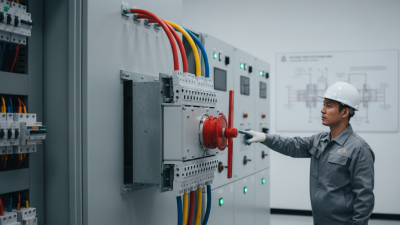
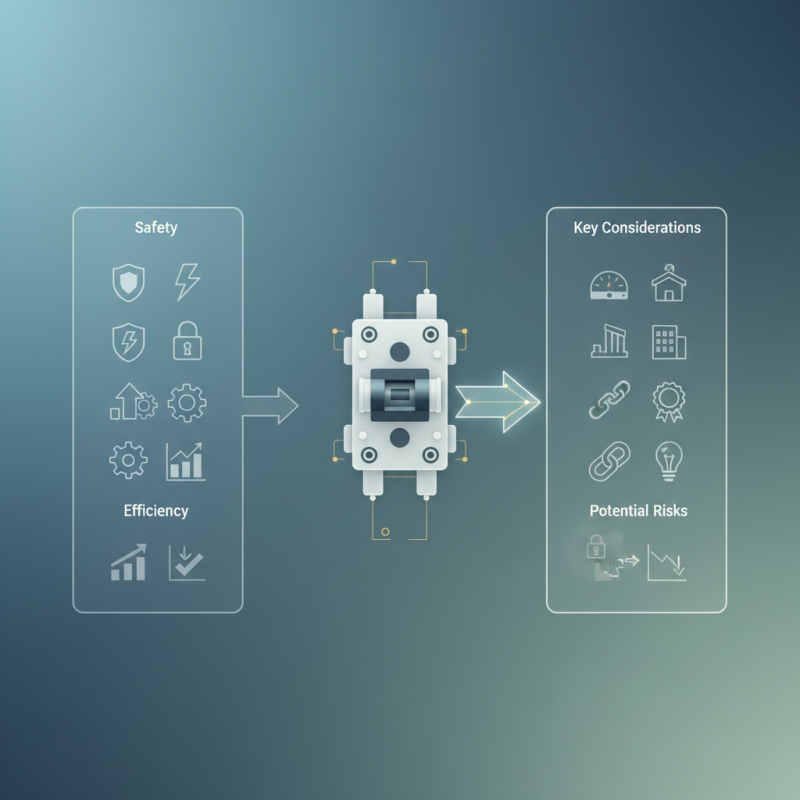
Indoor isolating switches play a critical role in electrical safety. They allow you to cut off the power supply for maintenance. This ensures that electrical systems can be serviced without risk. Understanding their function is essential for both professionals and DIY enthusiasts.
These switches come in various styles and configurations. The type you choose should match your specific requirements. Consider factors like voltage, current, and installation space. Sometimes, users might overlook certain specifications. This can lead to problems down the line. Selecting the right switch requires careful thought.
Safety is paramount when dealing with electricity. Always prioritize reliable performance. Look for materials that can withstand environmental factors. Even slight imperfections in selection can be detrimental. Take time to evaluate all options. A well-informed choice can enhance the safety and efficiency of your electrical setup.
Key Features to Consider When Choosing an Indoor Isolating Switch
When selecting an indoor isolating switch, key features are crucial. The switch's current rating is vital. It determines how much load the switch can handle safely. Make sure it matches your system's demands. A switch rated too low can lead to failure.
Safety features matter. Look for options with built-in overload protection. These can prevent accidents and equipment damage. A good isolating switch should also have clear labeling. This ensures easy identification during maintenance or emergencies.
Tips: Always check the installation environment. Humidity or dust can affect performance. A switch rated for harsh conditions might be necessary. Consider ease of operation, too. A user-friendly design can save time during critical situations. Reflect on your needs carefully to avoid future issues.
Types of Indoor Isolating Switches: A Comprehensive Overview
When selecting an indoor isolating switch, understanding the different types is essential. The market offers various options, each catering to specific needs. Common types include rotary, toggle, and push-button switches. Rotary switches tend to be more versatile and are suitable for different applications. Toggle switches, on the other hand, provide a simpler solution for basic on/off operations.
A recent industry report highlights that rotary isolating switches account for approximately 40% of the market share. Their flexibility makes them popular in commercial settings. Meanwhile, push-button switches are gaining recognition due to their user-friendly design, particularly in residential applications.
Tips for selecting the right switch: Evaluate the load requirements before purchasing. Ensure you choose an isolating switch that can handle the amperage and voltage of your system. Additionally, consider the installation space. Some designs may not fit in tighter areas. It's important to think beyond mere aesthetics. Practical functionality often outweighs the design.
Furthermore, always stay updated on new technology trends in switches. Innovations may improve efficiency or safety. Reflect on the specific needs of your applications regularly. A mismatch could lead to safety risks or operational failures. Choosing the right isolating switch means balancing functionality, safety, and space considerations.
Assessing Your Power Requirements for Proper Switch Selection
Choosing the right indoor isolating switch is crucial. It starts with assessing your power requirements. Consider your appliances and their wattage. Make a list of all devices to connect. This will help you gauge total power needs effectively.
Look at the amperage rating of the isolating switch. It must meet or exceed your total requirements. If you underestimate, you risk overloading the switch. That could lead to malfunctions or safety hazards. Also, think about potential future needs. Will you add more devices? If so, choose a switch that allows for expansion.
Space and installation matter too. Ensure you have room for easy access and maintenance. The switch should be user-friendly. Evaluate your own comfort level with electrical systems. If you're not sure, consult an expert. Don’t overlook these elements; improper choices can lead to costly issues down the line. Reflect on your current setup and how you can improve it.
Power Requirements for Indoor Isolating Switches
Safety Standards and Regulations for Indoor Isolating Switches
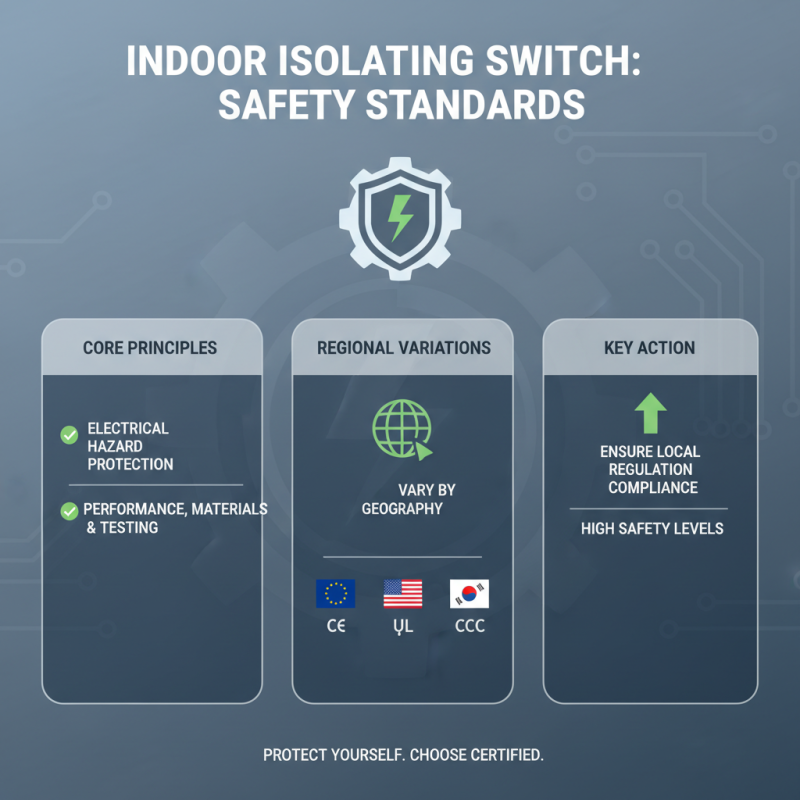
When selecting an indoor isolating switch, understanding safety standards is crucial. These standards ensure protection against electrical hazards. They vary by region but generally cover performance, materials, and testing. Look for compliance with local regulations to ensure high safety levels.
Tips: Consider the voltage rating and current capacity. Ensure the switch fits your specific application. High-quality materials can resist wear and prolong lifespan.
Failing to choose the right switch can lead to risks. Improper installations often cause malfunctions. Regular testing is essential, but many overlook this step. Don't assume your equipment is always safe. Periodic checks can reveal hidden issues.
Tips: Engage with a qualified electrician for advice. They can offer insights on the best options for your needs. Always read the installation manual thoroughly.
Installation Considerations for Indoor Isolating Switches
When choosing an indoor isolating switch, consider the installation space carefully. Measure the area to ensure the switch fits well. Pay attention to the height and reach for easy access. Overhead installations might seem convenient, but they can be challenging for daily use. Keep in mind the surrounding elements like wall thickness and nearby electrical components.
**Tips:** Always check electrical codes before installation. They can save you from future issues. Look for spaces that won't interfere with other devices. The switch should not obstruct access to important areas.
You might also need to think about the switch's orientation. Some switches are designed for vertical or horizontal use only. Improper orientation can lead to malfunction. Additionally, consider the wiring. Poor connections could cause safety hazards, making it crucial to follow guidelines carefully.
**Tips:** Use quality tools during installation. Maintain a tidy workspace to avoid accidents. Taking your time can save you from costly mistakes later.
How to Choose the Right Indoor Isolating Switch for Your Needs?
| Feature | Considerations | Recommended Rating |
| Current Rating | Ensure it matches the maximum load of your circuits. | 16A, 32A, 63A |
| Voltage Rating | Should match the operating voltage of the system. | 230V, 400V |
| Pole Configuration | Select between single pole, double pole, or multi-pole based on your circuit needs. | 1P, 2P, 3P, 4P |
| Type of Operation | Manual or automatic operation depending on the application. | Manual, Motorized |
| Safety Standards | Check for compliance with local and international safety regulations. | IEC 60947, UL 98 |
| Installation Environment | Consider if the switch is for indoor use, or if it needs to withstand harsh conditions. | Indoor, Weatherproof |
| Mounting Options | Determine if you need flush mount or surface mount options. | Flush, Surface |
Maintenance Tips to Ensure Longevity of Your Isolating Switch
Maintaining your isolating switch is vital for its longevity. Regular inspections are key. Look for signs of wear or damage. Check the wiring connections. Loose or corroded wires can lead to performance issues. If you notice any irregularities, it is essential to address them promptly. A small problem can become a big hassle.
Cleaning is another crucial aspect. Dust and debris can accumulate, hindering functionality. Use a soft cloth to wipe the surface regularly. Avoid using harsh chemicals that might harm the materials. Also, ensure that the switch is free from moisture, as this can create electrical hazards.
Consider environmental factors as well. Humidity, for instance, can affect the switch's performance. If your switch is in a particularly damp area, consider installing moisture barriers. Reflect on these maintenance details. Overlooking them can lead to unexpected failures. Take a proactive approach to ensure a reliable operation.
Exploring the Efficiency and Reliability of the ZN23-40.5C Indoor High Voltage Vacuum Circuit Breaker
The ZN23-40.5C Indoor High Voltage Vacuum Circuit Breaker stands out as a highly efficient and reliable solution for indoor power distribution systems. Functioning at a rated voltage of 40.5kV and a frequency of 50Hz, it is specifically designed to protect and control AC power distribution. Its robust construction makes it ideal for critical applications, including use in arc furnace transformers, where frequent operations are necessary.
Equipped with either a CT9BN type spring operating mechanism or a CD10Ⅱ type electromagnetic operating mechanism, this circuit breaker offers flexibility and adaptability in various operational environments. Its design ensures that it can perform reliably under demanding conditions, providing essential protection without compromising safety. Additionally, the vacuum interruption technology minimizes the risk of electrical faults and contributes to longer service life, further enhancing its operational reliability in indoor settings.
While the ZN23-40.5 series is tailored for high-performance environments, it is important to note that it should not be used in locations where flammable or explosive materials are present. This precaution underscores the significance of selecting the right equipment for specific applications to ensure safety and efficiency in power distribution systems.
FAQS
: The program aims to educate participants on essential skills for daily challenges.
Anyone interested in personal growth can join, regardless of background or experience.
The program typically lasts for several weeks. It requires consistent participation.
Yes, there may be fees. It's important to check the details before signing up.
Participants can expect to learn communication, problem-solving, and time management skills.
Yes, there are opportunities for ongoing support and community engagement.
Absolutely! Feedback is encouraged. It helps improve the program for future participants.
Missing a session is okay. However, catching up on missed content is important.
Basic requirements usually involve a willingness to learn and participate actively.
Yes, assessments may happen. They are designed to track progress and understanding.
Conclusion
Choosing the right Indoor Isolating Switch is crucial for ensuring safety and functionality in various electrical applications. This article outlines the importance of understanding indoor isolating switches, highlighting their key features and types available in the market. It emphasizes assessing your power requirements, adherence to safety standards and regulations, and the significance of proper installation practices.
Additionally, the article provides essential maintenance tips to prolong the life of your indoor isolating switch, ensuring reliable performance over time. By considering these factors, you can make an informed decision that aligns with your specific needs, thereby enhancing the safety and efficiency of your electrical systems.