Vacuum Circuit Breakers, or VCBs for short, are pretty important in today’s electrical setups. They help keep things safe and running smoothly. Unlike the old-school circuit breakers, VCBs use a vacuum inside to quench the sparks that happen when you cut off the electrical flow. This cool design not only makes switching off currents quicker but also means they need less maintenance — no wonder they’re so popular in many applications.
If you’re into electrical work or tech, it’s good to understand how VCBs actually do their thing. Basically, they have contacts inside a sealed vacuum chamber. Because there’s no air in there, it’s much easier for the arc to get snuffed out fast. This means fewer sparks, less wear and tear on the contacts, and a longer-lasting device. As electrical systems get more advanced, VCBs are becoming a go-to because they help manage power more efficiently.
Bottom line? Vacuum Circuit Breakers not only protect electrical networks from overloads and short circuits, but they also support the development of smaller, greener electrical setups. As more industries jump on board with these technologies, understanding how they work and the benefits they offer will be key to designing better, safer, and more reliable electrical systems.
What is a Vacuum Circuit Breaker?
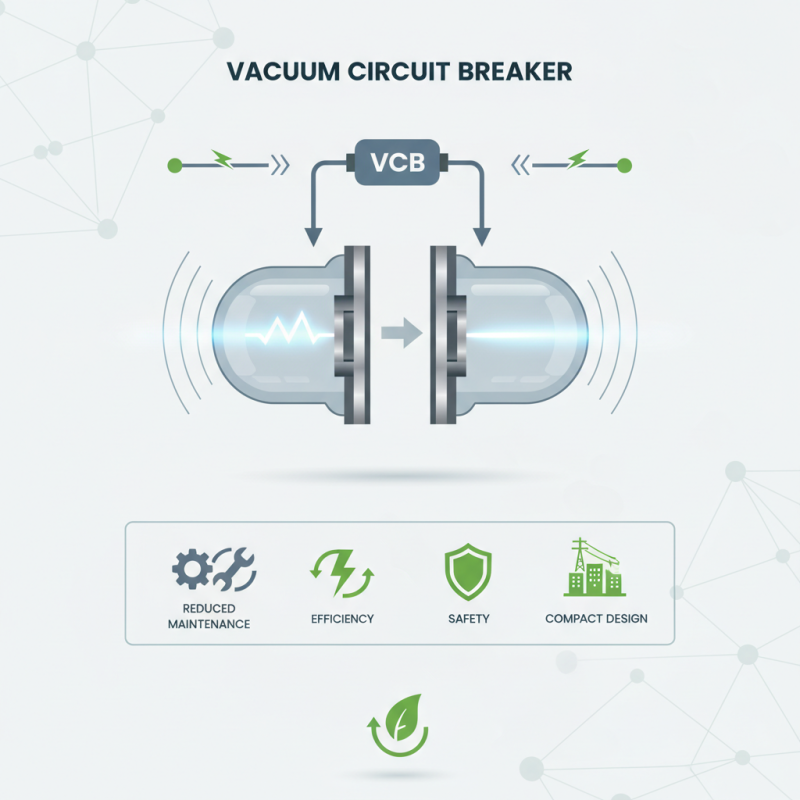
A vacuum circuit breaker (VCB) is an essential component in modern electrical systems, specifically designed to interrupt the flow of electricity in a controlled manner. Unlike traditional circuit breakers that operate in air or oil, VCBs utilize a vacuum environment to achieve their interrupting function. When the circuit breaker operates, the contacts open within a sealed chamber that has been evacuated of air, creating a vacuum. This unique feature allows for rapid arc extinction, as the electrons and ionized particles produced when the contacts separate are efficiently contained and extinguished within the vacuum.
The construction of a vacuum circuit breaker includes several key components such as the moving and stationary contacts, a vacuum interrupter, and a mechanism for operating the contacts. When overcurrent or fault conditions occur, the VCB detects the anomaly and triggers the opening of the contacts. This swift interruption minimizes the damage to electrical equipment and ensures safety in electrical distribution systems. VCBs are particularly advantageous for high voltage applications, as they are compact, require less maintenance, and have a long operational life compared to other types of circuit breakers. Their reliability and efficiency make them a preferred choice in substations and industrial applications, where managing electrical loads effectively is critical.
History and Development of Vacuum Circuit Breakers
The vacuum circuit breaker (VCB) has a rich history that traces back to the mid-20th century when electrical engineers sought more efficient methods for interrupting electrical circuits. Early developments in this technology emerged in the 1950s when researchers recognized that a vacuum could effectively extinguish electrical arcs, which was a common problem in traditional air-insulated circuit breakers. By removing or significantly reducing the air from the contact area, the likelihood of an arc re-striking after being interrupted was markedly decreased.
By the 1970s, advancements in materials and manufacturing processes allowed for more compact designs and greater reliability. A significant milestone was marked by the introduction of VCBs in high-voltage substations, where they offered improved performance and reduced maintenance needs compared to their predecessors. The global market for vacuum circuit breakers experienced substantial growth, with reports from 2021 indicating that the market size was expected to exceed $3 billion by 2028, driven by increasing investments in renewable energy and smart grid technologies. The reliability and efficiency of VCBs make them ideal for modern electrical systems, supporting the continued evolution of electrical infrastructure.
How Vacuum Circuit Breakers Operate in Electrical Systems
Vacuum Circuit Breakers (VCBs) are integral components in modern electrical systems, designed specifically to handle high voltage applications with efficiency and reliability. They operate on the principle of creating a vacuum environment within a sealed chamber where the circuit contacts are housed. When a fault occurs, and the contacts begin to separate, the resulting arc generated is quickly extinguished within the vacuum, preventing it from sustaining and ensuring safe interruption of the electrical current. This mechanism is advantageous because the absence of air reduces the possibility of re-ignition, providing a high degree of protection for the electrical circuit.
The operational efficiency of VCBs is further enhanced by their ability to detect fault conditions rapidly. As the current flows through the circuit, the VCB continuously monitors the electrical parameters. Upon detecting abnormalities, such as overloads or short-circuits, the breaker activates its mechanism to open the contacts. This quick response time limits the damage to equipment and enhances overall system reliability. Moreover, the compact design and lightweight nature of vacuum circuit breakers facilitate their installation in various settings, making them ideal for both urban and remote electrical networks. Their ability to operate without the need for external cooling or bulky insulation further increases their appeal in modern electrical infrastructure.
Key Components of a Vacuum Circuit Breaker
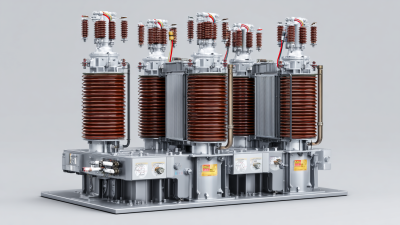
A vacuum circuit breaker (VCB) is a critical component in modern electrical systems, renowned for its reliability in interrupting electrical circuits. The primary components of a vacuum circuit breaker include the main contacts, the interrupter chamber, operating mechanism, and the integral insulation. The main contacts are crucial as they create a vacuum environment, enabling effective interruption of current by eliminating the medium which could lead to arc formation. When the contacts separate, the current flow is extinguished within microseconds, significantly reducing the risk of damage to the electrical system.
The interrupter chamber, sealed in a vacuum, ensures that the arc generated during the interruption process is quickly quenched. According to the International Energy Agency (IEA), the efficiency of VCBs in high voltage applications can exceed 99.9% due to their unique operational characteristics. The operating mechanism, which can be spring-operated or motor-driven, determines the speed and reliability of circuit interruption. Additionally, the insulation surrounding the VCB is designed to withstand high-voltage environments, ensuring safety and prolonged operational life. With the global market for vacuum circuit breakers projected to reach USD 3.17 billion by 2025, these components play a pivotal role in the advancement of power distribution technologies.
What is a Vacuum Circuit Breaker and How Does it Work in Electrical Systems - Key Components of a Vacuum Circuit Breaker
| Component | Description | Function | Material |
| Vacuum Interrupter | The main component where the electrical arc is extinguished in a vacuum. | Switches the circuit off during overloads or faults. | Ceramic and metal |
| Operating Mechanism | Mechanism that opens and closes the vacuum interrupter. | Controls the switching action of the circuit breaker. | Spring and metal components |
| Contacts | Conductive parts that establish or interrupt the circuit. | Allow current to flow or prevent it based on the circuit status. | Copper or silver alloys |
| Insulating Chamber | Enclosure that maintains the vacuum and prevents external contaminants. | Protects the vacuum interrupter and maintains its functionality. | Glass or ceramic |
| Spring Mechanism | Uses energy stored in springs for operation of the circuit breaker. | Provides power for opening and closing the contacts. | Spring steel |
Advantages of Using Vacuum Circuit Breakers
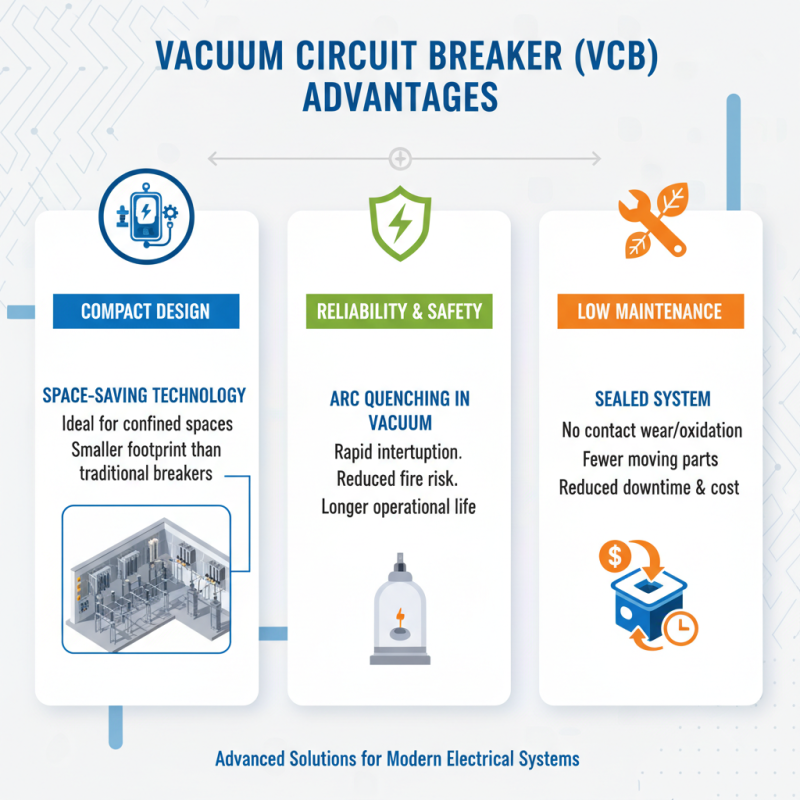
Vacuum circuit breakers (VCBs) are increasingly popular in electrical systems due to their unique advantages. One of the primary benefits of VCBs is their ability to operate effectively in environments where space is limited. Since they use a vacuum to interrupt current, they can be designed in a more compact form compared to traditional circuit breakers, making them suitable for confined spaces in substations and industrial settings.
Another significant advantage of vacuum circuit breakers is their superior insulating properties. The vacuum environment eliminates the need for additional insulating mediums like oil or gas, thus reducing the risk of environmental contamination and improving the safety of electrical systems. This feature also contributes to less maintenance as there are fewer elements that can degrade over time.
Tip: When considering the installation of vacuum circuit breakers, ensure that you assess the specific requirements of your electrical system, including load capacity and environmental factors. This will help you choose the right type of VCB for optimal performance and longevity. Additionally, regular inspections can further enhance the reliability of your system.
The durability of vacuum circuit breakers is another compelling reason for their adoption. They have a long service life with minimal wear due to the absence of arcing in a vacuum, leading to fewer replacements and lower lifetime costs. This reliability not only saves money but also ensures uninterrupted power supply in critical applications.
Applications of Vacuum Circuit Breakers in Industry
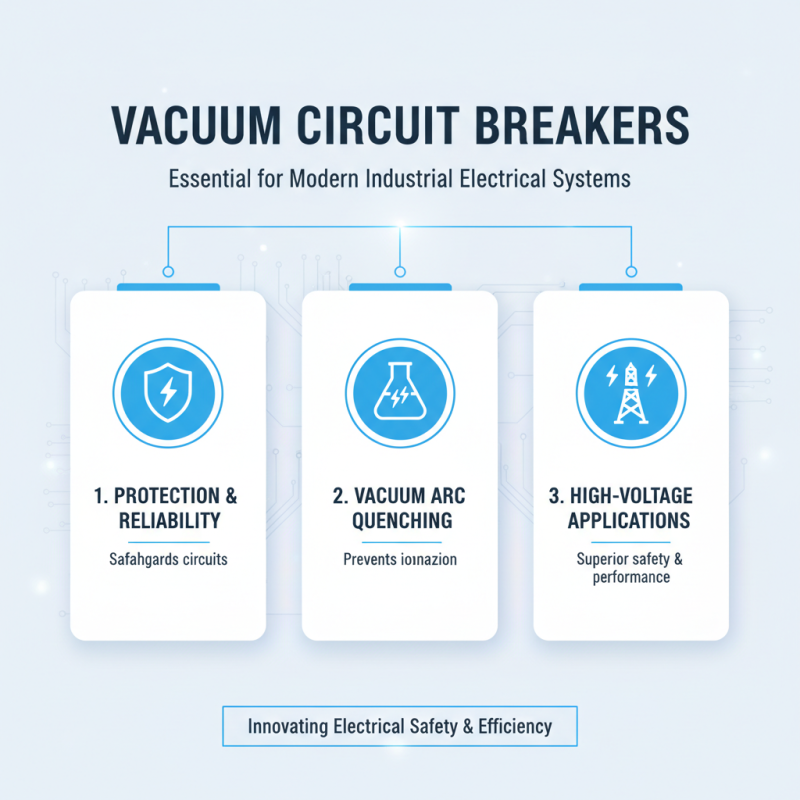
Vacuum Circuit Breakers (VCBs) are essential components in modern industrial electrical systems, providing both protection and reliability for electrical circuits. These devices operate by creating a vacuum environment in which the electrical contacts can open and close without the interference of ionization that occurs in air. This unique mechanism allows VCBs to extinguish electrical arcs effectively, making them ideal for high-voltage applications where safety and performance are paramount.
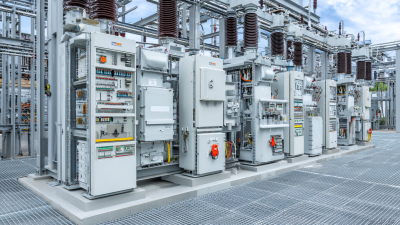
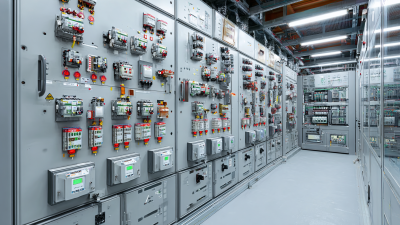
In industrial settings, VCBs are commonly used in substations, power distribution systems, and various manufacturing processes. They play a crucial role in protecting equipment from overloads and short circuits, ensuring smooth and uninterrupted operations. Many industries, including mining, oil and gas, and manufacturing, rely on VCBs for their ability to handle high fault currents while requiring minimal maintenance. Their compact size and efficient design also contribute to the space-saving advantages in crowded electrical rooms and substations.
**Tips:** When selecting a vacuum circuit breaker for industrial applications, consider factors such as the voltage level, interrupting capacity, and operational environment to ensure optimal performance. Regular maintenance and inspection are vital to extend the lifespan of VCBs and enhance their reliability. Additionally, training personnel on the proper operation and troubleshooting of VCBs can further improve safety and efficiency within the electrical system.
Maintenance and Safety Considerations for Vacuum Circuit Breakers
Maintenance of vacuum circuit breakers (VCBs) is essential to ensure their reliable operation and longevity in electrical systems. Regular inspection and testing are crucial for identifying any wear or potential failure points. This includes checking the mechanical components, such as the operating mechanism and contacts, to ensure they are functioning smoothly. It is also important to clean the insulating surfaces to prevent contamination, which can lead to tracking and arcing. Scheduled maintenance should follow the manufacturer's guidelines, taking into account the frequency of operations and environmental conditions.
Safety considerations when dealing with vacuum circuit breakers cannot be overlooked. Personal protective equipment (PPE) must be used during maintenance tasks to protect against electrical hazards. Technicians should be trained in the proper handling of high-voltage equipment and follow lockout/tagout procedures to prevent accidental energization during maintenance. Additionally, it is vital to ensure adequate grounding of the system to protect personnel and equipment. Regular training and updates on safety protocols will equip maintenance teams with the knowledge to handle unforeseen situations confidently, further enhancing the safety and reliability of electrical systems.
Revolutionizing Power Distribution: The Advantages of the ZW32-24 (G) Outdoor High Voltage Vacuum Circuit Breaker
The ZW32-24(G) Outdoor High Voltage Vacuum Circuit Breaker represents a significant advancement in power distribution technology. Designed for three-phase AC 50Hz applications with a rated voltage of 24kV, this circuit breaker is adept at handling various load currents and is particularly suitable for frequent operations. Its robust construction allows it to effectively manage the construction and transformation of power equipment across diverse settings, including urban grids, rural areas, mines, and railways.
One of the standout features of the ZW32-24(G) circuit breaker is its miniaturization and maintenance-free design, which makes it an intelligent choice for modern power distribution needs. As urban power grids expand and power loads increase, traditional 10kV voltage levels have increasingly struggled to meet the evolving demands. The shift to a 24kV supply voltage addresses critical issues such as long power supply distances and high line loss rates, significantly improving voltage quality. This enhanced capability not only boosts power supply capacity but also contributes to a reduction in power grid losses, ultimately fostering cost savings in grid construction and maintenance.
Built in compliance with stringent technical standards, the ZW32-24(G) circuit breaker is a reliable solution that epitomizes the modernization of power distribution infrastructure, catering to the pressing needs of today's energy landscape.
FAQS
: A vacuum circuit breaker is a device that interrupts the flow of electricity in a controlled manner within a vacuum environment, allowing for rapid arc extinction and enhanced safety in electrical distribution systems.
The main components of a vacuum circuit breaker include moving and stationary contacts, a vacuum interrupter, and a mechanism for operating the contacts.
Vacuum circuit breakers are compact, have superior insulating properties, require less maintenance, offer a long service life, and reduce the risk of environmental contamination compared to traditional circuit breakers.
When a fault occurs, vacuum circuit breakers detect the anomaly and trigger the opening of the contacts, quickly interrupting the electric current to minimize damage and ensure safety.
Maintenance practices for vacuum circuit breakers include regular inspections and testing of mechanical components, cleaning insulating surfaces, and following manufacturer guidelines for scheduled maintenance.
During maintenance, it is crucial to use personal protective equipment (PPE), undergo proper training in handling high-voltage equipment, follow lockout/tagout procedures, and ensure adequate grounding of the system.
Vacuum circuit breakers are commonly used in substations and industrial settings, particularly for high voltage applications where managing electrical loads effectively is critical.
Vacuum circuit breakers have a long service life due to the absence of arcing in a vacuum, which leads to minimal wear and fewer replacements over time.
The use of a vacuum to interrupt current allows for a more compact design of vacuum circuit breakers, making them suitable for confined spaces where traditional circuit breakers may not fit.
Before installation, it is essential to assess the specific requirements of the electrical system, including load capacity and environmental factors, to select the appropriate type of vacuum circuit breaker for optimal performance.
Conclusion
Vacuum Circuit Breakers (VCBs) are essential devices in electrical systems, designed to interrupt the flow of current in the event of a fault. These breakers utilize a sealed environment where the interrupting medium is a vacuum, allowing for efficient operation and minimal arcing. The history of VCBs showcases significant advancements in electrical engineering, leading to their widespread adoption in various industrial applications.
VCBs consist of key components, including contacts, an operating mechanism, and a vacuum chamber, all working together to ensure reliable performance. They offer several advantages, such as compact size, lower maintenance requirements, and enhanced safety features compared to traditional circuit breakers. With their ability to effectively manage electrical faults, Vacuum Circuit Breakers have become integral to modern power distribution systems, making them a popular choice in various sectors where safety and efficiency are paramount.