Leave Your Message

Blog

How to Choose Main Electrical Switchgear?

How to Choose Main Electrical Switchgear?

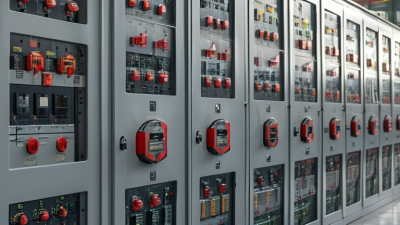
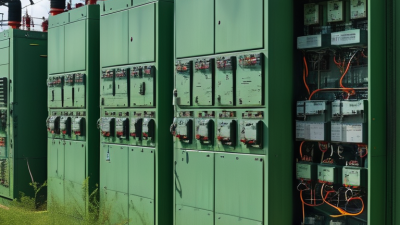
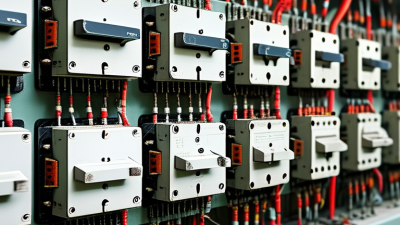
Picking Main Electrical Switchgear isn’t just a purchase. It’s a safety call. It shapes how power gets distributed, how equipment is protected, how easy maintenance will be, and whether you can expand later without headaches. The right setup needs to line up with your voltage, fault level, load profile, environment, and the way the system will actually be run. And honestly, small mistakes can matter a lot. This guide walks through how to judge switchgear using practical engineering criteria. We’ll look at rated current, short-circuit withstand capability, insulation, enclosure protection, busbar design, protection relays, and connection arrangements. It also checks whether the gear allows safe isolation, testing, inspection, and replacement. Depending on where the project is and what’s specified, standards like IEC or UL may come into play. Always verify current requirements with qualified professionals and the relevant authority—don’t just assume. Real projects rarely fit a neat checklist. A compact panel might save floor space, but it can also cramp cable bending and make future work harder. A high interrupting rating can add resilience, sure, but it may also raise cost, size, and installation demands. That trade-off matters. Before approving anything, engineers should dig into load studies, coordination studies, drawings, and manufacturer data. Site experience counts too: dust, humidity, heat, vibration, and hard-to-reach maintenance areas can all change the best choice. Even a polished spec can hide practical weak spots. Without complete information, I might miss a project-specific constraint, so independent verification is still essential. In the end, the selection should balance safety, reliability, lifecycle cost, serviceability, and documented compliance—not just price.
Read more »
Sophia By:Sophia - October 7, 2026
China Top Outdoor Switchgear Manufacturers for Global Buyers

China Top Outdoor Switchgear Manufacturers for Global Buyers

China’s outdoor switchgear scene has really become a go-to sourcing option for utilities, EPC contractors, and folks in renewable energy. According to MarketsandMarkets, the worldwide switchgear market might grow from around USD 103 billion in 2023 to about USD 145 billion by 2028. Meanwhile, Grand View Research highlights that grid expansion, renewable energy integration, and aging infrastructure are the big drivers pushing demand. All these trends make China a top choice when it comes to outdoor switchgear manufacturers for global buyers, and it’s definitely a hot topic in procurement circles. Leading Chinese brands like CHINT, TGOOD, XD Electric, Sieyuan Electric, and Pinggao Group are really making waves. Their product portfolios often include medium-voltage ring main units, outdoor circuit breakers, disconnectors, and prefabricated substations. But here’s the thing — buyers should carefully check for IEC 62271 compliance, short-circuit capacity, enclosure protection ratings, performance at higher altitudes, and resistance to salt-fog, especially for coastal projects. After all, a solar plant inland will have different protection needs than a coastal one — those small details really count. Dr. Klaus Fröhlich, who used to be President of CIGRE, once called the energy transition a “grid transition.” That really hits home because outdoor switchgear isn’t just about the equipment; it’s about infrastructure. Things like factory testing, type-test certificates, traceability of components, and good after-sales support are just as important as price. Just because something’s cheaper doesn’t necessarily mean it’s better value — performance truly matters. That said, market data can be a bit tricky because different sources sometimes use different definitions, so comparisons aren’t always perfect. Before you sign a contract, it’s smart to check out test reports, inspection records, how well delivery went, and whether local support is available. This guide aims to help you navigate Chinese manufacturers based on these practical factors, but keep in mind — no single supplier is perfect for every climate, voltage level, or project timeline.
Read more »
Liam By:Liam - October 2, 2026
How to Choose the Right Electrical Switchgear

How to Choose the Right Electrical Switchgear

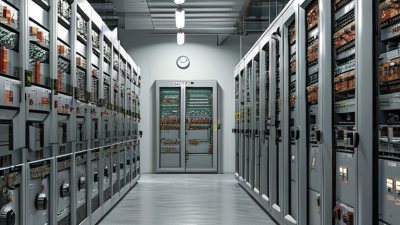
Picking the right Electrical Switchgear isn’t just a matter of comparing prices or cabinet sizes. It’s more about really understanding your needs—things like voltage, current, fault levels, types of loads, environmental conditions, and whether you'll need to expand in the future. Essentially, a switchgear system needs to keep people safe, protect your equipment, and maintain continuous power, whether things are running smoothly or there’s a hiccup. In real life, seasoned engineers usually start by checking out the site itself. They look at how much space there is, cable routes, the ambient temperature, humidity levels, dust, and how easy it’ll be for maintenance. Sometimes, a compact panel might seem perfect because it fits the space, but it might leave no safe working clearance—big mistake that can cause delays and costly modifications down the line. Engineers also review important details like short-circuit ratings, insulation standards, protection settings, metering requirements, and how well everything will match up with transformers, generators, and control systems. And it’s super important to review test reports and certifications from manufacturers—don’t just accept them at face value. There’s no one-size-fits-all “best” solution here. For instance, a factory might need heavy-duty metal-clad switchgear, while a commercial building might care more about coordination, monitoring, and easy maintenance. Then again, local electrical codes and accepted standards should always guide your final choice. It's always smart to have qualified pros double-check calculations and installation conditions—no checklist covers everything. Even the best teams might miss something like heat buildup or future load increases. That’s why site visits, documented assumptions, and independent design reviews are so crucial. Ultimately, the right electrical switchgear balances safety, reliability, ease of maintenance, and cost over its lifespan. It should keep working smoothly for years—even after the original project team has moved on. So yeah, choosing the right gear might seem complicated at first, but with a good understanding and careful planning, you can make a solid choice that lasts.
Read more »
Liam By:Liam - September 29, 2026
10 Best Electrical Transformers for Global Buyers in 2026

10 Best Electrical Transformers for Global Buyers in 2026

You probably don't hear much about electrical transformers—they rarely hit the headlines. But truth be told, they’re the behind-the-scenes heroes deciding whether a new factory, wind farm, or city substation can connect smoothly and reliably. For buyers around the world, choosing the right transformer isn’t just about comparing prices. Things like voltage class, capacity, cooling methods, energy losses, noise levels, delivery times, and ongoing support all really matter when figuring out what’s worth it. According to the International Energy Agency’s reports on electricity grids and energy transitions, annual grid investments need to top $600 billion by 2030 just to keep up with global demand. Their Electricity 2024 outlook also predicts that worldwide electricity needs will grow at around 3.4% per year through 2026. That definitely means more equipment will be needed—but it’s not as simple as just buying more. Lead times can be long, and local technical requirements can vary quite a bit. Fatih Birol, the IEA’s chief, has said, “You can’t have an energy transition without the grid.” And transformers are right at the heart of that challenge. This guide looks at ten different options for buyers, helping them compare performance, reliability, and support from suppliers in various markets. It considers practical stuff—like the nameplate rating, tap changer options, and whether technicians can easily find replacement parts. Seeing a high efficiency rating? That’s a good sign, but it’s not everything. Buyers should also check test reports, warranty details, and standards applicable in their country before making a move. No matter how well a supplier seems to fit, a detailed engineering review specific to your site is still the way to go—because every project has its quirks, and even the best supplier might not be the perfect match for every situation.
Read more »
Isabella By:Isabella - September 25, 2026
What Is a Three Phase Transformer and How Does It Work?

What Is a Three Phase Transformer and How Does It Work?

A three-phase transformer might not be the loudest piece of equipment around, but trust me, it's absolutely essential in today's electrical grids. Basically, it’s the device that helps transfer alternating current (AC) energy between circuits, all while stepping voltage levels up or down as needed. What’s pretty neat is that it has three windings working together, with voltages separated by 120 degrees—kind of like a well-orchestrated dance. This setup helps ensure power is delivered smoothly and evenly, allowing for smaller wires and more efficient motor operation. You’ll often find these transformers in substations, where they step down really high transmission voltages so they’re safe for factories and other industrial sites. Inside, it’s a bit of a chemical-blend of copper windings wrapped around a laminated magnetic core, all sealed inside a steel tank. The insulating oil not only cools everything down but also helps protect the internal parts from heat and electrical stresses. As Nikola Tesla famously said, “The three-phase system is the most economical system for transmitting electric power.” And even today, that still holds true—ish. Of course, actual performance depends on a bunch of factors like load balance, cooling design, insulation quality, the presence of harmonics, and how well it’s maintained. These transformers can last for decades if taken care of properly, but if connections aren’t solid, or if something overheats, that’s when things get dangerous. Field engineers often check the oil quality, winding resistance, grounding, and even listen for unusual vibrations—those small warning signs can make all the difference. A faint hum? Totally normal. But if the transformer starts running hotter than usual, that’s a red flag. Leading companies like Schneider Electric and Siemens offer technical guides to help ensure safer operation, but nothing beats actually measuring things on-site. It’s all about matching the right capacity, frequency, impedance, and protection systems to your specific conditions. In the upcoming sections, I'll break down how magnetic induction works, how the three phases interact, and how the transformer’s design impacts its overall performance. And here’s a harsh truth—no matter how well it’s built, a transformer can still fail if installation, monitoring, or maintenance aren’t taken seriously.
Read more »
Liam By:Liam - September 21, 2026
Top 10 Switchgear Components Every Buyer Should Know?

Top 10 Switchgear Components Every Buyer Should Know?

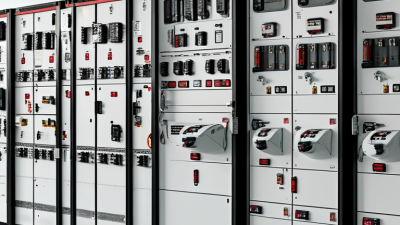
When you're looking to buy medium-voltage or low-voltage switchgear, it's way more than just comparing prices or flipping through catalog pictures. Picking the right components, like switchgear parts, is crucial because they protect your people, equipment, and keep your process running smoothly even under tough conditions. For example, a good circuit breaker should cut off a fault in just milliseconds. A busbar needs to handle current without heating up dangerously. And relays must detect abnormal conditions accurately—even when the settings get pretty complex. In this guide, I’ll walk you through ten key components—things like circuit breakers, disconnect switches, fuses, busbars, current and voltage transformers, protection relays, surge arresters, grounding switches, and enclosures. I’ll explain what each part basically does and what specs you should pay close attention to. Things like rated voltage, short-circuit capacity, insulation class, ingress protection, operating temperature, and how easy it is to maintain. It’s a good idea to check out IEC-based documentation for a solid technical overview, but don’t forget—supplier test reports tend to tell you a lot more than shiny marketing brochures. Brands like Siemens, ABB, and Schneider Electric do publish detailed datasheets, but at the end of the day, every project benefits from some independent verification. Remember, details really matter. Beyond specs, you should also think about practical stuff—like how much space you have for installation, whether spare parts are readily available, if staff training is needed, and how quickly the supplier can respond if something goes wrong. For instance, a compact enclosure might save precious floor space, but it could make maintenance more of a hassle. Or, a cheaper breaker might look like a smart choice initially, but its overall lifecycle costs could end up being higher. There’s no foolproof checklist that can catch everything—skipping over details, unclear wording, or rushing through approvals can still lead to costly mistakes. This article isn’t meant to replace expert advice from a qualified engineer. Instead, think of it as a practical starting point—helping you ask better questions, compare credible vendors, and pick components that genuinely match your electrical system, rather than just going for the most impressive brochure,”
Read more »
Sophia By:Sophia - September 16, 2026
China Top 10 Indoor Circuit Breaker Manufacturers?

China Top 10 Indoor Circuit Breaker Manufacturers?

So, you're curious about the top indoor circuit breaker manufacturers in China? Well, with the growing demand for electricity, upgrades to the grid, and more industrial automation happening all over, China's indoor circuit breaker scene is really picking up speed. The International Energy Agency's Electricity 2024 report even predicts that global electricity needs will keep rising strongly through 2026, and China is right there at the forefront of that surge. All this means that having reliable medium-voltage equipment is more important than ever. In this guide, we're taking a closer look at ten Chinese companies known for their indoor switchgear and circuit breaker solutions. These include big names like CHINT, Delixi Electric, TGOOD, China XD Electric, Pinggao Electric, Sieyuan Electric, TBEA, NARI Technology, Senyuan Electric, and G&W Electric. Their products are used in a wide range of places—factories, commercial buildings, substations, data centers, even renewable energy projects. Honestly, the applications are all over the place. Now, details really matter here. The China Electricity Council’s stats show that investments are still pouring into transmission, distribution, and power quality infrastructure. For those of you checking the specs, IEC 62271-200 is basically the go-to standard for metal-enclosed switchgear over 1 kV. So, when shopping around, make sure to compare things like rated voltage, short-circuit breaking capacity, insulation, mechanical endurance, and how safe and sturdy the enclosure is. Sure, a compact Indoor Breaker might look super efficient, but don’t forget—if it’s a pain to access for maintenance, that can seriously affect how good it really is. Just a word of caution: this isn’t a perfect or completely neutral ranking. Different manufacturers report different data, and some specs need a bit of a double-check—you might have to verify certain technical details directly. Things like certification scope, factory testing, after-sales support, and how quickly they deliver are just as important. Usually, what you see on brochure pages doesn’t tell the whole story. Actually, real-world installations tend to reveal some issues that marketing materials often overlook. So, in this overview, I’ve focused on what really counts—product performance, the credibility of engineering, how well these companies are doing in the market, and whether their solutions match real-world needs. It’s not just about the brand name; it’s about practical, reliable solutions that work in the field.
Read more »
Isabella By:Isabella - September 11, 2026
2026 Best Control Transformer Types for Global Buyers

2026 Best Control Transformer Types for Global Buyers

Back in 2026, when global buyers are shopping for a Control Transformer, they need more than just a cheap price tag. Whether it’s factory automation, renewable energy setups, or machine tools, what really matters is having a stable control voltage—especially as loads change throughout the day. The International Energy Agency’s Electricity 2024 report predicts that worldwide electricity consumption will be climbing by about 4% every year until 2026. And that kind of growth puts extra pressure on control panels, distribution gear, and maintenance crews alike. When it’s time to choose, it all starts with understanding the application. For indoor industrial settings, dry-type transformers are often the way to go—you know, they don’t use liquid insulation, so maintenance tends to be simpler. On the other hand, oil-filled models can handle bigger capacities, but they come with more planning, especially since fire safety and installation rules get stricter. Isolation transformers can help cut down electrical noise, and autotransformers are often a more compact, cost-effective choice. It’s always a good idea to keep IEC 61558 on your radar—that standard covers safety and control aspects for transformers. Oh, and don’t forget to compare things like thermal class, insulation type, short-circuit tolerances, frequency, enclosure ratings, and regional voltage requirements to make sure you’re getting what fits your situation. If you’re browsing, say, the BK-1000VA Dry Type Transformer 220V/380V BK Power Transformer Machine Tool BK Control Transformer, keep in mind that product names can sometimes hide key differences. A 1,000 VA rating might sound enough, but it might not handle motor inrush current or multiple solenoids running at once. It’s always smart to measure your actual load and leave some margin for safety. And don’t forget to double-check terminal markings and ask for factory test reports—they can save you a headache later. Research from Grand View Research and MarketsandMarkets shows that industry electrification and automation are still major factors driving demand for transformers. Their market insights emphasize the importance of a careful, specification-focused buying process. But remember, forecasts aren’t guarantees. Field conditions can be unpredictable, and even reputable suppliers sometimes offer models that aren’t quite right for your needs. This guide aims to walk you through the best types of Control Transformers for global buyers—focusing on safety, reliability, easy service access, and overall value in operation. So, take your time, check your specs, and choose smartly—that’s the way to keep your equipment running smoothly and safely.
Read more »
Sophia By:Sophia - September 8, 2026
Top Gis Switchgear Suppliers for Global Buyers Need?

Top Gis Switchgear Suppliers for Global Buyers Need?

In the fast-paced world of electrical engineering, Gis Switchgear really stands out as a key piece of modern power systems. You’ll find plenty of top companies specializing in Gis Switchgear, offering a pretty wide range of solutions tailored to meet the needs of customers all over the globe. These aren’t just manufacturers—they’re truly pushing the envelope when it comes to innovation, making sure things run smoothly and reliably in electrical distribution. Big names like Siemens, Schneider Electric, and ABB have built solid reputations over the years. Their know-how in Gis Switchgear is backed by plenty of experience and some seriously advanced tech. That means their products usually boost performance and keep downtime to a minimum. But, as the market keeps changing, it’s really important for potential buyers to take a close look at what each supplier offers. Picking the right Gis Switchgear supplier isn’t a decision to take lightly. You’ll want to think about their track record, how good their customer support is, and the overall quality of their products. Not all options are created equal, and sometimes, you might run into products that aren’t as reliable as you'd hope. That’s why it pays to do your homework, look into past experiences, and gather as much info as possible. With the right facts in hand, buyers from around the world can make smarter choices in this complicated market.
Read more »
Sophia By:Sophia - September 1, 2026
Top 10 Tips for Choosing the Right Switchgear Cabinet

Top 10 Tips for Choosing the Right Switchgear Cabinet

Choosing the right switchgear cabinet is pretty important when you're setting up any kind of electrical system. It's not just about looks—it actually plays a big role in protecting your equipment and keeping everything running smoothly. With so many options out there, it can sometimes feel a bit overwhelming trying to pick the perfect one. Things to think about include the size, the type, and the environment where it'll be used. A lot of companies tend to overlook just how crucial quality really is. Sure, a cheaper switchgear cabinet might save you some bucks upfront, but trust me, it can end up costing you a lot more in the long run with failures and repairs. Reliability should really be your top priority. The best cabinets tend to be sturdy and well-designed—you know, built to last. It’s definitely worth doing some homework and choosing reputable manufacturers. And hey, don’t be afraid to ask experts—people who actually know their stuff—and get advice tailored to your specific needs. Sometimes, features that seem nifty might not even be necessary for what you're doing. It’s easy to get carried away with all the latest tech, but the key is to focus on what genuinely works for your operations. Taking the time to make an informed choice will pay off in the long run, ensuring safety and peace of mind. Hopefully, that gives you a better idea—making smart choices now can save you headaches later!
Read more »
Isabella By:Isabella - August 20, 2026
What to Consider When Choosing a Switchgear Cabinet?

What to Consider When Choosing a Switchgear Cabinet?

Picking the right Switchgear Cabinet is a pretty big deal when it comes to electrical systems. Did you know that, according to MarketsandMarkets, the global switchgear market is projected to hit around USD 130 billion by 2025? That's a hefty number, and with a growth rate of about 7.5% year over year, it kinda underscores how important it is to choose reliable, solid switchgear solutions. After all, the safety and efficiency of your power distribution really depend on picking the right cabinet. When you're in the market for a Switchgear Cabinet, there are a few things to keep in mind—like size, the material it's made of, and the environmental conditions it’ll have to handle. Industry standards such as IEC and IEEE guidelines are there to guide you, making sure you don’t overlook critical details. For example, if you’re installing a cabinet outside, it better be tough enough to handle harsh weather. Picking the wrong one can lead to costly failures or even safety accidents—nobody wants that! And hey, don’t forget—getting advice from experts can save you a lot of headaches. Talking to manufacturers like Schneider Electric or Siemens can give you the scoop on the latest tech and what's really worth it. Sometimes, it’s tempting to just go with your past experiences or guesswork, but that can backfire big time. Remember, choosing the right Switchgear Cabinet isn’t just about ticking boxes for now; it’s also about thinking ahead for future needs and making a smart investment that pays off in the long run.
Read more »
Sophia By:Sophia - August 16, 2026