The demand for energy-efficient solutions is really boosting the growth of the Electronic Transformer market. Honestly, if you look at recent years, the global market for these transformers has been on a serious rise — I mean, it was valued at about $1.4 billion in 2021, according to Market Research Future. And get this — they’re estimating it could hit around $2.2 billion by 2027. That just goes to show how vital these little components are in today’s electronic gadgets.
Electronic Transformers are pretty essential when it comes to converting electrical energy efficiently. You’ll find them pretty much everywhere — from telecom systems and cars to renewable energy setups. Big names like ABB and Siemens are really pushing the envelope, investing tons into developing smarter, more advanced transformer tech. But, it’s not all smooth sailing. The market faces some real hurdles, like overheating issues and efficiency drops in certain designs, which means companies need to keep innovating and refining their engineering.
As technology keeps advancing, it’s super important for folks in the industry to know which electronic transformers are the top performers. Making an informed decision can really make a difference — whether it’s about performance or saving some cash. So, with that in mind, I’ve put together a quick overview of the top 10 electronic transformers out there today. I hope it gives you some good insights into what they’re used for, their benefits, and where they might still have room to improve.

Electronic transformers play a crucial role in modern electrical systems. Their primary function is to convert voltage levels efficiently and safely. According to industry reports, the global electronic transformer market is expected to reach USD 15 billion by 2025, driven by increased demand for renewable energy and energy-efficient solutions. The rise in smart grid technology also highlights the significance of these devices in improving energy management.
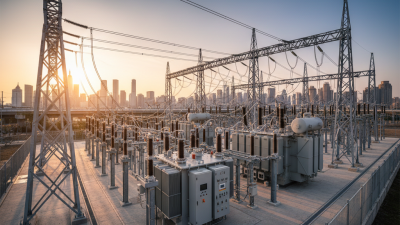
The 10kv Electronic Transformer illustrates this importance well. These transformers are pivotal in medium voltage applications, helping to distribute electricity effectively. They minimize energy loss during transmission, which is vital in today's energy-conscious world. Yet, despite their benefits, some challenges remain. Efficiency can vary based on design and installation, leading to potential financial losses if not addressed. Continuous advancements in technology aim to mitigate these issues. However, ongoing research and development are essential for optimizing their performance in diverse conditions.
As the demand for sustainable energy solutions grows, understanding electronic transformers—especially models like the 10kv Electronic Transformer—becomes increasingly significant. Their role in enhancing the reliability of energy distribution cannot be underestimated. Yet, the industry must remain vigilant in addressing the challenges that accompany technological evolution.
| Model | Input Voltage (V) | Output Voltage (V) | Power Rating (W) | Efficiency (%) | Weight (kg) |
|---|---|---|---|---|---|
| Transformer A | 220 | 12 | 60 | 85 | 1.5 |
| Transformer B | 110 | 24 | 75 | 90 | 1.2 |
| Transformer C | 230 | 48 | 100 | 92 | 1.8 |
| Transformer D | 220 | 15 | 50 | 88 | 1.4 |
| Transformer E | 120 | 36 | 80 | 87 | 1.3 |
| Transformer F | 240 | 20 | 65 | 91 | 1.6 |
| Transformer G | 230 | 30 | 90 | 89 | 1.5 |
| Transformer H | 120 | 48 | 100 | 86 | 1.7 |
| Transformer I | 210 | 12 | 70 | 84 | 1.9 |
| Transformer J | 240 | 24 | 85 | 93 | 2.0 |
When selecting electronic transformers, several key features stand out. Efficiency is paramount. A high-efficiency transformer minimizes energy loss, thus saving on electricity costs. This consideration is crucial for both industrial and residential applications. Look for transformers that indicate a high efficiency rating.
Another important aspect is voltage compatibility. Ensure that the transformer can handle the required voltage levels of your system. For example, a BK-1000VA Dry Type Transformer 220V/380V offers versatility for various setups. This flexibility is invaluable in different scenarios.
Size and weight also matter. A compact design can enhance installation options. Yet, don't sacrifice capacity for size. Balancing these factors ensures optimal performance. When evaluating transformers like the BK Control Transformer or similar models, scrutinize the specifications. Reflecting on your specific needs helps avoid overspending on unnecessary features or underestimating the power required.
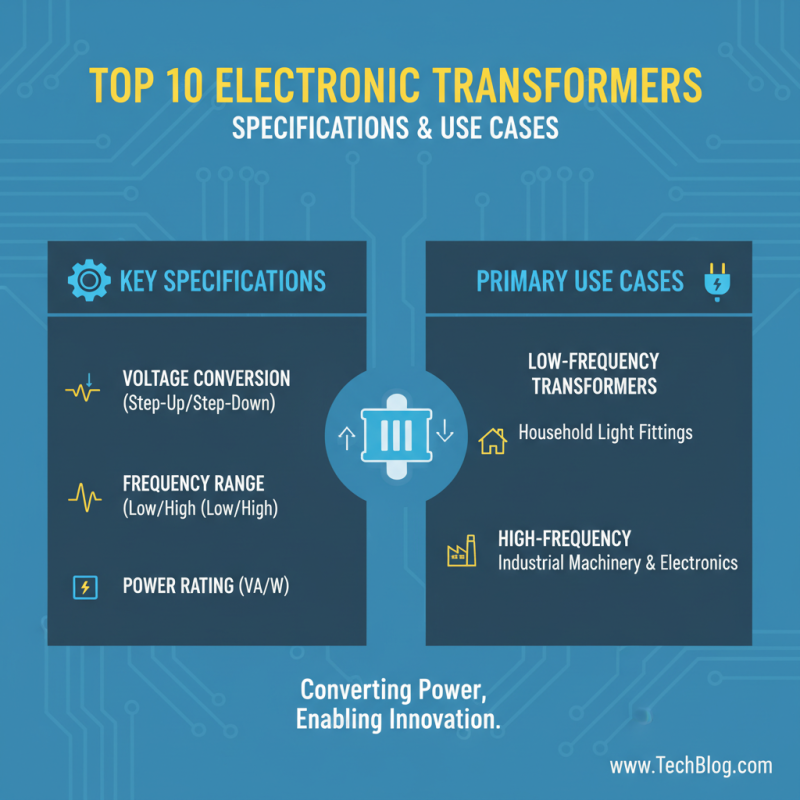
When exploring electronic transformers, specifications matter significantly. These devices play a crucial role in converting voltages for various applications. They come in multiple forms, each suited for specific tasks. For instance, a low-frequency transformer may be used in household light fittings, while higher frequency versions suit industrial machinery.
Use cases vary widely. Some transformers are ideal for LED lighting, ensuring efficiency in energy consumption. Others might provide the necessary voltage step-up in audio systems, enhancing sound quality. The construction of these transformers is often tailored to their purpose. That means a compact design for space-limited environments versus a robust design for heavy-duty use.
However, challenges exist. Incorrect specifications can lead to inefficiencies and potential hazards. It's vital to match the transformer with the right application to prevent damage. Attention must be given to installation, as improper handling can cause failures. Balancing power needs with efficiency is an area that warrants further reflection for many users.
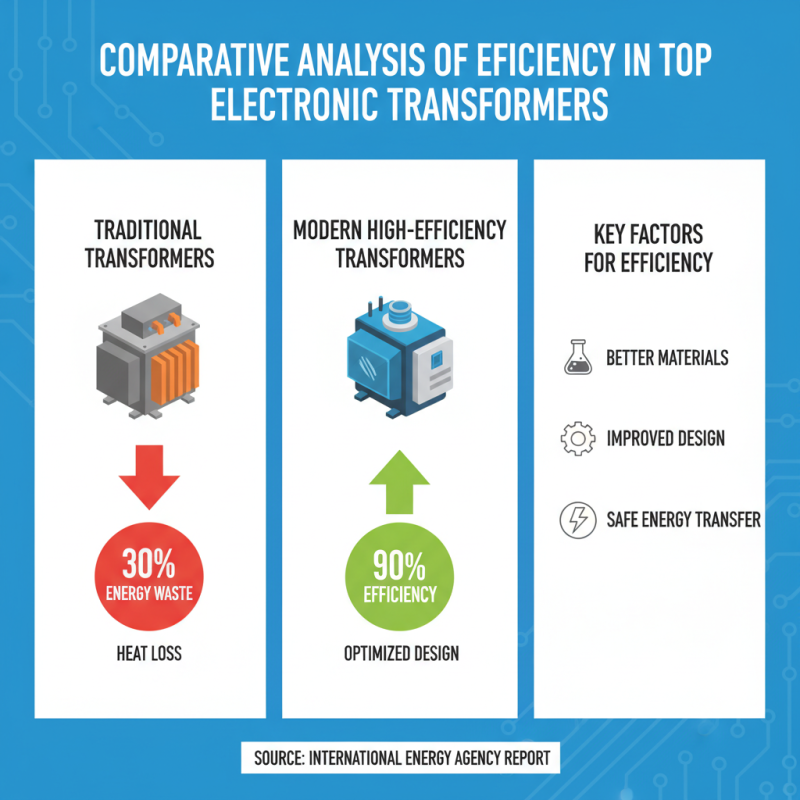
Efficiency is a crucial factor when analyzing electronic transformers. These devices are essential in managing electricity and ensuring safe energy transfer. A recent report from the International Energy Agency indicates that poorly designed transformers can waste up to 30% of energy through heat loss. This inefficiency highlights the need for better materials and designs in Hv Transformers.
In contrast, advanced models of electronic transformers show impressive efficiency rates, reaching above 98%. This leap in performance can be attributed to the use of high-quality core materials like silicon steel. Reports suggest that the significant reduction in energy loss not only lowers operational costs but also aligns with global sustainability goals. The need for improvement is evident; many existing transformers still fall short in optimizing efficiency, with outdated designs remaining prevalent.
Moreover, even the most efficient Hv Transformers require regular maintenance to maintain performance. Specific models exhibit a decline in efficiency after years of use, emphasizing a significant area for reflection. The importance of routine checks cannot be overstated in ensuring longevity and reliability. Continuous innovation and awareness can drive the industry towards more efficient and sustainable solutions, ultimately benefiting users and the environment alike.
In 2023, the electronic transformer market has evolved significantly. Recent market reports indicate a steady growth rate of 5.7% annually. This surge is driven by advancements in energy efficiency and the growing trend of smart lighting systems. Consumers increasingly seek solutions that reduce energy consumption and enhance functionality.
Several popular models stand out this year. Many consumers prefer lightweight, compact designs that fit various applications seamlessly. Notably, these transformers often feature integrated dimming options and are compatible with LED technology. Industry experts emphasize the importance of selecting models that meet safety standards.
However, reliability remains an area for caution. Some lower-quality models can cause flickering or even overheating. The balance between cost and quality is often challenging for buyers. It's crucial to research user reviews and performance metrics before making a selection. Finding the right electronic transformer can optimize energy use and improve overall system performance.
The electronic transformer technology is evolving rapidly, driven by the need for efficient power conversion. Recent reports indicate that the global market for electronic transformers is expected to exceed $20 billion by 2025, growing at a CAGR of around 8%. Innovations in materials, design, and applications are paving the way for smarter and more efficient transformers.
Improvements in core materials and switching technology increase the efficiency of Transformer Hv, resulting in lower losses. According to industry surveys, efficiency rates exceeding 90% have been achieved, significantly impacting energy consumption. Enhanced thermal management systems further boost performance. As manufacturers focus on producing lighter and more compact transformers, the trends favor portability alongside efficiency.
Tips: When selecting electronic transformers, always compare efficiency ratings. Look closely at warranties and service agreements. It’s crucial to investigate the reputation of manufacturers to ensure reliability and durability. Exploring the latest designs in electronic transformers reflects an adaptability to emerging challenges. Investing in the right technology today means preparing for tomorrow's demands.
Electronic transformers play a crucial role in various industries. They are used widely in power supply systems to convert electrical energy. One common application is in home appliances, where they ensure efficient energy usage. These transformers help regulate voltage, making devices safer and more reliable.
In the lighting industry, electronic transformers drive low-voltage lighting systems. Their compact design allows for easy installation in smaller spaces. However, reliance on these transformers can lead to overheating issues. Ensuring proper ventilation is essential to avoid damage.
In automotive applications, electronic transformers manage power distribution. They assist in charging batteries and powering electronic components. Yet, their performance can vary under extreme temperatures. Engineers must account for this variability to maintain reliability. These examples highlight the importance of electronic transformers across different sectors. Identifying their strengths and weaknesses is crucial for optimal use.
: Electronic transformers convert voltages for various applications, including lighting and industrial machinery.
Correct specifications prevent inefficiencies and potential hazards in applications.
Transformers come in different forms, suited for tasks like LED lighting or audio voltage step-up.
Look for compact designs, safety standards, and compatibility with LED technology.
They can cause flickering, overheating, and may not meet efficiency needs.
Research user reviews and performance metrics to make informed decisions.
Innovations focus on improved materials, compact designs, and higher efficiency ratings.
Efficiency rates exceeding 90% are now achievable, significantly reducing energy consumption.
Improper installation can lead to failures and risks, emphasizing careful handling.
Adapting to emerging challenges while maintaining efficiency and portability is essential.
Electronic transformers play a critical role in modern electrical systems, providing efficient voltage conversion for various applications. Understanding their significance, key features, and specifications is essential for selecting the right model for specific needs. In the article, we explore the top ten electronic transformers, detailing their functionalities and use cases, along with a comparative analysis of their efficiency.
Additionally, we delve into the popular brands in 2023 and highlight the latest innovations and trends shaping the future of electronic transformer technology. With insights into common applications across different industries, this comprehensive overview serves as a valuable resource for anyone looking to enhance their knowledge of electronic transformers and their applications in today's technological landscape.