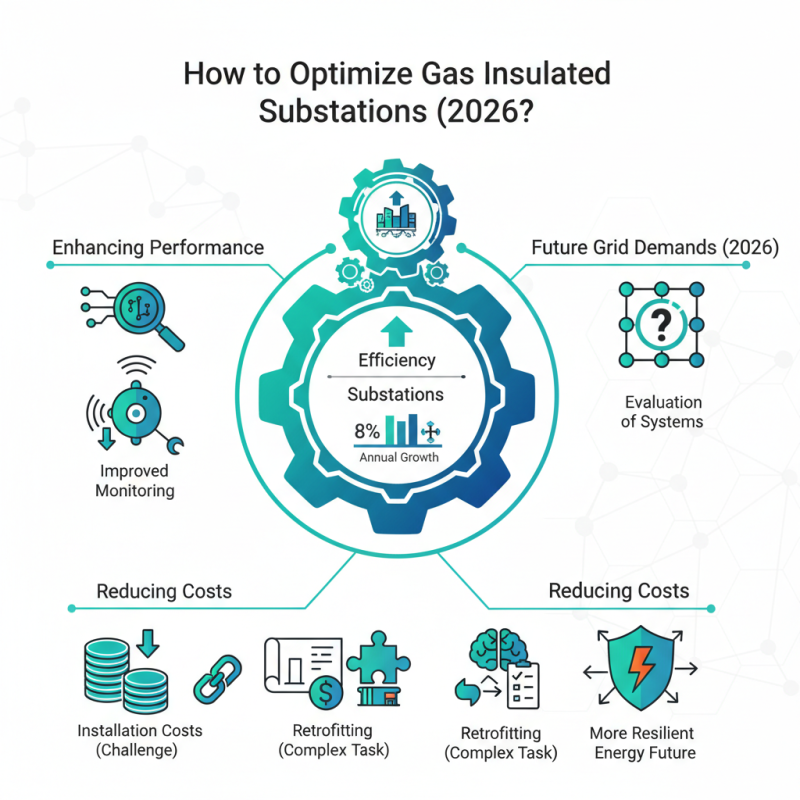
You know, the demand for reliable and sustainable power solutions is really picking up speed. Looking ahead to 2026, Gas Insulated Substations—those GIS setups—are gonna become even more crucial. Industry folks say that the number of GIS installations is expected to grow around 8% each year. And honestly, that's probably because of all the urbanization going on and how everyone’s looking for more compact, efficient ways to get energy. Big players like Siemens and GE are really pushing this forward, but of course, there are still some hurdles to clear.
When it comes to optimizing these substations, it’s all about making them perform better while keeping the costs in check. Even though the tech behind GIS is pretty advanced these days, a lot of existing stations still need upgrades. Take air quality sensors, for example—they can really help with monitoring, but the price to install them can be a sticking point for many companies. Plus, retrofitting older substations isn’t exactly a walk in the park—it can get pretty complicated.
As we get closer to 2026, the big question is whether these strategies will be enough to handle what our future power grids will need. It’s gonna take some careful evaluation of where we’re at now, along with embracing new innovations. Honestly, taking a good hard look at our current infrastructure might just be the push we need for a more resilient and future-ready energy system.
How Gas Insulated Substations Enhance Energy Efficiency for 2026
Gas Insulated Substations (GIS) play a vital role in enhancing energy efficiency. They use advanced technology to reduce space and improve grid reliability. The compact design of GIS allows for installation in urban areas where space is limited. This is crucial for accommodating growing energy demands.
Energy efficiency comes from the minimal environmental impact of GIS. These substations require less maintenance than traditional ones, reducing operational costs. The innovative materials used can withstand harsh conditions, ensuring a long lifespan. However, there are challenges in terms of initial investment. Many operators question the upfront costs versus long-term benefits.
Gis Gas Insulated Switchgear also improves safety. The sealed gas compartments minimize the risk of accidents. Still, it is essential to have clear protocols for maintenance. Operators must remain vigilant. Continuous training and assessment of staff are necessary for effective management. Balancing cost, safety, and efficiency remains a work in progress. Innovations make it promising, but real-world application requires careful thought.
How to Optimize Gas Insulated Substations for 2026? - How Gas Insulated Substations Enhance Energy Efficiency for 2026
| Dimension | 2023 Value | 2026 Projection | Improvement (%) |
| Energy Loss (kWh) | 150,000 | 90,000 | 40% |
| Maintenance Cost ($) | 200,000 | 120,000 | 40% |
| Operational Efficiency (%) | 85% | 95% | 12% |
| CO2 Emission Reduction (tons) | 300 | 500 | 66.67% |
| Grid Reliability (%) | 92% | 98% | 6.52% |
Key Technological Advances in GIS Design and Functionality
Gas Insulated Substations (GIS) are evolving. Recent reports indicate that GIS technology can improve efficiency by up to 30%. Enhanced insulation systems are key advancements. These systems use advanced materials that withstand higher voltages. This results in reduced land use and less environmental impact.
Digital solutions are also transforming GIS design. The integration of IoT sensors enhances monitoring. These sensors collect real-time data on equipment status. Predictive maintenance can cut downtime by nearly 20%. However, deploying these technologies needs careful planning. Cybersecurity threats pose risks to these systems. Addressing vulnerabilities must be a priority.
Moreover, GIS technology is facing challenges in scalability. As demand grows, so does the need for flexible solutions. There's still uncertainty in material costs and availability. Industry experts suggest that ongoing research is crucial. Without innovation, gains may stall. The future of GIS depends on overcoming these obstacles.
Impact of Digitalization on Monitoring and Maintenance of GIS Systems
The impact of digitalization on the monitoring and maintenance of gas insulated substations (GIS) is profound. Advanced analytics can help predict failures before they occur. Sensors can provide real-time data on the condition of Sf6 Gas Insulated Switchgear. This data can reveal issues like gas leaks or overheating components, crucial for maintaining operational integrity. However, not all organizations have embraced these technologies fully.
Digital tools can simplify maintenance tasks and enhance operational efficiency. Remote monitoring can enable quicker response times to potential failure scenarios. Yet, integrating these systems can be challenging. Many workers may struggle with adapting to new technologies, leading to inconsistencies in monitoring practices. Training is often lacking, which can hinder the benefits of a digital transformation.
Furthermore, data security concerns arise with increased connectivity. Cybersecurity risks can threaten the integrity of monitoring systems. Implementing robust security measures is essential. Organizations must reflect on their current capabilities and identify areas for improvement. The journey toward optimized GIS systems by 2026 demands a careful balance between technology adoption and workforce readiness. The focus should be on leveraging digital solutions while ensuring team members are equipped to handle them effectively.
Integration of Renewable Energy Sources with Gas Insulated Substations
The integration of renewable energy sources with Gas Insulated Substations (GIS) is crucial for 2026. As more countries commit to reducing carbon emissions, GIS facilities must adapt. According to the International Energy Agency, global renewable energy capacity will reach over 4,000 GW by 2026. Integrating this energy efficiently remains a challenge.
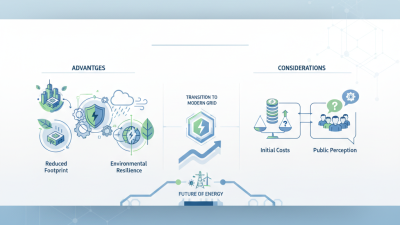
GIS has unique advantages, such as a smaller footprint and enhanced reliability. However, integrating variable renewable sources like solar and wind can create instability. A report by the National Renewable Energy Laboratory highlights that up to 30% of renewable energy can be wasted without proper integration solutions.
**Tip:** Regular testing of GIS components can help identify weaknesses. Innovations such as smart grids should be considered. These can balance supply and demand effectively.
GIS facilities also face aging infrastructure issues. Retrofitting existing stations to handle increased renewable input is often sluggish. Financial constraints and technical limitations hinder progress. A 2023 report from the Electric Power Research Institute emphasizes the need for updated maintenance practices to ensure longevity.
**Tip:** Collaborating with engineering firms can provide the necessary insights for upgrades. Sharing knowledge on best practices encourages the sustainable evolution of technology.
The path to optimal renewable integration with GIS is complex. Acknowledging areas for improvement will be essential in meeting future energy demands.
Evaluating Environmental Benefits of Gas Insulated Substations in 2026
Gas Insulated Substations (GIS) are gaining traction due to their compact design and lower environmental footprint. As we approach 2026, the evaluation of their environmental benefits becomes crucial. GIS can reduce land usage by up to 60% compared to traditional substations. With urbanization increasing, this space efficiency is vital for sustainable development.
The adoption of GIS contributes significantly to lower greenhouse gas emissions. Reports indicate that GIS can reduce emissions by about 25% compared to conventional systems. They also use sulfur hexafluoride (SF6) as an insulator, which has a high global warming potential. However, recent advancements are exploring alternatives to SF6, paving the way for more eco-friendly solutions in the coming years.
Tip: Regular maintenance of GIS can enhance their efficiency and minimize fugitive emissions. Monitoring systems can help identify leaks promptly, preserving both environmental integrity and operational reliability.
Tip: Consider the life cycle impact of GIS components. Assessing materials and recycling options can lead to a more sustainable approach. While GIS technology offers many benefits, continuous evaluation of its environmental effects is essential for realizing its full potential.
Cost-Benefit Analysis of Upgrading Existing Substations to GIS Technology
As we approach 2026, many utility providers are considering upgrading existing substations to gas insulated technology. This transition offers clear benefits, especially in urban areas. GIS technology reduces space requirements significantly. Traditional substations take up much more land, which is increasingly scarce.
A cost-benefit analysis reveals exciting prospects. While the initial investment in 33kv Gas Insulated Switchgear may be high, savings from reduced maintenance and less land acquisition can offset these costs. Additionally, the longevity of GIS systems often surpasses that of conventional setups. However, these upgrades require careful planning and introspection. Utilities must assess their specific needs and long-term goals. Not all existing infrastructures are suitable for immediate conversion.
Integration challenges can be daunting. Some sites may need extensive retrofitting. This process could lead to unintentional project delays. Stakeholders must be vigilant in identifying potential roadblocks. Engaging with experienced professionals can prevent costly mistakes. Thoughtful consideration of all factors will help optimize these upgrades for future demands.
Cost-Benefit Analysis of Upgrading to Gas Insulated Substations (GIS) for 2026
This chart illustrates the cost-benefit analysis of upgrading to Gas Insulated Substations (GIS) for the year 2026. The initial investment is projected at $15 million, with a maintenance cost of $3 million over five years. Operational savings are estimated at $10 million, while the environmental impact cost is around $2 million. Upgrading to GIS technology could provide significant long-term benefits despite the upfront costs.
Future Trends in Gas Insulated Substation Applications and Innovations
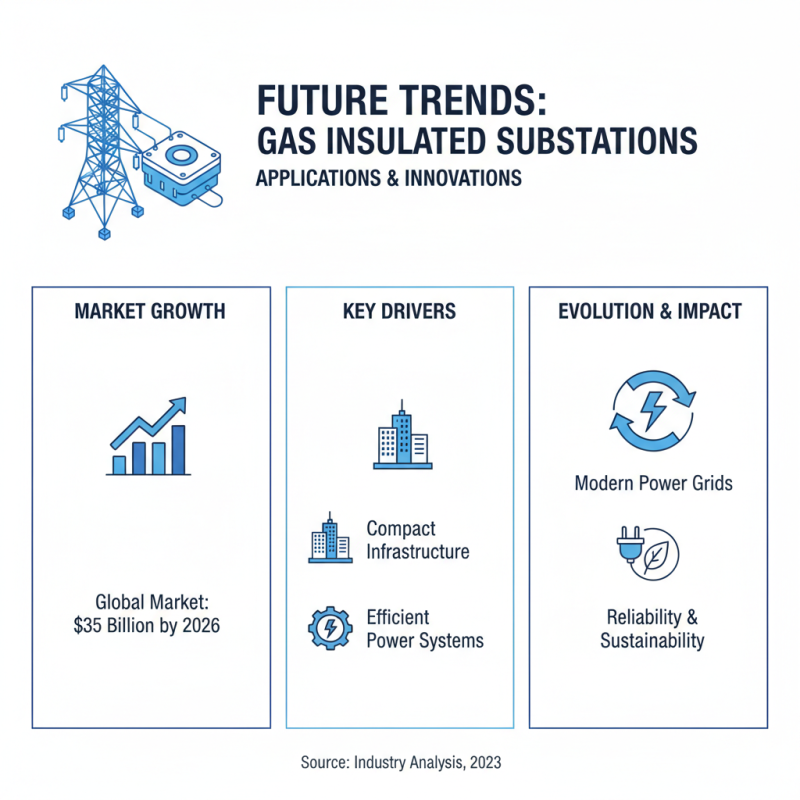
The evolution of gas insulated substations (GIS) is crucial for modern power systems. The global market for GIS is expected to grow significantly, with a projected value of $35 billion by 2026. This aligns with the increasing demand for compact and efficient electrical infrastructure.
Future trends indicate a shift towards enhanced digital integration. Smart grid technologies will likely be pivotal. By incorporating IoT solutions, operators can monitor performance in real-time. Predictive maintenance can reduce downtime, enhancing efficiency.
Moreover, innovations in materials and design can improve safety and sustainability. New eco-friendly gases are emerging as alternatives. This shift is essential as the industry seeks to minimize environmental impact. However, the challenge lies in adapting existing infrastructures to embrace these innovations. For example, retrofitting older substations with 33kv Gas Insulated Substation technology offers potential but requires careful planning and investment. The future of GIS will depend on balancing innovation with practical implementation strategies.
Comprehensive Guide to Three-Phase 10KV Dry-Type Transformers Insulated with Epoxy Resin: Features, Benefits, and Applications
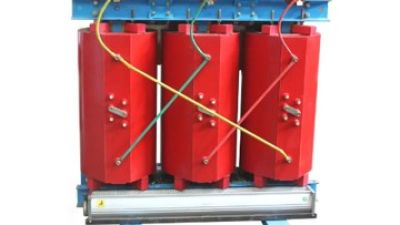
Three-phase epoxy-resin dry-type transformers are engineered to meet rigorous international and national standards, including IEC60076, GB6450, and GB/T10228-1997. This compliance ensures reliability and performance in critical power transmission and distribution systems. One of the standout features of these transformers is their ability to minimize energy losses, making them an energy-efficient choice for both industrial and commercial applications. Their lightweight and compact design not only saves space but also simplifies installation, enabling swift and cost-effective deployment in high-demand environments.
In addition to their efficiency, these transformers boast excellent moisture resistance and robust mechanical durability, characteristic of epoxy resin insulation. This enhances their longevity and performance, particularly in challenging conditions. Their fire-retardant properties further enhance safety, making them suitable for locations with strict regulations regarding fire safety. Moreover, the reduced noise emissions and low partial discharge characteristics ensure a quieter operational environment, making these transformers an ideal choice for urban settings and areas where noise pollution is a concern. With their enhanced overload capacity, three-phase epoxy-resin dry-type transformers are well-suited for dynamic loads, adapting seamlessly to fluctuations in power demand while ensuring reliable service continuity.
FAQS
: GIS is a type of electrical substation that uses gas-insulated technology. It enhances energy efficiency and reliability.
GIS reduces space requirements and maintenance needs while handling increased energy demands. This minimizes environmental impact.
The upfront investment can be high. Balancing costs, safety, and efficiency still requires careful consideration and ongoing efforts.
The sealed gas compartments of GIS reduce accident risks. However, clear maintenance protocols must be established and followed.
Digital solutions, like IoT sensors, improve monitoring and predictive maintenance. They enhance operational efficiency and reduce downtime.
Yes, GIS can integrate renewables, but it can face stability issues with variable sources like solar and wind.
Regular testing and employing smart grids can balance supply and demand more effectively.
Aging infrastructure can slow down upgrades needed for renewable integration, often due to financial and technical limitations.
Operators must update maintenance practices regularly. Collaborating with experts can lead to better insights and sustainable approaches.
The future depends on overcoming challenges like material costs and cybersecurity. Continuous innovation is vital for advancements.
Conclusion
The article titled "How to Optimize Gas Insulated Substations for 2026?" explores the critical role of Gas Insulated Substations (GIS) in enhancing energy efficiency in the upcoming years. It delves into key technological advances in GIS design that improve functionality and reliability. Additionally, the impact of digitalization on the monitoring and maintenance of these systems is emphasized, highlighting how real-time data can optimize operational efficiency.
Moreover, the article discusses the integration of renewable energy sources with GIS, showcasing their potential to support sustainable energy solutions. An evaluation of the environmental benefits of GIS underscores their minimal land footprint and lower emissions compared to traditional substations. A cost-benefit analysis reveals that upgrading existing facilities to GIS technology is economically viable. Finally, the article anticipates future trends in GIS applications and innovations, positioning them as pivotal in the transition towards a more resilient and efficient energy grid by 2026.