Leave Your Message
0%

As our modern electronic devices get more and more complicated, finding smart solutions for power management has never been more important. That’s where an Electronic Transformerreally comes into play. According to a report by MarketsandMarkets, the global market for Electronic Transformers is expected to hit around $5.6 billion by 2025 — which shows just how much we’re relying on these little gadgets.

Dr. Alan White, who’s a top expert in power electronics at PowerTech Solutions, points out that “the Electronic Transformer is absolutely key when it comes to making energy use more efficient across different applications.” That’s a pretty big deal because reducing energy waste means we’re also doing our part to help the environment.

As our devices keep demanding more power, the need for better electronic transformers only grows. But, it’s not all smooth sailing — some challenges still exist. For example, not every electronic transformer on the market is equally efficient. When performance varies, it can lead to unnecessary energy loss, and honestly, that makes us think about the choices we’re making. Investing in high-quality Electronic Transformers can really pay off — they not only cut down on energy use but also help our gadgets last longer."

Why Do We Need an Electronic Transformer for Our Devices?

Importance of Transformers in Electrical Devices

Why Do We Need an Electronic Transformer for Our Devices?

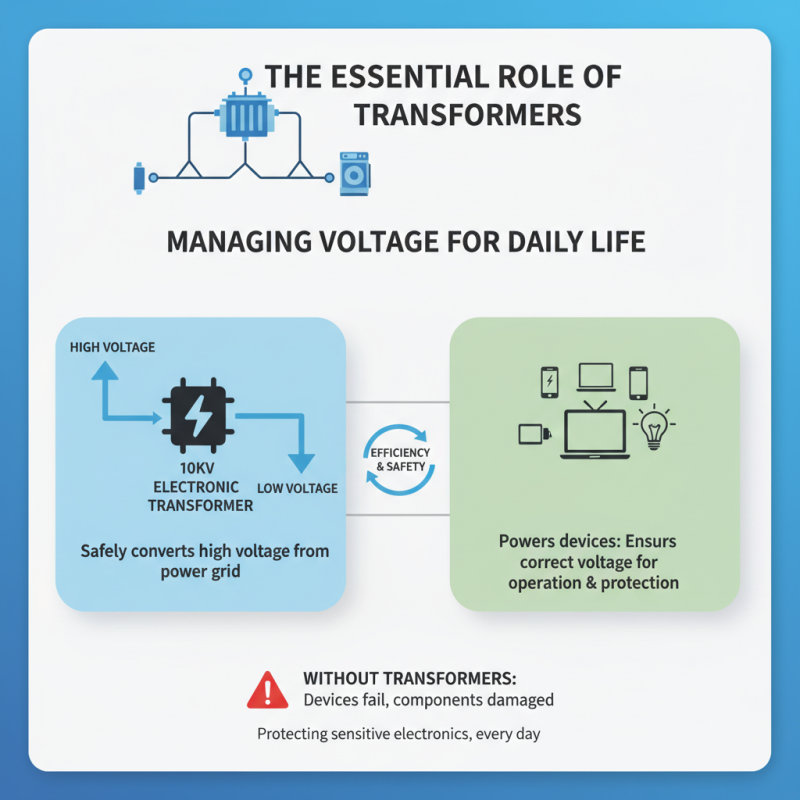
Transformers play a crucial role in our daily electrical devices. They manage voltage levels, ensuring safety and efficiency. Without transformers, many devices would not operate properly. An electronic transformer like the 10kv Electronic Transformer can efficiently convert high voltage to low voltage. This conversion is vital for protecting sensitive components.

The importance of transformers goes beyond voltage management. They stabilize power supply, reducing risks of surges. Inconsistent voltage can damage electronics. A good transformer helps maintain a steady flow. Some designs, however, can be bulky or inefficient. It’s essential to weigh the benefits and drawbacks of different transformer types.

In modern technology, miniaturization is key. Many devices require compact solutions. Yet, smaller transformers can struggle with heat dissipation. It’s a balance between size and performance. Engineers must continually innovate. This ongoing challenge emphasizes the need for better designs. The right transformer can make a significant difference in device functionality.

What is an Electronic Transformer?

An electronic transformer is a device that converts electrical energy from one voltage level to another. It plays a crucial role in modern electronics. Unlike traditional transformers, electronic transformers are smaller and lighter. They are designed to work efficiently with various devices. This efficiency is vital for maintaining power levels in compact devices.

These transformers are often used in low-voltage applications. For example, they can power LED lights and other sensitive equipment. The operation involves switching technology that allows for precise voltage conversion. However, not all electronic transformers are the same. Some may not handle the load properly, causing flickering lights or inconsistent performance.

Understanding how electronic transformers work requires technical knowledge. Users may face challenges in choosing the right transformer for specific devices. Matching voltage requirements can be tricky. In some instances, the wrong transformer can lead to device damage. It's essential to do thorough research before making a selection. Proper installation and compatibility checks are necessary.

How Electronic Transformers Work: A Technical Overview

Why Do We Need an Electronic Transformer for Our Devices?

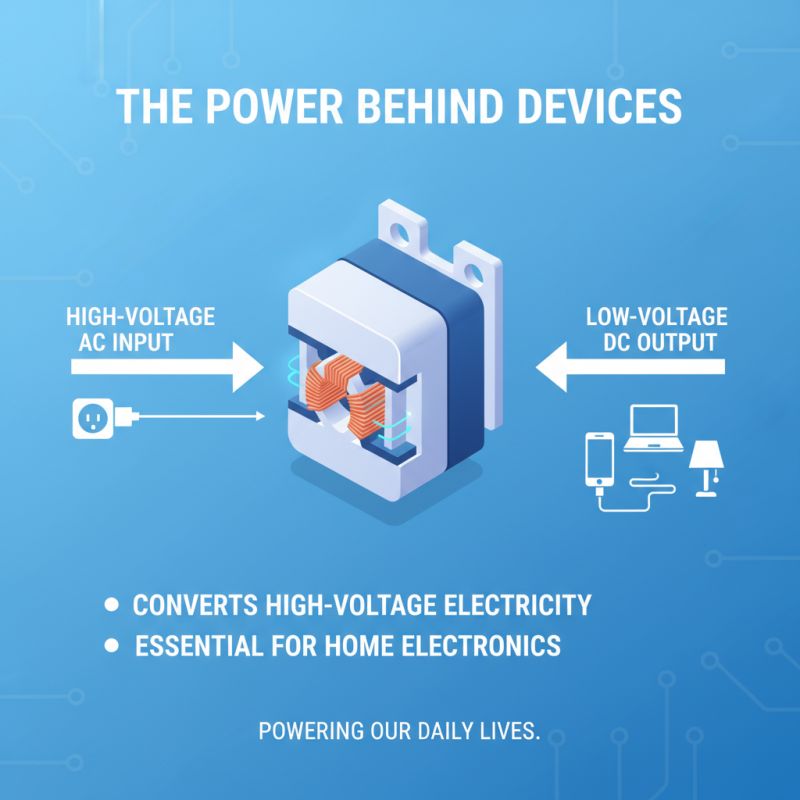
Electronic transformers play a critical role in powering our devices. They convert high-voltage electricity into lower voltage power. This conversion is essential for almost every device in our homes, from chargers to lamps. Understanding their function helps us appreciate the complexities behind our everyday gadgets.

Electronic transformers utilize magnetic fields to transfer energy. When electricity flows through a coil, it generates a magnetic field. This field induces voltage in another coil, allowing for efficient energy transfer. They are smaller and lighter than traditional transformers. However, sometimes they can produce noise when operating. It’s not ideal, but it's a common issue in some designs.

These transformers also face thermal challenges. They can get warm during use, which may affect lifespan. Without proper management, overheating can lead to failures. Routine maintenance or choosing the right transformer can mitigate these risks. In a rapidly evolving tech landscape, understanding these devices is vital, yet often overlooked.

Applications of Electronic Transformers in Modern Technology

Electronic transformers have become essential in modern technology. They provide efficient voltage conversion for various devices. One prominent application is in power tools. For example, the BK-1000VA Dry Type Transformer 220V/380V enhances tools' performance by ensuring a stable power supply. This stability boosts efficiency and reduces downtime.

Another key area of application is in electronic equipment. The BK Control Transformer plays a crucial role in circuits. It regulates voltage levels, ensuring optimal operation of devices. Without these transformers,devices may face issues like overheating or malfunctioning. The importance of having reliable power solutions cannot be overstated.

However, challenges remain in the design and implementation of electronic transformers. Many overlook the impact of poor installation, which can lead to inefficiencies. Upgrading to advanced transformers like the BK Power Transformer Machine Tool can mitigate these risks. Reflecting on these factors is vital for improving technology's reliability and performance.

Advantages of Using Electronic Transformers Over Traditional Transformers

Electronic transformers have become vital in modern devices. They offer several advantages over traditional transformers, making them a better choice for many applications. For instance, electronic transformers are typically lighter and more compact. This has significant implications for consumer electronics where space is limited. According to a 2021 industry report, the global market for electronic transformers is projected to grow at a CAGR of 8.5% over the next five years. This growth underscores the shift towards more efficient technologies.

One standout benefit of electronic transformers is their energy efficiency. They can achieve efficiencies of up to 90%. In contrast, traditional transformers often operate at 70-80% efficiency. This difference can lead to substantial energy savings over time. Additionally, electronic transformers generate less heat. This characteristic enhances device performance and lifespan. However, they can be sensitive to input voltage fluctuations. This requires careful design to ensure reliability.

Noise levels are another area of comparison. Electronic transformers tend to emit less audible noise than their traditional counterparts. This is crucial for devices where noise can be an issue, like in home audio systems. Despite these advantages, implementation can be complex. Adapting existing devices to use Hv Transformers may require significant adjustments, which can be a barrier for some manufacturers. Finding the right balance between performance and complexity is essential.

Why Do We Need an Electronic Transformer for Our Devices? - Advantages of Using Electronic Transformers Over Traditional Transformers

Feature Electronic Transformer Traditional Transformer
Size and Weight Compact and lightweight Bulkier and heavier
Efficiency High efficiency (up to 95%) Lower efficiency (80-90%)
Heat Generation Minimal heat generation Significant heat generation
Noise Level Quiet operation Audible humming noise
Output Voltage Regulation Stable output under varying loads Variable output under load fluctuations
Applications LED lighting, electronics Industrial, heavy machinery

Common Issues and Solutions with Electronic Transformers

Electronic transformers play a crucial role in powering various devices effectively. A common issue arises when these transformers fail to handle the required load. Reports indicate that nearly 30% of electronic transformer failures are linked to overloads. Devices may stop working or exhibit inconsistent performance. This can be frustrating and expensive.

Another frequent problem is overheating. Many electronic transformers, including those labeled Transformer Hv, can overheat during prolonged use. Overheating may lead to damage and decreased lifespan. Industry studies show that excessive heat reduces efficiency by over 10%. A lack of proper ventilation or incorrect installation often causes this issue. Users need to ensure that transformers are correctly positioned to prevent overheating.

Moreover, compatibility is a significant concern. Not all devices work seamlessly with electronic transformers. Mismatched specifications can lead to flickering lights or inconsistent power supply. According to research, approximately 25% of electronic transformer issues stem from compatibility problems. Understanding the specifications and requirements of devices is vital for effective performance. Addressing these common issues helps to optimize the benefits of electronic transformers in our lives.

Future Trends in Electronic Transformer Technology

The future of electronic transformer technology is poised for remarkable advancements. As we transition into a more energy-efficient era, these devices will become pivotal. They ensure stable voltage for various applications, from smartphones to electric vehicles. The rise of renewable energy sources increases the need for efficient power conversion. Electronic transformers play a key role in this transition.

Emerging trends highlight the miniaturization of electronic transformers. Smaller yet powerful designs are becoming feasible. This not only saves space but also allows for more portable devices. However, challenges remain in maintaining efficiency at lower sizes. There is still much to explore in optimizing materials for better heat dissipation.

Furthermore, the integration of smart technology into electronic transformers is on the horizon. Imagine devices that can automatically adjust power levels based on usage. This adaptability could significantly enhance user experience. Yet, it raises questions about reliability and cybersecurity. As technology evolves, the focus will be on creating solutions that meet both performance and safety standards. The journey ahead is exciting but fraught with challenges that demand careful consideration.

Trends in Electronic Transformer Efficiency (2020-2023)

Optimizing Solar Energy with the ZGS-ZG-35/0.315 Photovoltaic Beauty Transformer: A Comprehensive Overview

The ZGS-ZG-35/0.315 Photovoltaic Beauty Transformer represents a significant advancement in solar energy optimization, designed with robustness and efficiency in mind. Its construction features a stainless steel box body and utilizes high-quality car paint to enhance durability, ensuring long-lasting performance even in challenging conditions. This transformer is specifically built to withstand environments characterized by extreme temperature variations, high humidity, and the rigors of wind and sand. This makes it particularly suitable for photovoltaic power stations located in harsh climate zones.

A key feature of the ZGS-ZG-35/0.315 is its thoughtful protective structure, which includes dustproof mechanisms and low-temperature resistance. Such design elements are critical for maintaining safe and efficient operation in demanding weather scenarios. By providing a reliable solution for photovoltaic energy management, this transformer not only enhances energy output but also ensures operational continuity and safety, thereby supporting the growing need for sustainable energy infrastructures in diverse environments.

FAQS

: What services are commonly offered?

: Many providers offer consulting, technical support, and development services.

Can I customize the services to suit my needs?

Yes, many services can be tailored to meet specific requirements. Discuss your needs with the provider.

How can I ensure the quality of services?

Look for reviews and testimonials. Quality varies among providers. Fraudulent claims can happen.

What are the costs associated with these services?

Costs depend on service type and complexity. Be prepared for unexpected expenses.

How do I choose the right provider?

Research their experience and client feedback. Personal recommendations help. No one-size-fits-all solution exists.

What if the service does not meet my expectations?

Address issues directly with the provider. Sometimes, misunderstandings occur. Reflection can lead to better outcomes.

Is there a support system in place post-service?

Many providers offer ongoing support. Ensure to ask about available help after project completion.

Can I switch providers if I am not satisfied?

Yes, it is possible to change providers. Assess the transition carefully to avoid disruptions.

What should I do if I have more questions?

Reach out to potential providers directly. Open dialogue helps clarify concerns effectively.

Conclusion

An electronic transformer is a vital component in modern electrical devices, serving to step down voltage while maintaining efficiency and compactness. By utilizing advanced technology, electronic transformers operate by converting alternating current (AC) into a lower voltage level suitable for various applications, including lighting and power supplies for electronics. Their design enables better energy management, reducing losses compared to traditional transformers.

The advantages of electronic transformers are numerous; they are generally smaller, lighter, and more efficient, making them ideal for consumer electronics and energy-saving devices. Additionally, electronic transformers come with some common issues, such as electromagnetic interference and overheating, but these can often be mitigated with proper design and usage. As technology progresses, the future of electronic transformers promises further innovations, enhancing their role in sustainable energy solutions and smarter electrical systems.
Liam

Liam

Liam is a dedicated marketing professional with an extensive background in power transmission and distribution equipment. Since joining our company, which was established in 2005, he has played a pivotal role in elevating our brand's visibility and credibility in the global market. With a deep......
Previous Mastering Switchgear Equipment: A Comprehensive Guide for Global Buyers