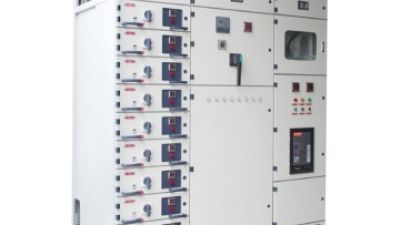
Picking out the right Gis Switchgear can actually be pretty tricky. There are so many options out there, and it’s easy to get overwhelmed. The key is really understanding what you actually need for your setup. Big names like ABB and Siemens have a bunch of different products, each with their own unique features, so it’s all about matching those to what you’re using them for.
When you’re thinking about Gis Switchgear, reliability and efficiency should be at the top of your list. You want a system that keeps things running smoothly without crashing or causing downtime. And don’t forget to check what kind of technical support the manufacturer offers — having someone to call when things go wrong can really make all the difference, especially in urgent situations.
Price? Yeah, that’s always a concern. But here’s the thing—don’t just go for the cheapest option. Sometimes spending a bit more upfront on quality can save you headaches and money in the long run. Cheaper gear might seem tempting, but it could end up costing you more in repairs, maintenance, or even system failures down the line. Remember, investing in good quality Gis Switchgear can really boost your system’s lifespan and performance. Keep these points in mind when you’re making your choice — because what you pick today will definitely impact how smoothly things run tomorrow.
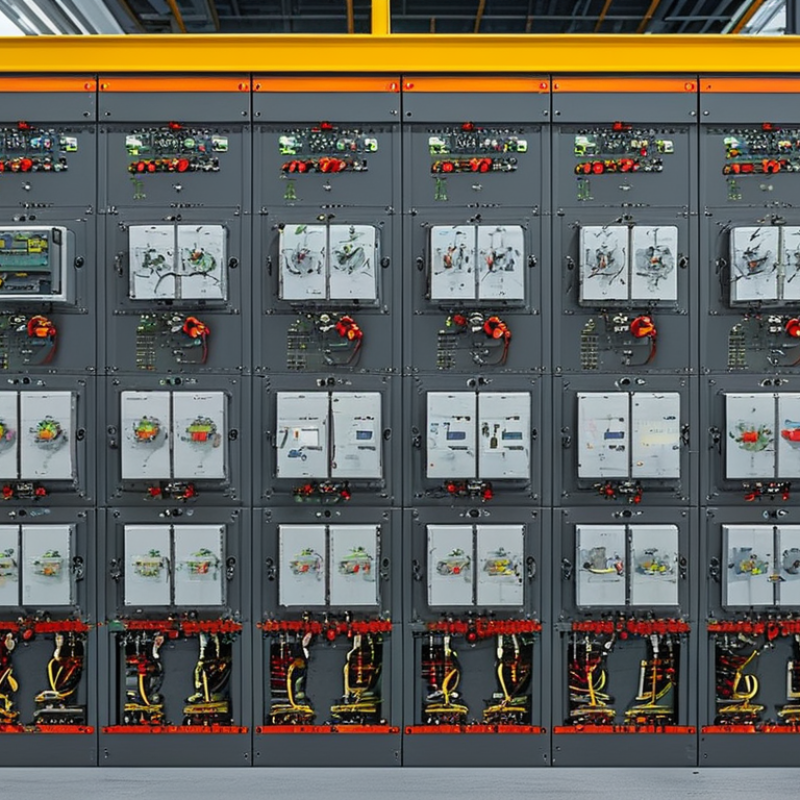
Understanding GIS Switchgear and Its Applications
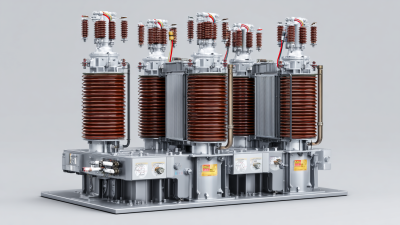
GIS switchgear offers critical advantages in modern electrical systems. It provides a compact and robust solution, crucial for urban environments. With its insulated components, GIS helps reduce space requirements significantly. For instance, a 66kv Gis Switchgear installation can fit into a much smaller footprint than traditional switchgear. This is ideal for cities where space is at a premium.
The applications of GIS switchgear are broad and varied. Industries such as power generation and distribution benefit greatly from its reliability and safety. High voltage switching in confined spaces becomes much simpler. Additionally, GIS is designed to operate under extreme conditions. This resilience is essential for ensuring uninterrupted service. Yet, it requires meticulous planning and design to avoid oversights in installation.
Investing in GIS switchgear does come with its challenges. While costs can be higher upfront, the long-term benefits often outweigh them. Decision-makers must consider the specific needs of their projects. Careful analysis ensures that the selected switchgear meets performance and safety standards. The learning curve associated with these systems can also be steep. Training staff effectively can mitigate potential issues during operation.
Key Factors to Consider When Selecting GIS Switchgear
When selecting GIS switchgear, several key factors should be considered to ensure it meets your operational requirements. One important aspect is the voltage level. For instance, 11kv Gis Switchgear is commonly used for medium voltage applications. It offers compact designs, making it ideal for limited spaces. This form factor can lead to significant savings in installation costs, thereby impacting overall project budgets.
Another factor to examine is the environmental impact. GIS switchgear can operate in harsh conditions while reducing space requirements. A report by the International Energy Agency (IEA) indicates that using compact designs can reduce the carbon footprint of a power distribution system by up to 30%. It's essential to assess the reliability and safety features of the switchgear. That often includes checking for adherence to industry standards, such as IEC and IEEE guidelines.
While considering all these elements, you may also encounter challenges. For example, maintenance requirements can vary significantly among manufacturers. Some designs may need more frequent inspections, raising long-term costs. It is crucial to weigh these operational challenges against the benefits of reliability and durability. A comprehensive understanding of these factors can help you make an informed decision tailored to your specific needs.
Evaluating Voltage Ratings and Specifications of GIS Switchgear
When selecting GIS switchgear, voltage ratings and specifications are crucial. These factors can greatly affect operational efficiency and safety. The voltage rating determines the maximum amount of electrical voltage the switchgear can handle. For example, a 33kv Gis Switchgear is designed for medium voltage applications, suitable for urban and industrial distribution networks. According to industry reports, correctly matching voltage ratings with system requirements can enhance performance and prolong equipment lifespan.
Understanding the specifications is equally important. Key parameters include dielectric strength, short-circuit withstand capability, and operational temperature range. A typical GIS switchgear setup has a dielectric strength of around 15-20 kV per millimeter. This value varies based on the medium and design. Moreover, factors like environmental conditions can impact the performance and reliability of GIS switchgear. It's essential to evaluate how these specifications align with your project needs.
However, it’s common to overlook the significance of operational ratings. Many installations fail due to inadequate assessments of their specifications. The wrong choice can lead to failures, resulting in unforeseen costs. Accessing reliable data is vital. Work with professionals who understand your environmental conditions and operational constraints to ensure optimal equipment selection.
2026 How to Choose the Best Gis Switchgear for Your Needs? - Evaluating Voltage Ratings and Specifications of GIS Switchgear
| Parameter | Description | Example Value |
| Voltage Rating | The maximum voltage the switchgear can operate at safely. | 72.5 kV |
| Current Rating | The maximum current load the switchgear can handle. | 2000 A |
| Short-Circuit Rating | The maximum fault current the switchgear can withstand. | 25 kA |
| Insulation Medium | The medium used for insulation in GIS switchgear (e.g., SF6 gas). | SF6 |
| Operational Method | How the switchgear is operated, either manually or remotely. | Remote Operation |
| Protection System | Type of protection devices integrated into the switchgear. | Digital Protection Relay |
| Physical Size | The dimensions of the switchgear, crucial for installation space. | 3m x 2m x 1m |
| Environmental Rating | Rating indicating suitability for environmental conditions. | IP67 |
Analyzing the Importance of Insulation Types in GIS Switchgear
When selecting GIS switchgear, insulation types play a vital role. This aspect can significantly influence performance and longevity. Different insulation materials, like SF6 gas or solid dielectrics, have unique properties that affect the switchgear's effectiveness. SF6 gas is excellent for high voltage applications, offering superior dielectric strength. Solid insulation, however, provides a more sustainable option with lower environmental impact.
Understanding the implications of insulation types is crucial. Each material carries its strengths and weaknesses. For instance, SF6 is highly effective but can be detrimental to the environment. Solid insulation avoids environmental issues but may require more space. Your choice may depend on specific application requirements and site conditions.
Reflecting on these factors helps in making an informed decision. Too often, companies may overlook insulation's role in overall system reliability. A focus on insulation can lead to better performance and lower maintenance costs over time. It’s important to weigh these considerations carefully. They ultimately contribute to the overall effectiveness of your GIS switchgear.
Assessing Maintenance Requirements for Different GIS Switchgear Types
When selecting GIS switchgear, understanding maintenance requirements is crucial. Different types offer varied maintenance needs, impacting your operational budget and downtime. For example, some models may require regular inspections, while others are less demanding.
Assess your facility's capabilities. Consider if you have the trained personnel needed for intricate maintenance or if you will rely on external services. This choice can affect long-term costs and efficiency. Regularly scheduled maintenance is essential. However, some systems allow for predictive maintenance, which can save money over time.
Tips: Choose equipment with easy access for maintenance tasks. It lowers labor costs and speeds up service. Document maintenance activities meticulously. It creates a clear history, aiding in future reviews. Don't overlook spare parts availability. This ensures quick repairs when needed, minimizing downtime. Reflect on how each type fits your maintenance strategy before deciding. Proper assessment can lead to better performance and reliability.
Comparing Manufacturers and Their Offerings in GIS Switchgear
When considering GIS switchgear, evaluating manufacturers is crucial. Different brands offer various features. The performance and durability of their Gis Gas Insulated Switchgear can vary significantly. Some manufacturers excel in compact design, while others focus on ease of maintenance. This diversity can make the selection process overwhelming.
Examining customer reviews can provide insights into the reliability of a manufacturer. Pay attention to information on service support and warranty options. Some brands may have an impressive initial offering but lack reliable after-sales service. It’s essential to consider long-term support when comparing GIS switchgear suppliers.
Configuration options are another point of consideration. A manufacturer might provide flexible solutions tailored to specific needs. However, not all configurations will meet your operational requirements. Ensure the Gis Gas Insulated Switchgear you choose aligns with your future plans. Reflect on your current and projected power demands. This foresight can help avoid potential pitfalls.
Budgeting and Cost Considerations for GIS Switchgear Investments
Budgeting for GIS switchgear can be challenging. It's essential to assess both initial and long-term costs. First, consider upfront costs, including equipment purchase and installation. Installation often involves site preparation, which can add to the total budget. Additionally, factor in any commissioning fees. These expenses can vary significantly based on the complexity of your setup.
Next, ongoing maintenance costs must be part of your budgeting strategy. GIS switchgear typically requires regular inspections and potential replacements of components. It's crucial to establish a maintenance schedule to avoid unexpected expenditures. For some, the idea of saving on initial costs may lure them. However, it might lead to higher costs in the long run if the equipment fails or needs excessive repairs.
Lastly, evaluate the return on investment. Investing in high-quality GIS switchgear can enhance reliability and efficiency. Yet, it requires careful financial planning. If budgets are tight, consider financing options or phased installations. Understanding the full cost picture will help you make informed decisions. A thorough assessment can prevent budget overruns in the future.
Exploring the Benefits and Applications of MNS Low Voltage Withdrawable Switchgear in Modern Electrical Systems
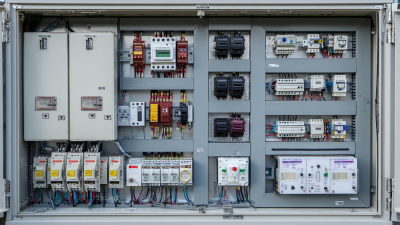
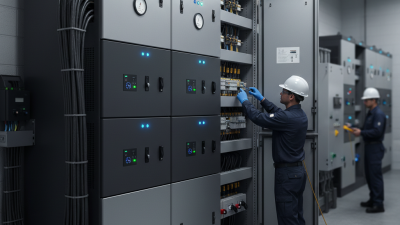
In modern electrical systems, low voltage Withdrawable Switchgear plays a crucial role in ensuring the efficiency and reliability of power distribution. Specifically, MNS withdrawable switchgear exemplifies a modular and multifunctional approach, making it exceptionally suited for a variety of applications. This innovative system is commonly utilized in low-voltage power distribution and motor control, notably in sectors such as metallurgy, petroleum, and chemical industries. The inherent reliability of this system is paramount, as it not only supports the operational integrity of essential infrastructure but also enhances safety and reduces downtime.
The modular design of the MNS enables easy customization and scalability, which is vital for industrial and mining enterprises as well as infrastructural projects that demand flexibility. By allowing for tailored configurations, it meets diverse energy management needs while ensuring compliance with stringent safety standards. The ability to withdraw components for maintenance without disrupting the entire system further contributes to operational continuity and efficiency. With its multifunctionality, the Mns Switchgear optimizes power distribution processes, making it an indispensable asset in today's electrical landscape, where efficiency and reliability are non-negotiable.
FAQS
: GIS switchgear offers compact design and robustness, ideal for urban environments. It greatly reduces space requirements.
Power generation and distribution industries benefit from GIS switchgear’s reliability and safety in high voltage operations.
High upfront costs and a steep learning curve may pose challenges, although the long-term benefits often outweigh these issues.
Voltage ratings affect operational efficiency and safety. Matching them correctly enhances performance and extends equipment lifespan.
Important specifications include dielectric strength, short-circuit withstand capability, and operational temperature range relevant to project needs.
Many installations overlook operational ratings, leading to failures. Proper assessments and accessing reliable data are crucial to avoid errors.
Different manufacturers offer diverse features, such as compact design or ease of maintenance. Evaluating these can be overwhelming.
Customer reviews, service support, and warranty options should be considered. Long-term support can be essential for operational reliability.
Ensuring selected switchgear aligns with current and projected power needs helps avoid potential pitfalls in operations.
Many overlook the significance of operational ratings, leading to costly failures. Understanding these is vital for optimal performance.
Conclusion
Choosing the best GIS switchgear for your needs involves a thorough understanding of its applications and the key factors that influence selection. Evaluating voltage ratings and specifications is crucial, as this ensures compatibility with your system requirements. Additionally, the type of insulation used in GIS switchgear plays a significant role in performance and safety, necessitating careful analysis.
Maintenance requirements are another vital consideration, as different types of GIS switchgear may demand varying levels of upkeep. Comparing manufacturers and their offerings can help identify the best options available in the market. Lastly, budgeting and cost considerations should not be overlooked, as they directly impact the feasibility of your GIS switchgear investment. By addressing these areas, you can make a well-informed decision that aligns with your operational needs.