Picking the right Electrical Circuit Breaker is super important when it comes to keeping things safe and running smoothly in any electrical setup. I mean, John Smith from PowerSafe Solutions puts it best—he says, “Choosing the right breaker isn’t just about specs; it’s about understanding what your particular installation needs.” That really hits home, right? It’s not just a technical decision; it’s about knowing your system inside out.
When you're selecting a breaker, there are quite a few things to keep in mind—like voltage ratings, how much current it can handle, and what kind of load you're dealing with. If you really get a grip on these factors, you can dodge a bunch of headaches down the line. But honestly, a lot of folks tend to overlook some of those details—like whether the breaker will actually match up with existing systems, for example.
And let’s be real: choosing the wrong one can lead to serious problems, like electrical fires or equipment breaking down. It’s the kind of thing people often ignore until it’s too late, which is pretty risky. That's why it’s such a good idea to chat with experienced pros in the field. Their advice can make all the difference, helping you make a smart choice. Bottom line? Take your time, do some homework, and don’t be afraid to ask for help—this isn’t a decision to rush into.
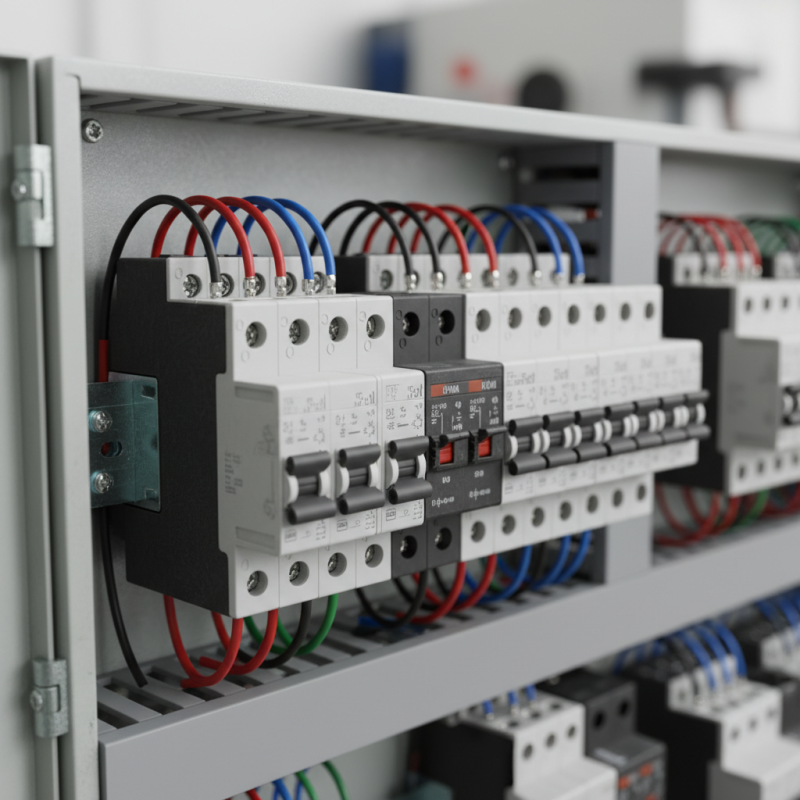
Electrical Circuit Breakers play a crucial role in safeguarding electrical systems. They automatically interrupt power flow during overloads or faults. Understanding their purpose is essential for effective home and industrial safety. According to the National Fire Protection Association (NFPA), electrical malfunctions cause about 25% of all home fires. A reliable circuit breaker can significantly reduce this risk.
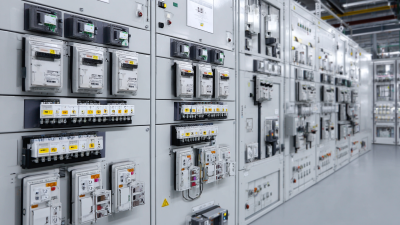
When choosing a circuit breaker, consider factors like voltage, amperage, and configuration. The type of load affects your selection. For instance, commercial properties often require specialized Electrical Switchgear that can handle larger loads. Inadequate choice can result in failures or safety hazards, with reports indicating that improper circuit protection leads to loss of over $1 billion annually in damages.
Selecting the right circuit breaker is not just about functionality; it’s about reliability. Research from the Institute of Electrical and Electronics Engineers (IEEE) highlights that outdated breakers are a common reason for electrical failures. Reflecting on this, one must keep up with advancements in technology and safety regulations to ensure longevity in electrical systems. Balancing cost and quality is imperative; as safety should never be compromised for budget constraints.
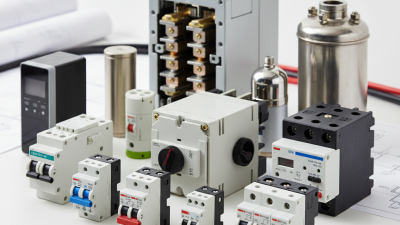
When choosing circuit breakers, understanding the various types is crucial. There are several standard types: miniature circuit breakers (MCBs), residual current circuit breakers (RCCBs), and air circuit breakers (ACBs). Each type serves a distinct purpose based on application needs. For instance, MCBs protect against overcurrents in household circuits and are essential for safety.
RCCBs are vital for preventing electric shock. They detect imbalances in the electrical flow and can disconnect power swiftly. Reports show that properly installed RCCBs can reduce electrical accidents by 50%. ACBs, on the other hand, are utilized in industrial applications. They can handle higher current loads, which is critical for large machinery and equipment.
Tip: Always check the voltage and current ratings before purchasing circuit breakers. Ensure they match your system requirements. Consider using Switchgear Electrical systems for comprehensive protection. Regular maintenance of circuit breakers enhances their lifespan and performance. Understanding each circuit breaker's application helps avoid installation errors. Without careful consideration, the risk of failure can increase significantly.
When selecting electrical circuit breakers, evaluating the electrical load requirements is crucial. Proper sizing ensures safety and efficiency. According to the National Electrical Manufacturers Association (NEMA), inadequate load calculations can lead to equipment failure. This can also pose a fire hazard. A study found that around 20% of electrical fires are caused by faulty breakers.
Understanding the total load in amperes is essential. Measures should be taken to account for all connected devices. Households can have a variety of appliances, each with different ratings. Overloading a circuit can lead to tripped breakers or worse. Professionals recommend incorporating a 20% safety buffer while calculating load requirements. This means if your total load is 30 amps, choose a breaker that accommodates up to 36 amps.
It's also important to understand different breaker types. Some are designed for specific applications, such as ground fault circuit interrupters (GFCIs) for wet areas. Yet, many users might overlook this detail, leading to improper installation. A misapplied breaker can result in unexpected failure. Regular consultations with qualified electricians can ensure correct breaker selection based on current and future load needs. This proactive approach minimizes potential risks significantly.
When selecting electrical circuit breakers, understanding key ratings and specifications is crucial. One of the most important factors is the amperage rating. This rating indicates the maximum current the breaker can handle. Choosing a breaker with a proper amperage rating protects circuits from overloads. If the rating is too low, it may trip often. If it’s too high, it can lead to overheating.
Another essential specification is the voltage rating. This determines the maximum voltage the circuit breaker can safely interrupt. Matching the voltage with your electrical system is vital. An incorrect voltage rating can cause safety hazards. Additionally, consider the interrupting capacity. This is the maximum fault current the breaker can handle. If your system has high fault currents, a breaker with a suitable interrupting capacity is necessary.
Finally, consider the type of circuit. There are different breakers for residential and industrial use. Choosing the right type ensures reliability. Reflect on the potential for future upgrades as well. You might need higher capacities later on. Always prioritize safety and performance. Remember, poor choices can lead to significant issues down the line, including damage to Electrical Transformers and other components.
When selecting electrical circuit breakers, prioritizing safety standards and compliance is crucial. These standards ensure protection against electrical faults and prevent hazards. Familiarity with national and international safety codes helps in making informed decisions. Compliance with these rules is not just a recommendation; it’s often a legal requirement.
Understanding testing and certification labels can be daunting. Many products may seem reliable at first glance, yet lack necessary certifications. It’s important to know which organizations set these safety benchmarks. Review the documentation that accompanies each product. Non-compliance can lead to severe consequences, including fire hazards or equipment failure.
Take time to examine the specific requirements based on your location. Local regulations may differ significantly from broader safety standards. This might lead you to rethink a product that seems perfect but doesn’t meet local codes. Remember, compliance is non-negotiable in ensuring safety and reliability in your electrical systems. Always be vigilant about changes in regulations, as they are key to maintaining a safe environment.
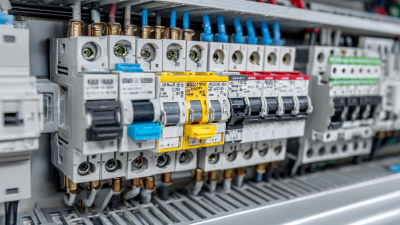
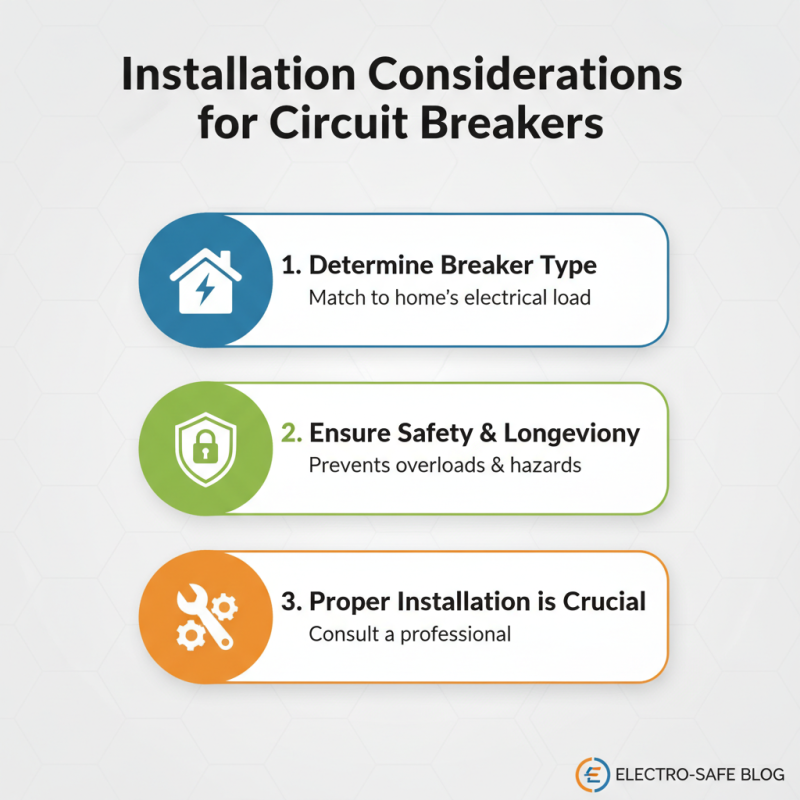
When selecting circuit breakers, installation is a critical aspect often overlooked. Proper installation ensures safety and longevity. Start by determining the breaker type suitable for your home’s electricity load. A thorough assessment helps prevent overloads.
Ensure all installations comply with local electrical codes. These codes provide essential guidelines for safe practices. Missteps during installation can lead to serious hazards. Inadequate mounting or improper wiring could result in a malfunction. Double-check each connection, as even minor errors can cause significant issues later.
Consider the environment where the breakers will be installed. Factors like humidity, dust, and temperature can affect performance. For example, outdoor installations require weatherproof breakers. In confined spaces, ensure there’s enough airflow for heat dissipation. Sometimes, leaving too little space for maintenance can be a major inconvenience. Aim for accessible placement, allowing for future checks and replacements.
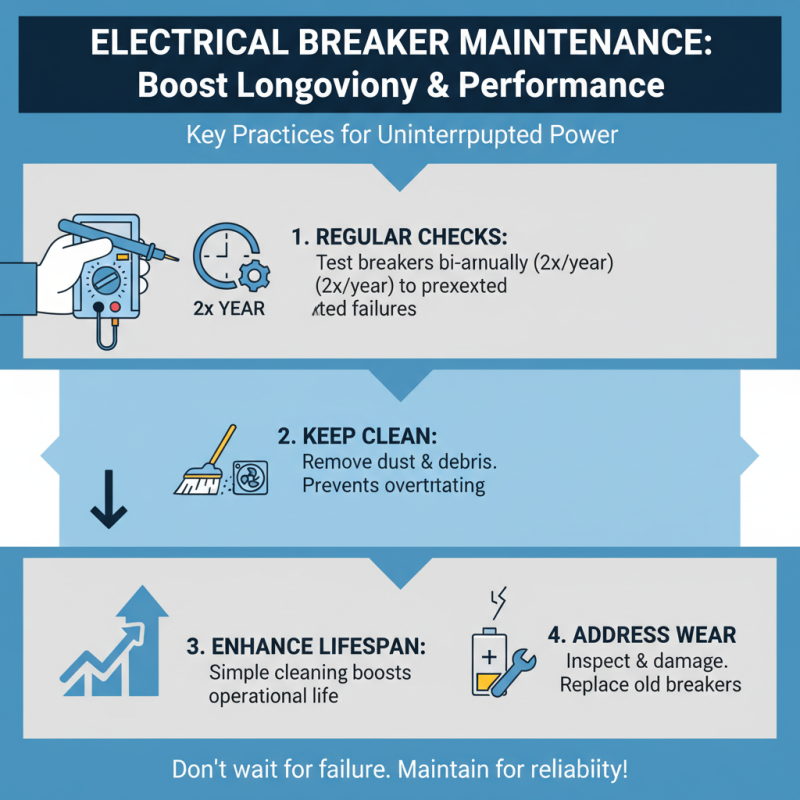
Regular maintenance of electrical circuit breakers is crucial for their longevity and performance. Checking and testing breakers at least twice a year can prevent unexpected failures. Ensure they are free of dust and debris, which can cause overheating. This simple practice can significantly enhance their lifespan. Breakers do not last forever, and signs of wear must be addressed promptly.
It's essential to keep an eye on trips. Frequent tripping often indicates underlying issues. Inspect connections for corrosion, as this can lead to resistance and heat buildup. Consider using tools to measure temperature, which can help identify potential problems early. Using a reliable system like Jxf Electrical Switchgear can aid in monitoring and controlling these aspects effectively.
Documentation of any repairs or adjustments made gives insight into the breaker's history. This information can guide future maintenance practices. Recognizing patterns in performance can help in decision-making later. If you're unsure about specific procedures, consult a professional. Continuous learning in maintenance practices can lead to improved electrical system reliability over time.
: The amperage rating shows the maximum current a breaker can handle. Choosing the right rating prevents frequent tripping or overheating.
The voltage rating determines the maximum voltage a breaker can safely interrupt. Incorrect voltage can create safety hazards.
Interrupting capacity indicates the maximum fault current a breaker can handle. Higher fault currents need suitable capacity for safety.
Proper installation ensures safety and longevity. Incorrect wiring or mounting can lead to hazards or malfunction.
Humidity, dust, and temperature impact performance. Weatherproof breakers are needed for outdoor use; airflow is essential in confined spaces.
Check and test breakers at least twice a year. Regular maintenance helps prevent unexpected failures and enhances lifespan.
Frequent tripping may signal underlying issues. It’s essential to inspect connections for corrosion and heat buildup.
Documenting repairs provides insight into a breaker's history. It helps in recognizing performance patterns for future maintenance.
Consult a professional if you're uncertain about specific procedures. Professional guidance can improve system reliability over time.
Choosing the right electrical circuit breaker is crucial for ensuring safety and performance in any electrical system. Understanding the purpose of electrical circuit breakers helps in selecting the appropriate type that meets specific applications. Different types, such as standard, GFCI, and AFCI breakers, serve various roles, therefore evaluating electrical load requirements is essential in making an informed choice.
When selecting an electrical circuit breaker, it's important to consider key ratings and specifications, including voltage, current, and interrupting capacity, while also being mindful of safety standards and compliance regulations. Proper installation considerations, along with regular maintenance practices, can significantly enhance the longevity and efficiency of these breakers, ultimately ensuring reliable protection for electrical systems.