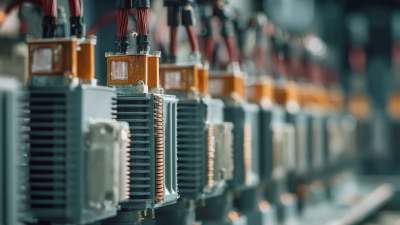
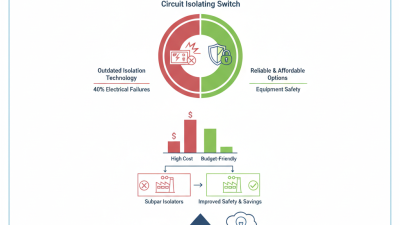
Picking the right power solution is so important if you want things to run smoothly and reliably. Control Transformers are pretty crucial in lots of industrial setups—they help keep everything stable, especially when dealing with sensitive equipment. Take BK Power, for example—they’ve come out with models like the BK-1000VA Dry Type Transformer 220V/380V, which really showcase the precision and safety these devices offer to electrical systems.
Control Transformers are vital because they keep voltage levels just right—avoiding damage to machinery and helping everything last longer. They’re basically the unsung heroes that ensure your gear operates within its sweet spot. When it comes to trustworthy options, BK’s Control Transformers are well-known for being tough and dependable, even in tough environments. Honestly, when you’re choosing a power setup, you really can’t overlook how important these transformers are.
In today’s super competitive world, investing in good quality Control Transformers isn’t just a good idea—it’s a must. The benefits you get over time usually make up for the upfront cost. Sadly, though, a lot of companies underestimate how critical voltage stability is, and that can be a mistake. Going with the right choice, like the BK Control Transformer, can actually boost efficiency and cut down on unexpected downtime, saving you headaches down the line.
Understanding Control Transformers: An Overview of Their Functionality
Control Transformer s play a crucial role in modern power solutions. They help regulate voltage levels for various control devices. This ensures the safe operation of equipment in industrial settings. According to a report by Frost & Sullivan, the global control transformer market is projected to grow at a compound annual growth rate of 5.2% from 2021 to 2026. This growth indicates an increasing reliance on these transformers for efficient power management.
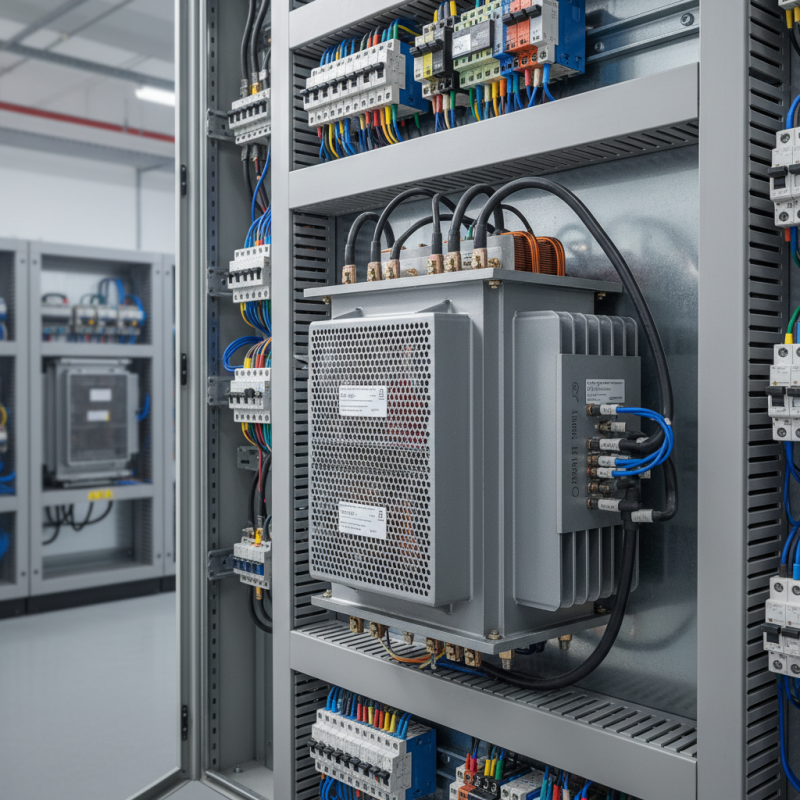
The functionality of control transformers is straightforward yet effective. They step down high voltage to a safer, usable level for controls and relays. This protects sensitive electronic devices from damage. For example, a typical control transformer can reduce voltage from 480 volts to 120 volts, ensuring proper operation and device longevity. Yet, improper selection of a control transformer can lead to system inefficiencies and potential failures.
Understanding the technical specifications of control transformers is essential. Key metrics include voltage rating, power capacity, and phase. While many providers offer detailed guidelines, it can still be challenging to choose the right one for specific applications. Misestimating load requirements may cause performance issues. Experts suggest running simulations to accurately calculate needs before making a selection.
Key Advantages of Using Control Transformers in Power Solutions
Control transformers play a vital role in power solutions, offering essential advantages. They convert higher voltage levels to a lower voltage suitable for control circuits. This ability improves efficiency and safety in power management.
According to industry reports, employing control transformers can increase system reliability by over 30%. Moreover, they help minimize electrical losses significantly. The low power consumption of control transformers allows for sustainable operations, reinforcing their importance in modern setups.
Tips: Regular maintenance of transformers ensures long-term reliability. Monitoring temperature and connections can prevent unexpected failures. Keep in mind that overloading transformers may lead to malfunctioning.
Additionally, control transformers enhance system protection. They provide isolation between high-voltage supply and sensitive components. This feature is crucial for safeguarding sensitive electronics from voltage spikes. However, it is essential to reevaluate loading conditions and ensure transformers are correctly matched to your applications for optimal performance.
Applications of Control Transformers in Various Industries
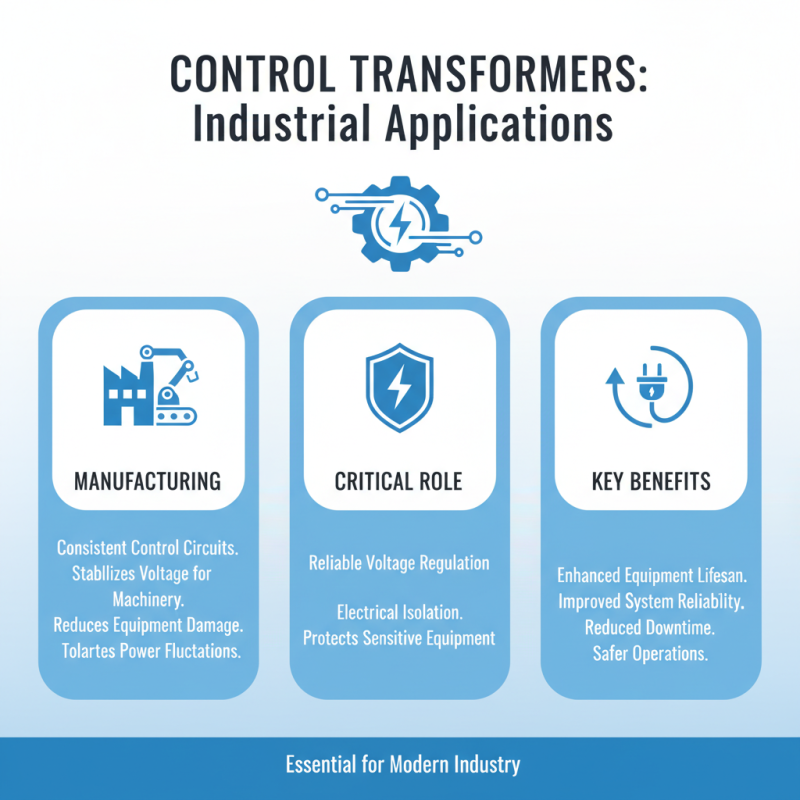
Control transformers play a vital role in various industries, providing reliable voltage regulation and isolation for sensitive equipment. In manufacturing, these transformers ensure consistent performance of control circuits. They stabilize voltage for machines, reducing the risk of damage. This is particularly important in environments with fluctuating power quality.
In the automation sector, control transformers are crucial. They facilitate the operation of PLCs and other control devices. With proper isolation, they enhance system safety. This isolation prevents unexpected surges from affecting sensitive components. The use of control transformers in HVAC systems also ensures precise control of environmental conditions.
Healthcare facilities utilize control transformers to maintain equipment reliability. They supply power to medical devices, where precision is essential. Any downtime could risk patient safety. Despite their benefits, it's essential to assess installation and maintenance regularly. Poorly maintained transformers can lead to failures, impacting performance. Understanding the limitations and risks of control transformers is vital for optimal operation.
Comparing Control Transformers to Traditional Transformers
When evaluating power solutions, control transformers often stand out against traditional transformers. Control transformers are designed to supply lower voltage control circuits efficiently. They typically offer enhanced regulation and reduced size, making them suitable for modern applications. In contrast, traditional transformers are often bulkier and designed for higher power applications. This size and efficiency gap can lead to challenges in installation and operation.
One significant aspect of control transformers is their multivoltaje capability. For instance, a 150va Control Transformer Multivoltaje can adapt to different voltage levels, thus simplifying various setups. This flexibility is a notable advantage in dynamic systems where voltage requirements may change frequently. Although traditional transformers provide stable high voltage outputs, they lack this versatility.
There are drawbacks to consider. Control transformers may face limitations in higher load scenarios. Users must assess their specific needs carefully. It's crucial to reflect on the power demands and operational environment. Without proper evaluation, the choice might lead to performance inefficiencies. Understanding the nuances of these transformers can guide better decision-making.
Factors to Consider When Selecting Control Transformers
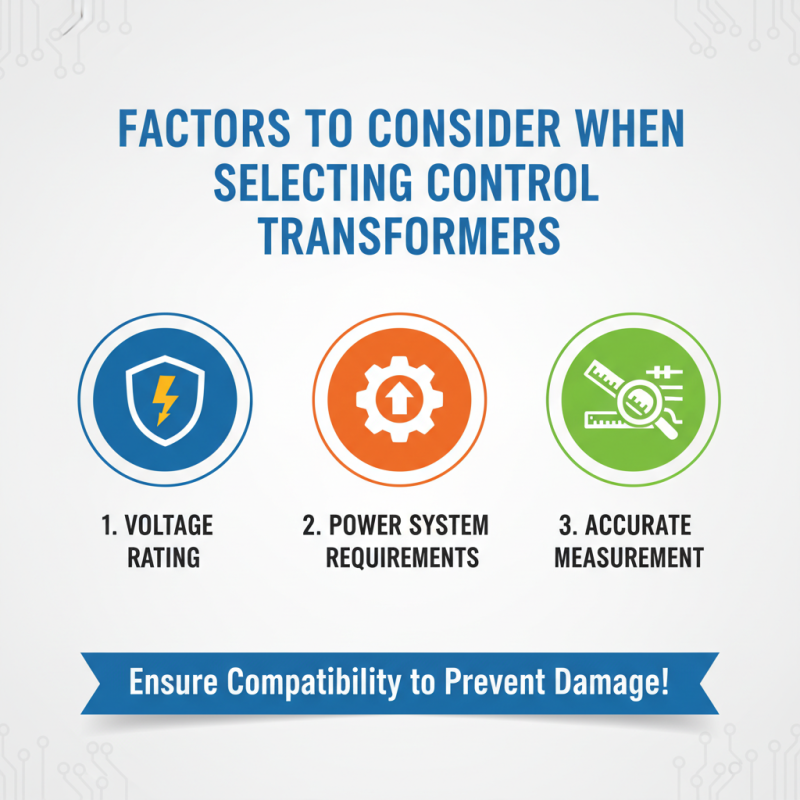
When selecting control transformers, consider several key factors. The transformer’s voltage rating is critical. Ensure it matches your power system requirements. Measure the input and output voltages accurately. This prevents operational issues and potential damage.
The transformer’s power capacity also deserves attention. Calculate the total load you expect to connect. Undersized transformers can overheat, while oversized ones may waste energy. Your choice impacts efficiency, longevity, and performance.
**Tip:** Always factor in environmental conditions. High temperatures or humidity can affect transformer performance. Look for transformers that are rated for your specific conditions.
Lastly, think about installation and maintenance. Look for transformers that allow easy access for inspection. Regular maintenance extends lifespan and ensures safety. A poorly maintained transformer can lead to costly downtimes.
**Tip:** Training staff on operational protocols enhances reliability. Empowering your team can improve response times during issues, reducing potential risks.
Common Misconceptions About Control Transformers
Control transformers often face misconceptions that can hinder their adoption in various applications. One common belief is that they are only suitable for low-power circuits. In reality, control transformers can efficiently handle a wide range of voltage levels. According to industry reports, many facilities have improved their operational efficiency by utilizing these transformers in higher-power situations. These devices can transform voltage levels reliably, ensuring proper functioning of control circuits in complex systems.
Another misconception involves the durability and reliability of control transformers. Some users worry about the lifespan and maintenance demands. However, studies show that, when installed correctly, they exhibit a long service life. For instance, the BK Series Industrial Control Transformer is designed with robust materials that resist environmental stressors. Proper care can extend operation and cut down on frequent replacements, leading to cost savings.
Lastly, there is a belief that control transformers are overly complicated. While they do involve technical specifications, many modern designs simplify installation and integration. Training and user manuals have improved, addressing the learning curve. It’s crucial for users to reassess their perceptions. Emphasizing elements like adaptability and ease of use can foster wider acceptance in diverse environments.
Common Misconceptions About Control Transformers
This bar chart illustrates common misconceptions about control transformers, rated on a scale of 1 to 10. Understanding these misconceptions can help in making informed decisions regarding power solutions.
Maintenance and Safety Tips for Control Transformers
Control transformers play a crucial role in various power solutions. They provide stable voltage levels for sensitive equipment. Ensuring proper maintenance is essential for longevity and safety. Regular inspections can prevent unexpected failures. Keep an eye on connections and terminals; loose connections can lead to significant issues.
A Vertical Mount BK Control Transformer requires specific care. Check for physical damage frequently. Dust and dirt can build up, impacting performance. Using a soft brush can help keep the transformer clean. Always verify that the transformer is grounded adequately. This reduces the risk of electrical shock.
Training personnel is vital for ensuring safety. Teams should be aware of potential hazards when working with control transformers. Provide regular workshops on safe operation and maintenance. Encouraging a culture of safety also leads to better performance. Regular review of safety practices keeps everyone on their toes.
Why Choose Control Transformers for Your Power Solutions? - Maintenance and Safety Tips for Control Transformers
| Dimension | Value | Description |
| Input Voltage | 480V | Standard input voltage for industrial control systems |
| Output Voltage | 120V | Commonly used output voltage for control circuits |
| Power Rating | 5 kVA | Indicates the maximum power the transformer can handle |
| Efficiency | >95% | High efficiency ensures minimal energy loss |
| Temperature Rating | -20°C to 40°C | Operational range for safe performance |
| Protection Class | IP20 | Protection against solid objects >12.5mm |
| Maintenance Frequency | Annually | Recommended schedule for optimal performance |
| Common Safety Tips | Proper grounding, periodic inspections | Essentials for safe operation |
Comprehensive Overview of JDZX10 Series Current Transformers: Models A1, A2, and B Specifications and Applications
The JDZX10 series current transformers offer a robust solution for various electrical applications, particularly in environments where accurate measurement and reliable performance are critical. Among the key specifications of the JDZX10-3 models are their rated secondary output options, which include configurations such as 15/50 VA, 30/50 VA, and extending up to 400 VA. This range provides flexibility for integration across a spectrum of settings, from compact installations to expansive industrial systems. Organizations can leverage the adaptability of these transformers to ensure optimal performance tailored to their specific operational requirements.
Another vital specification to consider is the thermal limit output, which spans from 30/50 VA to 200/50 VA. This parameter defines the maximum load the transformer can handle without risking overheating—a crucial factor for maintaining the longevity and reliability of electrical systems. According to industry reports, selecting a transformer within an appropriate thermal range significantly reduces the risk of failure and operational downtime. It is demonstrated that components exceeding their thermal limitations can lead to not only decreased efficiency but also expensive repairs or replacements.
In the broader context of electrical engineering practices, ensuring that the current transformer operates within safe thermal limits while effectively managing a variety of output ratings is essential for optimal system performance. Implementing these transformers can enhance measurement accuracy and reliability, thus contributing to the overall stability of electrical installations across numerous sectors.
Conclusion
Control transformers play a crucial role in power solutions by providing voltage stepping down and isolation, which enhances the reliability and safety of electrical systems. These transformers are particularly favored for their ability to maintain voltage stability in control circuits and for their compact design, making them suitable for various industrial applications such as HVAC systems, automation, and machinery control.
When considering control transformers, it is essential to evaluate their advantages over traditional transformers, including better efficiency and reduced size. Additionally, understanding common misconceptions, selecting the right transformer for specific needs, and adhering to proper maintenance protocols ensures optimal performance and safety. By integrating control transformers into power systems, industries can achieve greater efficiency, minimize downtime, and ensure the longevity of their electrical infrastructure.