Leave Your Message
0%

When you're dealing with electrical systems, a Control Transformer really becomes a crucial piece of the puzzle for maintaining accurate voltage levels. I read what Dr. Albert Thompson from PowerTech Solutions said, and it stuck with me: "A reliable control transformer isn't just about running smoothly; it’s about safety and efficiency too." Knowing just how important these little devices are can actually help businesses fine-tune their operations and avoid potential hiccups.

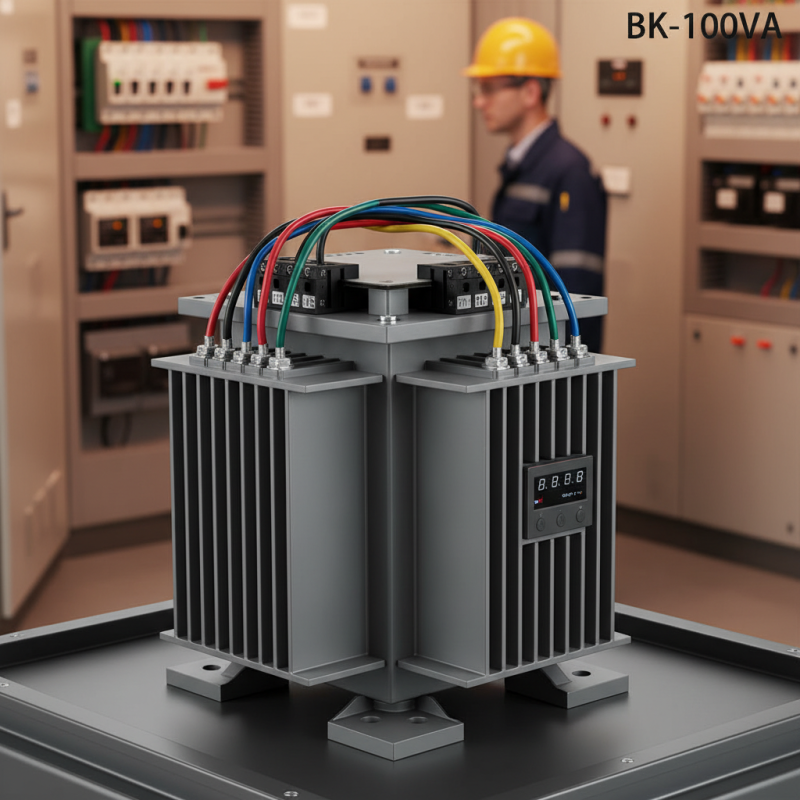
Take something like the BK-1000VA Dry Type Transformer — it’s a good example of a control transformer that offers both electrical isolation and steady voltage regulation. Operating at 220V or 380V, the BK Power Transformer Machine Tool shows off what good design and functionality look like in the real world. These transformers play a pretty vital role in industries, powering control circuits and shielding sensitive equipment from electrical issues.

That said, not every Control Transformer is the same — far from it. Picking the right one isn’t something you can just wing; it’s super important to pick wisely to prevent performance headaches. It’s worth taking a moment to really figure out what you need and make sure you’re choosing the right BK Control Transformer. If you pick the wrong one, it could cause operational problems or even compromise safety — and nobody wants that. So, yeah, making informed decisions about these devices is a must if you want your electrical systems to run smoothly and safely.
Why is Control Transformer Essential for Your Electrical Needs?

Understanding Control Transformers: Definition and Purpose

Why is Control Transformer Essential for Your Electrical Needs?

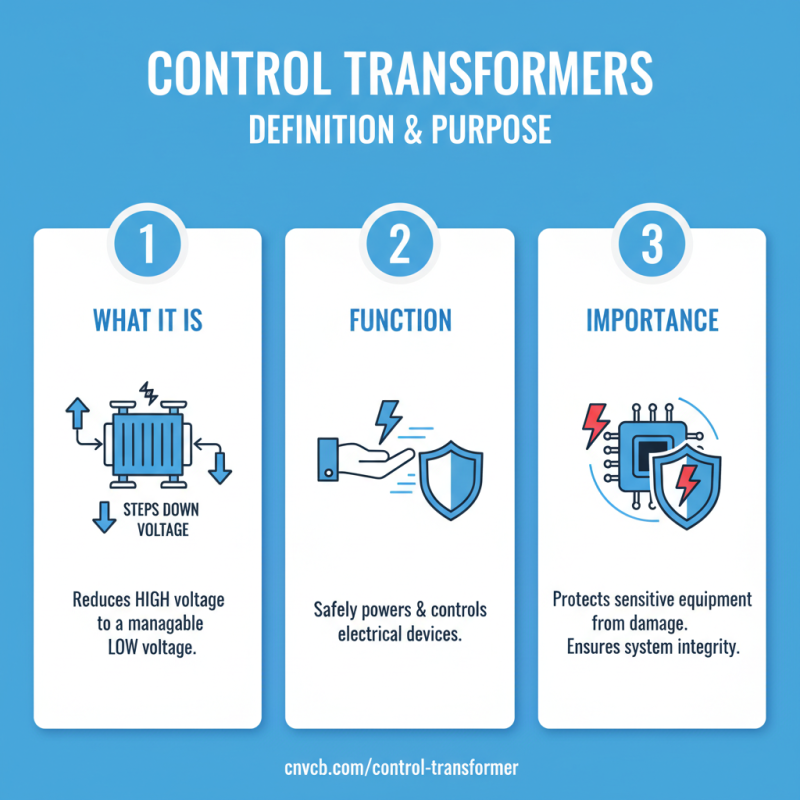
A Control Transformer plays a vital role in electrical systems. It is designed to step down high voltage to a lower, manageable level. This function is essential for controlling various electrical devices safely. Without it, operating sensitive equipment would be risky. High voltage can damage delicate components. Therefore, using a control transformer helps maintain the integrity of your systems.

Understanding its purpose is crucial. A control transformer provides a stable voltage supply. This stability ensures consistent performance across devices. For instance, many automation systems rely on it for accurate control signals. An unstable supply can lead to malfunctions. However, using a control transformer may also introduce some complexity. Proper sizing and selection are necessary. If chosen incorrectly, issues may arise, affecting overall efficiency.

Experts advise considering load requirements when selecting a control transformer. Calibration plays a significant role in its effectiveness. In some instances, users overlook this step, leading to operational challenges. Frequent assessments of the transformer’s performance can prevent such problems. A reliable control transformer can greatly enhance the performance of your electrical systems. Its significance should not be underestimated.

Key Components of Control Transformers and Their Functions

Control transformers play a crucial role in electrical systems. They step down voltage to a usable level. This ensures equipment operates safely and efficiently. Key components of control transformers include primary and secondary windings, core, and insulation.

The primary winding receives voltage from the source. It generates a magnetic field around the core. The secondary winding then receives this energy, converting it to a lower voltage. The core, often made of silicon steel, enhances magnetic coupling and efficiency. Insulation protects against electrical shorts and overheating, ensuring safety.

Tips: Regular maintenance is vital. Inspect for signs of wear or overheating. Watch for unusual sounds. Proper ventilation can prevent potential failures. Understanding these components can help you make informed decisions for your electrical needs. Each transformer may have unique specifications that require careful consideration.

Applications of Control Transformers in Industrial Settings

Control transformers play a crucial role in industrial settings, providing reliable voltage regulation and isolation. Their primary function is to step down voltages for control circuits, ensuring the safety and efficiency of electrical systems. According to industry reports, about 40% of industrial facilities use control transformers to manage their electrical loads effectively. This statistic underscores the significance of control transformers in maintaining operational integrity in industries.

These transformers find applications in various sectors, including manufacturing and automation. In a manufacturing environment, a 150va Control Transformer Multivoltaje can provide essential power for sensors, relays, and contactors. This ensures that systems operate within safe voltage limits, protecting sensitive equipment. Many facilities leverage these transformers to minimize downtime and improve safety protocols by providing stable and isolated power for their control circuits.

However, some industries face challenges with transformer maintenance and efficiency. An unreliable control transformer can lead to increased operational costs and potential safety hazards. Periodic inspections and evaluations are necessary to ensure transformers operate efficiently and safely. This attention to detail can help prevent failures that might disrupt production and compromise safety standards.

Reliability and Efficiency: The Role of Control Transformers in Circuits

Control transformers are pivotal in ensuring the reliability and efficiency of electrical circuits. They step down voltage levels, making it safe for control systems. According to the Energy Information Administration, the industrial sector consumes about 30% of total electricity in the U.S. Many of these operations rely heavily on control transformers to regulate power effectively. Precision in voltage regulation reduces the risk of equipment failure, ultimately saving costs.

An industry report by Market Research Future reveals that the control transformer market is expected to grow at a CAGR of 4.2% from 2021 to 2028. This growth highlights the increasing dependence on reliable electrical systems. Control transformers help prevent overload and short circuits, enhancing operational longevity. However, challenges persist. Not all transformers are designed for high efficiency. Some older models may lead to energy losses that compromise performance.

To ensure optimal use, regular maintenance is essential. Many systems overlook this aspect. Routine checks can reveal hidden issues that affect overall efficiency. A lack of attention to these details can lead to unexpected downtimes. Balancing cost and performance is key, especially in resource-intensive industries. Identifying the right transformer type requires careful consideration of system needs. In this context, knowledge and expertise play a crucial role in decision-making.

Why is Control Transformer Essential for Your Electrical Needs? - Reliability and Efficiency: The Role of Control Transformers in Circuits

Dimension Value
Input Voltage 120/240 V
Output Voltage 24/48 V
Power Rating 500 VA
Efficiency >95%
Operating Temperature -10°C to 40°C
Weight 5 kg
Cooling Method Natural Air Cooling
Frequency 50/60 Hz

Industry Standards and Regulations for Control Transformers

Control transformers play a pivotal role in electrical systems. They adjust voltage levels, ensuring equipment operates smoothly. Adhering to industry standards is crucial for safety and efficiency. Regulations govern aspects like insulation requirements and thermal performance. The reliability of transformers hinges on these benchmarks.

The BK Series Industrial Control Transformer exemplifies compliance with these stringent regulations. It meets performance criteria set by electrical standards organizations. Such certifications instill confidence in users, ensuring their systems remain safe and efficient. Choosing transformers that meet these standards protects operators and equipment.

Nevertheless, not all transformers are created equal. Some may lack robust designs or appropriate materials. It's vital to assess each option thoroughly. Ignoring these details can lead to costly failures and safety hazards. Implementing proper guidelines ensures optimal performance and longevity.

Control Transformer Performance Metrics

Cost-Benefit Analysis of Utilizing Control Transformers

Control transformers play a crucial role in modern electrical systems. They step down voltage to safe levels, making them vital for control circuits. In a cost-benefit analysis, the savings from proper voltage regulation often outweigh initial investments. This is especially true in industrial applications where expensive equipment needs protection from voltage surges.

Using a Vertical Mount BK Control Transformer can enhance efficiency. These transformers are designed for easy installation and optimal space utilization. Their robust design reduces downtime and maintenance costs. However, some users may overlook their importance and face consequences down the line. Regular inspections and proper sizing are essential to ensure they function correctly.

Investing in control transformers can yield long-term benefits. While upfront costs may seem high, the return on investment manifests in reduced energy costs and longer equipment life. Companies often underestimate the need for these devices, leading to expensive repairs. Understanding their value can prevent operational setbacks in the future.

Future Trends in Control Transformer Technology and Usage

Control transformer technology is evolving rapidly. The global market for control transformers is expected to grow at a CAGR of 5.2% from 2023 to 2030. This growth is largely due to the increasing demand for energy-efficient solutions across various industries. Control transformers play a crucial role in electrical systems. They regulate voltage and ensure reliable operation of control circuits.

Emerging trends in this technology include the use of smart transformers. These devices enable real-time monitoring and diagnostics. According to a recent report, smart transformers can reduce energy losses by up to 15%. The integration of IoT (Internet of Things) in control transformers is also gaining traction. This allows for improved communication between devices and enhances efficiency.

Tips for maximizing the benefits of control transformers include regular maintenance checks. Ensure connections are secure and components are in good condition. Anomalies in performance should not be ignored. Another recommendation is to consider the environment where the transformer operates. High temperatures and humidity can affect its lifespan. Understanding these factors is crucial for optimal performance and longevity.

FAQS

: What is the primary function of control transformers in industrial settings?

: Control transformers step down voltages for control circuits, ensuring safety and efficiency in electrical systems.

How common are control transformers in industrial facilities?

Approximately 40% of industrial facilities utilize control transformers to manage electrical loads effectively.

In what sectors are control transformers commonly used?

They are used in manufacturing and automation, powering sensors, relays, and contactors.

What issues can arise from unreliable control transformers?

They may lead to increased operational costs, safety hazards, and potential production disruptions.

How can companies benefit from investing in control transformers?

They may experience reduced energy costs and longer equipment life, offering significant long-term savings.

What maintenance practices are necessary for control transformers?

Regular inspections, secure connections, and addressing performance anomalies are essential for efficiency.

How is control transformer technology evolving?

The growth includes smart transformers that enable real-time monitoring and diagnostics, enhancing efficiency.

Why is understanding the operational environment of control transformers important?

High temperatures and humidity levels can negatively impact their lifespan and overall performance.

What are the typical consequences of neglecting control transformer importance?

Underestimating their value can lead to expensive repairs and operational setbacks.

How can regular maintenance influence the performance of control transformers?

Maintenance ensures components are in good condition, preventing malfunctions and maintaining operational integrity.

Conclusion

Control transformers play a vital role in electrical systems, serving to step down voltage while ensuring reliable and efficient operation within circuits. These transformers are designed with key components that facilitate their function, making them essential in various industrial applications where precise control of electrical machinery is crucial. Their reliability contributes significantly to the overall efficiency of electrical systems, adhering to industry standards and regulations.

Moreover, the integration of control transformers offers a favorable cost-benefit ratio, allowing industries to enhance productivity while minimizing energy consumption. As technology advances, future trends indicate ongoing improvements in control transformer design and usability, positioning them as indispensable tools for meeting the evolving demands of electrical needs in industrial settings.
Isabella

Isabella

Isabella is a seasoned marketing professional at our company, which has been a leader in the power transmission and distribution equipment industry since its establishment in 2005. With a strong technical background, she possesses an in-depth understanding of high-voltage product design and......
Previous What is a Switchgear Cabinet and Its Benefits for Your Business?