Picking the right Vacuum Circuit Breakerisn't just a small detail—it’s a pretty big deal for any electrical setup. Industry pro John Smith from PowerTech Solutions puts it nicely: "Choosing the right Vacuum Circuit Breaker can really make or break your system’s reliability." That really highlights how important it is to think things through carefully when you're making your pick.
First off, understanding what you actually need is super important. Different situations call for different specs. Like, if you’ve got heavy machinery running around, you'll probably want breakers with a higher interrupting capacity. Also, don’t forget about the environment—dusty, humid, or harsh settings might require special protective features in your Vacuum Circuit Breakers.
But honestly, these little details can get overlooked pretty easily. Sometimes folks just go for the cheapest or most readily available option, and that might not always cut it in the long run. Taking a moment to really consider your requirements can save you a lot of headaches later on. Checking out different brands and making sure your choice is durable is also key to getting something that really works for your needs and lasts over time.
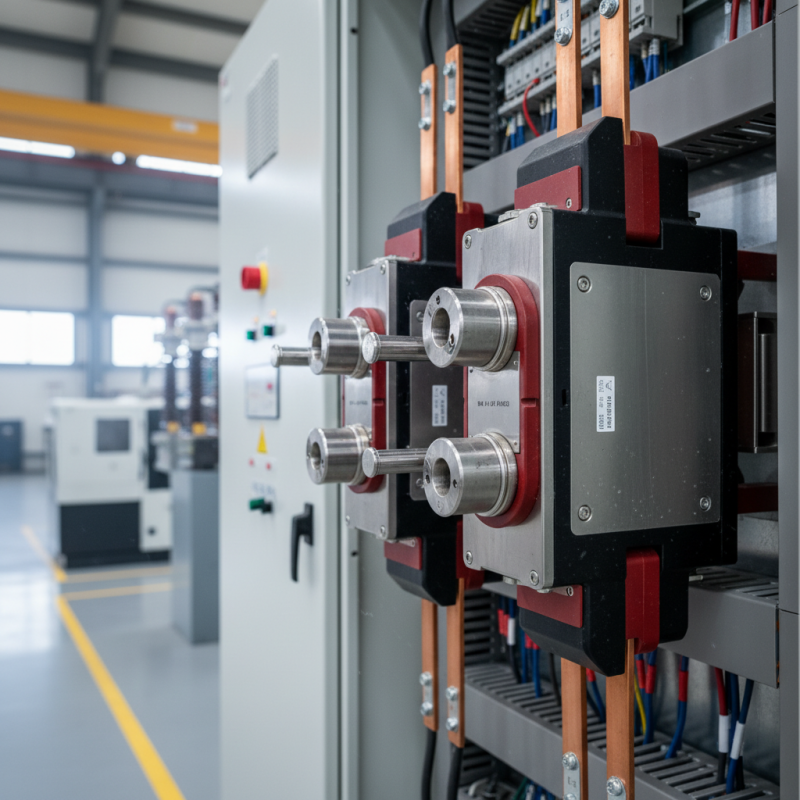
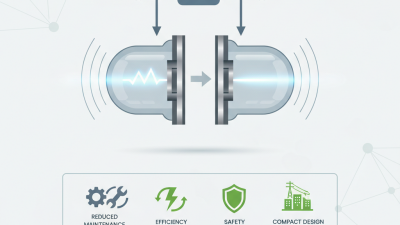
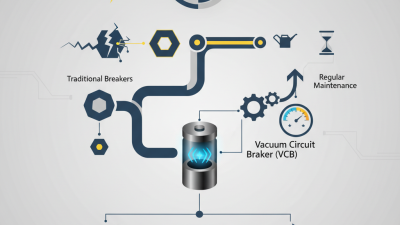
Vacuum circuit breakers (VCBs) are vital in electrical systems. They provide protection and control over circuits. Unlike traditional breakers, VCBs utilize a vacuum to extinguish the arc. This feature allows them to operate quickly and efficiently. They are compact and require less maintenance.
Understanding the basics of VCBs is important. They are commonly used in medium-voltage applications. The vacuum chamber is crucial for their functionality. When the contacts open, the arc forms inside the vacuum. This process cools and suppresses the arc, ensuring safety. Knowing their operational mechanism helps in selecting the right VCB.
**Tips:** When choosing a vacuum circuit breaker, assess the voltage level and load requirements. Consider environmental factors like temperature and humidity. Look for VCBs that are rated for your specific application. Make sure you understand the installation and maintenance needs.
Many forget to evaluate their system's unique requirements. It is easy to assume one size fits all. However, different applications require tailored solutions. Always reflect on the specific conditions of your electrical infrastructure before deciding. This careful consideration ensures optimal performance.
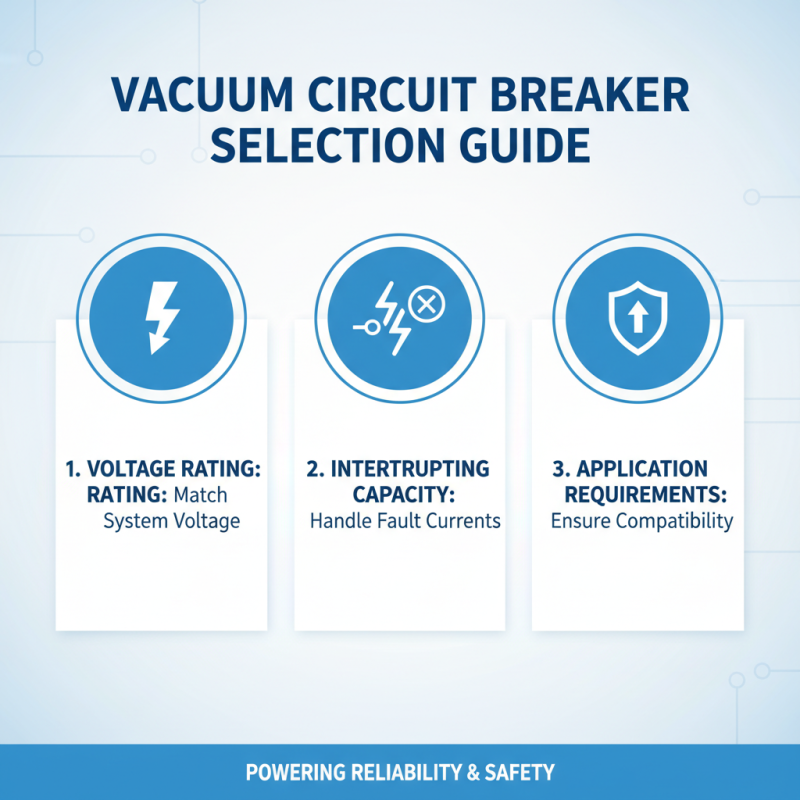
When selecting vacuum circuit breakers, several key specifications must be considered. The voltage rating is crucial. It determines the maximum voltage the breaker can handle. Look for breakers that meet your system's requirements. The interrupting capacity is also essential, as it indicates the breaker's ability to handle fault currents. Ensure the chosen breaker can effectively interrupt the maximum fault current anticipated in your application.
Another specification to weigh is the operating mechanism. Most vacuum circuit breakers use spring-operated mechanisms. They offer fast operation and reliability. Compare options like the Vs1 Indoor High Voltage Vacuum Circuit Breakers, known for their compact design and efficient performance.
Tips: Pay attention to the installation environment. Features like temperature and humidity affect performance. Check if the circuit breaker complies with industry standards. Also, consider maintenance requirements. Some breakers need more upkeep than others. Evaluate your technical capabilities when choosing the right option.
When selecting vacuum circuit breakers, voltage ratings and current capacities are critical. Voltage ratings indicate the maximum electrical potential that a circuit breaker can handle. Understanding this helps you avoid equipment failures. If the voltage exceeds the breaker’s rating, it can lead to dangerous situations. It’s essential to check the specifications of your electrical system before making a choice.
Current capacity is another vital factor. Each application has different current requirements. Knowing the load is crucial; it determines whether a breaker will function properly. A breaker with inadequate capacity can trip frequently or even fail. Analyzing the specific needs of your electrical setup requires careful consideration. Too often, people overlook these details, leading to inefficient operations or even safety hazards.
Evaluating both the voltage and current specifications ensures that you choose the right breaker. A mismatch can result in significant issues, including downtime and repair costs. Reflecting on your requirements now can save you from potential headaches later. Selecting the appropriate vacuum circuit breaker is not just about numbers; it’s about ensuring safety and reliability for your entire system.
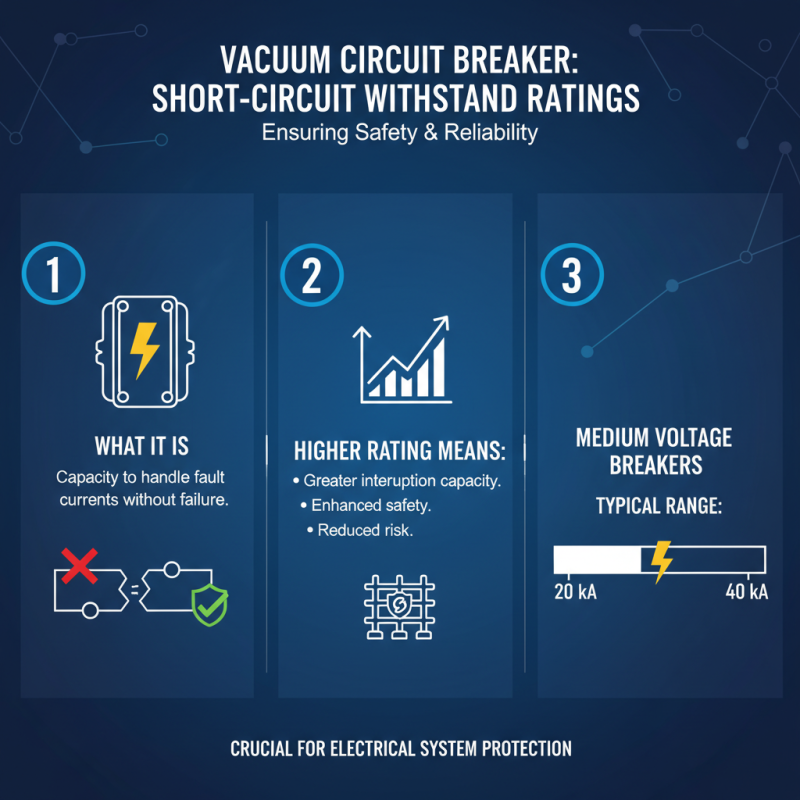
When selecting vacuum circuit breakers, it's crucial to understand short-circuit withstand ratings. These ratings indicate how well a breaker can handle fault currents without failing. A higher rating implies a greater capacity to interrupt current flow safely, minimizing risks. Industry data suggests that the typical short-circuit withstand rating for medium voltage breakers is often between 20 kA and 40 kA.
Short-circuit events can lead to devastating electrical fires and system failures. Statistics show that improper circuit protections contribute to 25% of industrial electrical accidents. This is alarming. Selecting breakers with insufficient ratings only increases hazards. Many engineers overlook the importance of detailed calculations in their designs. Lacking precise assessments can lead to choosing inappropriate Breakers Circuit for specific applications.
Real-world applications often reveal gaps in safety. For instance, a facility equipped with breakers rated at 25 kA faced a failure during an overcurrent test. It highlighted the importance of diligent analysis. Each installation should undergo a thorough review of potential fault levels. This ensures the selected Breakers Circuit align with safety standards, keeping systems operational and people safe.
When selecting a vacuum circuit breaker (Hv Vacuum Circuit Breaker), the operational environment plays a crucial role. Temperature and humidity levels directly affect the performance and lifespan of electrical components. For instance, a study by the International Electrotechnical Commission highlights that high humidity can lead to condensation, increasing the risk of malfunction in circuit breakers. In environments with over 80% humidity, the likelihood of electrical failures rises significantly.
High operational temperatures can also exacerbate stress on circuit breakers. According to the Institute of Electrical and Electronics Engineers, components may overheat, leading to reduced insulation resistance. This situation can ultimately cause premature failure of the Hv Vacuum Circuit Breaker. Operating conditions above 40°C may not only degrade performance but also shorten lifespan.
It’s essential to assess the environment meticulously. For instance, using a Hv Vacuum Circuit Breaker in an outdoor setting with fluctuating temperatures can result in issues. On the flip side, industrial settings with stable climate control can enhance reliability. Yet, often overlooked factors, like dust and pollutants, should also be considered. Regular maintenance and environmental assessments can uncover hidden challenges. Ignoring these variables may lead to unexpected shutdowns and costly repairs.
Vacuum circuit breakers (VCBs) are essential for protecting electrical systems. To ensure their longevity, regular maintenance is crucial. Maintenance tasks should include visual inspections and testing of auxiliary circuits. Regular checks can prevent unexpected failures. Dust and environmental factors can affect performance. Keeping VCBs clean can significantly enhance their lifespan.
Another significant aspect is the operation environment. Humidity and temperature fluctuations can impact functionality. It is imperative to monitor these conditions. If the environment is harsh, more frequent maintenance may be necessary. However, determining the right frequency can be challenging. Each installation presents unique variables that can complicate maintenance scheduling.
Proper maintenance also involves assessing wear and tear over time. Components may degrade, affecting overall performance. Identifying these issues early can save time and money. Yet, many overlook this aspect until problems arise. This reactive approach can lead to costly repairs. Therefore, establishing a proactive maintenance program is beneficial for VCB reliability.
When selecting vacuum circuit breakers for your electrical needs, cost considerations are vital. The initial purchase price is only one aspect. Installation, maintenance, and potential downtime also contribute significantly to the overall expense. For example, a 40.5kv Vacuum Circuit Breaker might seem expensive upfront, but its long lifespan can make it a cost-effective choice over time.
Here are some tips to consider. First, evaluate lifecycle costs. Cheaper options may lead to higher maintenance costs in the long run. Next, analyze the energy efficiency. Some circuit breakers reduce energy losses, contributing to lower bills. Lastly, look into warranties and service agreements. A robust warranty can save money if issues arise shortly after purchase.
Reflecting on your choices is essential. Are you prioritizing cost over quality? While budget constraints are real, investing in reliable equipment could prevent future downtime. Balancing immediate expenses with long-term benefits should guide your decision-making process.
| Criteria | Details | Estimated Cost ($) | Return on Investment (ROI) |
|---|---|---|---|
| Voltage Rating | Selection based on system voltage, e.g., 12kV, 24kV | 5000 | High reliability reduces downtime |
| Breaking Capacity | Must match the fault level of your installation | 6000 | Minimizes risk of failure during faults |
| Mechanism Type | Spring-operated vs. hydraulic, impact on maintenance | 7000 | Longer lifespan with right choice |
| Environmental Conditions | Outdoor, indoor, coastal, or polluted settings | 3000 | Reduced maintenance costs |
| Maintenance Frequency | Expected frequency based on usage and design | 2000 | Lower costs over time |
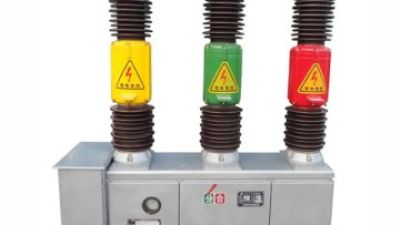
The LW16-40.5 outdoor sulfur hexafluoride (SF6) circuit breaker stands as an exemplary innovation in power distribution solutions, particularly within the realm of outdoor applications. Designed for AC 50HZ three-phase power systems, this robust device is tailored for use in a variety of settings, including industrial and mining operations, power generation facilities, and substations. Its ability to operate frequently while serving as a circuit breaker for capacitors and reactors makes it a versatile choice for engineers looking to enhance system reliability and efficiency.
Incorporating advanced features, the LW16-40.5 is equipped with a built-in current transformer that provides critical measurement and protection functions. This allows for seamless integration into existing power systems, particularly as a direct replacement for the traditional SW2-35 type low oil circuit breakers, which have been prominent in the market. Reports indicate that the adoption of oil-free solutions like the LW16-40.5 is on the rise due to increasing environmental regulations and the push for sustainable energy practices. Its overcurrent bracket further expands its adaptability, enabling it to replace various multi oil circuit breakers effectively, positioning it as a key player in the evolution of 35kV power systems.
Additionally, the LW16-40.5 circuit breaker demonstrates significant performance advantages, with lower maintenance costs and enhanced operational longevity compared to conventional oil-filled alternatives. Industry analyses highlight a growing demand for such innovative circuit breakers as utilities and enterprises seek to modernize their infrastructure amidst changing energy landscapes. With an emphasis on reliability and performance, the LW16-40.5 outdoor Sf6 Circuit Breaker embodies the future of power distribution technology, catering to the critical needs of today's energy sector.
: Voltage rating determines the maximum voltage a breaker can handle. It must meet your system's requirements.
Interrupting capacity indicates how well a breaker can handle fault currents without failing.
Most use spring-operated mechanisms. They provide fast operation and are typically reliable.
Features like temperature and humidity can significantly impact the breaker's effectiveness and reliability.
Some breakers require frequent upkeep, which can influence your choice based on your technical capabilities.
They show how well a breaker can manage fault currents without failing. Higher ratings mean safer operations.
In-depth analysis helps prevent choosing improper breakers, which can lead to serious safety hazards.
Statistics reveal that it contributes to about 25% of electrical accidents, underscoring the need for proper protection.
A facility’s failure during an overcurrent test highlighted the need for proper rating assessments when selecting breakers.
Many overlook detailed calculations, which can result in selecting inappropriate breakers for specific applications.
Vacuum Circuit Breakers (VCBs) play a crucial role in electrical systems, providing essential protection against overloads and short circuits. When choosing VCBs, it’s important to understand their basic workings, such as how they extinguish arcs in a vacuum environment. Key specifications to consider include voltage ratings and current capacities specific to your applications, while short-circuit withstand ratings should be assessed to enhance safety and reliability.
Additionally, the operational environment, including temperature and humidity, can significantly impact the performance of Vacuum Circuit Breakers. Maintenance needs and the expected longevity of these devices are also critical factors that should influence your selection. Finally, evaluating cost considerations along with the potential return on investment ensures that you make a well-informed decision that best meets your electrical needs.