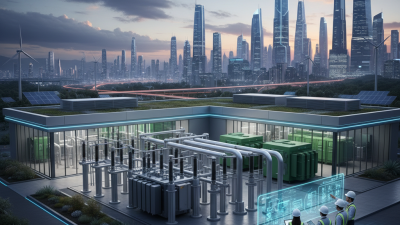
Picking the right Gas Insulated Substations (GIS) isn’t just a matter of ticking boxes. Experts say it really comes down to understanding your specific needs. John Parker, a senior engineer at PowerTech Innovations, puts it nicely: "Choosing the correct GIS is pretty much essential if you want things to run smoothly over the long haul." His point is that it’s not just about the technical specs— you also need to get a good grip on site conditions and what you might need down the road.
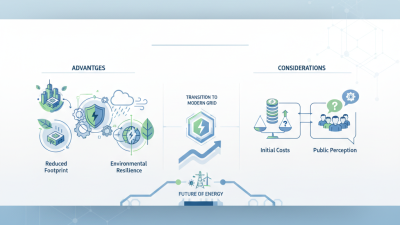
Gas Insulated Substations do come with some solid advantages—like taking up less space and boosting safety— but making the right choice isn’t always straightforward. You’ve got to consider site specifics, what the regulators require, and your budget. All of these factors need careful weighing before making a decision.
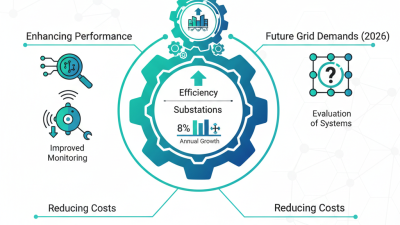
And here’s something a lot of folks don’t think about enough: the fact that needs can change. The initial GIS you go with might end up falling a bit short as technology advances and grid demands shift. Staying flexible and planning ahead can save you big headaches later. Think about both what’s needed now and what might be needed down the line—this strategy can help you avoid costly upgrades later on. When it comes to energy infrastructure, choosing a Gas Insulated Substation isn’t just a quick decision; it’s a long-term, strategic move for the future.
Understanding Gas Insulated Substations: An Overview
Gas Insulated Substations (GIS) are critical for modern power distribution. These systems utilize a gas as an insulating medium, allowing for compact designs and reduced footprint. They are becoming increasingly popular in urban areas where space is limited. According to the International Energy Agency, GIS technology can save up to 50% more space compared to traditional substations.
A key advantage of GIS is their reliability. They have lower failure rates, which improves grid stability. The IEEE reports that properly maintained GIS can experience a life expectancy of over 30 years. This longevity makes GIS a sustainable choice for utilities planning long-term investments. However, initial costs can be significantly higher, which requires careful budgeting.
Choosing the right Gis Gas Insulated Switchgear involves understanding the technology’s complexities. Factors like environmental conditions and maintenance practices should be considered. While GIS has many benefits, their installation can be challenging. Knowledge gaps still exist in certain regions, leading to potential issues in deployment and maintenance. Addressing these gaps is essential for maximizing the benefits of GIS technology.
Key Factors to Consider When Choosing GIS Technology
Choosing the right gas insulated substations (GIS) involves careful consideration of several key factors. One crucial aspect is the type of technology used. Sf6 Gas Insulated Switchgear has become popular due to its compact design and high reliability. Understanding the specifications of the GIS technology can lead to better decision-making.
When evaluating GIS options, think about your current and future capacity needs. Insufficient capacity can lead to failures or increased operational costs. Additionally, it’s essential to assess the environmental conditions where the GIS will be installed. Factors like temperature, humidity, and potential contaminantscan impact the performance of Sf6 Gas Insulated Switchgear.
Tips: Always consult with experts who have hands-on experience in GIS. Their insights can highlight potential challenges you might overlook. Evaluate various suppliers by checking their track record. This research may reveal their reliability and support capabilities. It’s wise to consider the lifecycle costs of the equipment, not just the initial purchase price. Investing in quality can save money and headaches long-term.
Comparing Gas Insulated Substations and Air Insulated Substations
When evaluating gas insulated substations (GIS) and air insulated substations (AIS), several factors arise. GIS is known for its compact design, which requires less space. This quality makes it ideal for urban environments. Its insulation is achieved through SF6 gas, which provides superior performance under various conditions. In contrast, AIS needs larger footprints and is more visible. However, AIS might present lower initial costs and simpler maintenance procedures.
The choice between these two systems depends on project needs. For instance, a facility requiring high safety standards may favor GIS due to its reduced risk of environmental exposure. Another consideration is reliability. GIS typically experiences fewer outages, leading to better overall system performance. On the down side, the technical complexity of maintaining GIS can be challenging. Operators must be well-trained to handle 33kv Gas Insulated Switchgear.
Environmental impact should also be part of the discussion. GIS has a lower carbon footprint during operation, which aligns with sustainability goals. Yet, the SF6 gas used in GIS has potential environmental concerns associated with its leakage. Balancing these factors is crucial. Examine your specific requirements thoroughly to make the best decision for your energy infrastructure.
Assessing the Performance and Reliability of GIS
When evaluating gas insulated substations (GIS), performance and reliability are crucial factors. GIS technology offers compact designs and reduced environmental impacts. However, reliability can vary between installations. It's essential to analyze track records and maintenance histories of different systems. Longevity of insulation is a key parameter, as it directly influences operational efficiency.
Environmental resilience is another consideration. Many GIS units perform well in harsh climates, but not all are equally equipped. Research local conditions and select a system that can endure extreme weather. Regular inspection and proactive maintenance play important roles in ensuring sustained performance.
Test results and user feedback can shed light on potential vulnerabilities. Some systems may show degradation over time or less effective shielding. Identifying such issues early is vital. Moreover, it's wise to consult with engineers who have experience in similar projects. They can provide insights into real-world performance and potential setbacks, ensuring a more informed decision.
Evaluating Space and Design Requirements for GIS
When considering gas insulated substations (GIS), evaluating space and design requirements is paramount. The compact nature of a 33kv Gas Insulated Substation allows for installation in limited spaces, which can be critical in urban environments. These substations require only about 1/10th of the space compared to traditional air-insulated substations. This makes GIS a viable choice where real estate costs are high.
In an industry report by the International Energy Agency, urbanization is expected to rise by 30% by 2040. As cities grow, the demand for efficient energy infrastructure increases. Planning for GIS should include analysis of not just current space but also future expansions. While GIS systems can enhance reliability, they also present challenges. The complexity of design requires skilled personnel for operation and maintenance.
Tips:
Ensure that the design accommodates future technology upgrades. Retrofitting existing spaces can be costly and complex. Consider environmental regulations and how they influence site selection.
As you finalize your GIS choice, think about integration with existing systems. Not all locations favor GIS due to installation complexities. It is essential to weigh the pros and cons thoroughly to meet your specific needs.
Cost Considerations in Selecting Gas Insulated Substations
Selecting the right gas insulated substation (GIS) involves significant cost considerations. The initial investment is substantial, often ranging from $200 to $400 per kVA, depending on the specifications and location. Infrastructure expenses can escalate quickly, driven by factors like land acquisition and installation complexity. Industry reports indicate that while GIS units typically require 30% less land than conventional substations, the upfront costs can remain a challenge for many developers.
Tips: Analyze Total Cost of Ownership (TCO). This includes installation, maintenance, and operational costs over the lifetime of the asset. Comparing these figures with conventional solutions will provide a clearer financial perspective.
Operational efficiency plays a significant role in long-term savings. GIS technology often leads to reduced energy losses. In many cases, this translates to lower operational costs that could enhance financial returns. However, the high upfront costs might deter some, creating a need to weigh short-term expenses against potential long-term benefits.
Investing in GIS can improve reliability and reduce outages, but organizations should assess their specific needs. A detailed feasibility study considering local regulations and site conditions is essential. Such analysis can sometimes reveal unexpected costs or challenges, necessitating careful planning and deliberation.
Cost Comparison of Gas Insulated Substations (GIS)
Future Trends in Gas Insulated Substation Technology
Gas-insulated substations (GIS) are gaining traction in the energy sector. They offer compact solutions for urban areas where space is limited. Their ability to withstand harsh conditions is crucial for reliability. As the demand for sustainable energy grows, new trends are emerging in GIS technology.
Recently, a report from Research and Markets highlighted that the global GIS market is projected to reach $36 billion by 2026, growing at a CAGR of 7.5%. This growth is largely driven by the need for efficient grid systems. However, the initial investment remains a concern. Many utilities must balance cost with longevity and efficiency.
Enhancements in insulation materials and designs are promising. Innovations like eco-friendly gas mixtures may reduce environmental impact. Yet, challenges persist. The high installation and maintenance costs can deter some sectors. Industry leaders must address these hurdles to maximize GIS potential and accelerate their adoption.
Understanding the Benefits and Applications of Three-Phase 10KV Epoxy Resin Insulated Dry-Type Transformers
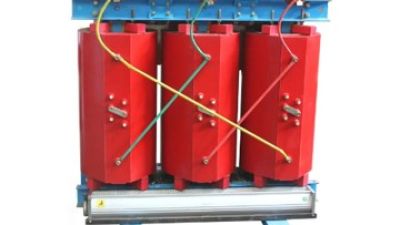
Three-phase 10KV epoxy resin insulated dry-type transformers are gaining significant attention in the power transmission and distribution industry due to their numerous advantages and versatile applications. Designed to meet international standards such as IEC60076, GB6450, and GB/T10228-1997, these transformers offer remarkable efficiency and safety features, making them suitable for high-demand environments. Recent industry studies indicate that using such transformers can reduce energy losses by up to 30%, addressing the crucial need for energy efficiency in modern infrastructure.
The lightweight and compact design of epoxy resin insulated transformers allows for easier installation and maintenance, particularly in urban settings where space is at a premium. Beyond spatial efficiency, these transformers exhibit low noise emissions and superior moisture resistance, which are essential in residential areas and sensitive environments. According to a report by the International Energy Agency, the adoption of dry-type transformers can significantly enhance the reliability of power supply systems, especially in regions with stringent fire safety regulations, as they are inherently fire-retardant and demonstrate enhanced overload capacity.
Moreover, the mechanical durability of these transformers ensures longevity and low operational costs over time. Their low partial discharge characteristics contribute to their robustness, further enhancing their suitability for critical applications in industrial plants, commercial buildings, and renewable energy systems. As the demand for reliable and efficient power solutions grows, three-phase epoxy resin insulated dry-type transformers stand out as a preferred choice for engineers and project managers focused on sustainable energy practices.
FAQS
: GIS are power distribution systems that use gas as an insulating medium, allowing compact designs.
They require less space compared to traditional substations, making them ideal for crowded environments.
Properly maintained GIS can last over 30 years, contributing to sustainability for utilities.
Initial costs for GIS can be high, which necessitates careful budgeting strategies.
GIS are compact and require less space, while AIS need larger footprints and are more visible.
GIS maintenance can be complex, requiring well-trained operators to address technical demands.
GIS have a lower carbon footprint, but the SF6 gas poses leakage concerns.
Factors include environmental conditions, maintenance practices, and project-specific needs.
GIS generally have lower failure rates, enhancing grid stability and performance.
Some regions have gaps in knowledge, affecting deployment and ongoing maintenance of GIS.
Conclusion
Gas Insulated Substations (GIS) are increasingly becoming a preferred choice for power distribution due to their compact design and enhanced reliability. Understanding the essential elements of GIS is crucial for making informed decisions. Key factors to consider include the specific technology suited for your requirements, space limitations, and design constraints. Additionally, comparing GIS with traditional Air Insulated Substations can provide insights into performance and efficiency.
Evaluating performance is vital, as GIS generally offers superior reliability, especially in challenging environments. Cost considerations play a significant role in the selection process, requiring a thorough assessment of both initial investment and long-term operational costs. Finally, staying abreast of future trends in GIS technology can help stakeholders adapt to evolving industry standards and improve overall operational efficiency.