Leave Your Message
0%

Picking the right Three Phase Transformer is super important if you want your electrical setups to run smoothly and efficiently. Honestly, if you look at reports from Allied Market Research, they’re saying the global transformer market could hit over $100 billion by 2027. That just shows how much people need reliable power solutions these days. It really drives home the point that choosing a transformer tailored to your specific needs — especially in industrial settings where everything hinges on precision and dependability — isn’t just smart, it’s essential.

Figuring out which three-phase transformer is right for you can be kinda overwhelming. There are so many options out there that it’s easy to get lost trying to decide. Plus, a lot of folks tend to overlook important details like load capacity or voltage requirements, which can spell trouble down the line. According to the International Electrotechnical Commission, picking the wrong one can lead to inefficiencies that might end up costing your business a lot more than you’d expect, eventually.

And with everyone really focusing on sustainability and energy efficiency these days, making an informed choice isn’t just helpful — it’s pretty much necessary. Taking the time to really evaluate what you need and thinking long-term about how your transformer will perform can make a huge difference. So, understanding the ins and outs of a Three Phase Transformer before you buy is not just practical — it’s a smart move to keep your operations future-proof and running smoothly.
How to Choose a Custom Cheap Three Phase Transformer for Your Needs?

Understanding the Basics of Three Phase Transformers in Industry

Three-Phase Transformers play a crucial role in industrial applications. They are essential for power distribution and efficient energy management. Understanding how they function can help businesses optimize operations. These transformers balance loads across three phases. This balance enhances system reliability and reduces energy loss.

In industry, three-phase transformers provide several advantages. They allow for reduced copper and core losses. The design enables a higher power density, which can lead to smaller equipment sizes. However, selecting the right transformer requires careful consideration. Factors include power rating, voltage level, and load types.

Putting too much focus on initial cost can be misleading. Investing in a higher quality transformer may lead to better performance over time. Businesses should evaluate long-term benefits versus upfront expenses. Ensuring reliability often requires a detailed analysis. Understanding the specific needs of your operations is crucial. This deep knowledge will guide better decision-making.

Power Rating of Three Phase Transformers

Key Factors to Consider When Choosing a Custom Transformer

When choosing a custom cheap three-phase transformer, several key factors come into play. Determine your voltage and power requirements carefully. Calculate the load that the transformer will need to handle. This calculation affects the size and efficiency of the transformer. Remember, miscalculating can lead to operational inefficiencies or equipment failure.

Another important consideration is the type of cooling required. Transformers can operate under various cooling methods, such as oil or air cooling. Each method has its pros and cons. Your choice might affect the lifespan and maintenance needs of the transformer. Evaluate the environment in which the transformer will be used. If conditions are harsh, it may need additional protection.

Don’t overlook the materials used in the transformer’s construction. High-quality materials enhance durability and performance. Cheaper components can lead to issues down the line, impacting reliability. Try to weigh cost against the potential need for repairs or replacements. By taking these factors into account, you ensure that your choice will meet your needs effectively. Yet, be open to reassessing your requirements as your demands might evolve over time.

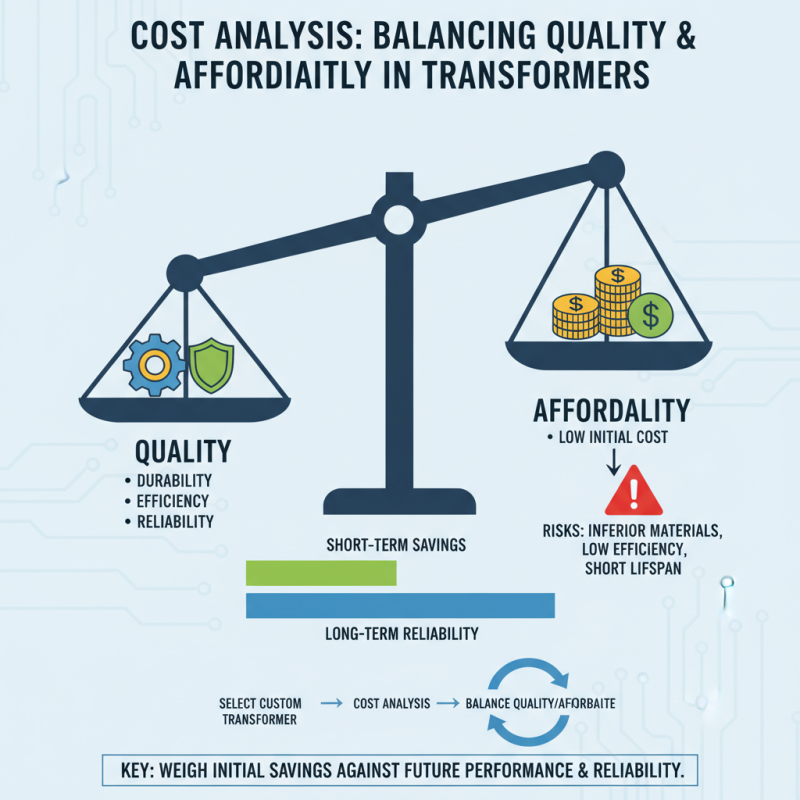
Cost Analysis: Balancing Quality and Affordability in Transformers

How to Choose a Custom Cheap Three Phase Transformer for Your Needs?

When selecting a custom cheap three-phase transformer, cost analysis plays a crucial role. Finding the right balance between quality and affordability is necessary. A low-cost option may seem attractive, but it could lead to issues later. Inferior materials can compromise efficiency. You need to weigh the short-term savings against long-term reliability.

Consider the specifications that your application requires. Will this transformer handle the load efficiently? An adequate understanding of your energy needs is vital. Many overlook this aspect, leading to overspend on unnecessary features or inadequate performance. It's essential to consult with professionals who can provide insights into the technical aspects.

Quality might seem synonymous with high price. However, several affordable options can still meet industry standards. Examine warranties and service policies when narrowing choices. A lower price doesn't mean compromising on durability. Invest time in researching different materials. Ensure the transformer you choose meets essential safety standards. Reflect on your choices, and remember that informed decisions lead to better outcomes.

Calculating Your Power Capacity Needs for Three Phase Systems

When calculating your power capacity needs for three phase systems, understanding your specific requirements is essential. The total power demand of your application directly impacts the choice of a transformer. A well-calibrated three phase transformer must match the voltage and current needs of your equipment. According to industry reports, a typical commercial three phase system requires at least 10 kW per load for effective operation.

Load analysis includes identifying the running and starting currents of equipment. Starting current can be several times higher than running current. This initial spike may necessitate a transformer that can accommodate such peaks without compromising functionality. If your peak load reaches 30 kW, a transformer rated at 40 kW provides a safety margin.

In practice, many underestimate their needs. Assume you're using a Three Phase Step Down Transformer for a manufacturing setup. If you only account for average loads, you risk overloading your system during peak times. An insufficient transformer could lead to unexpected downtime or equipment failure. Therefore, thorough analysis and correct projections are key to enhancing system reliability and performance.

Assessing Transformer Efficiency Ratings and Their Importance

How to Choose a Custom Cheap Three Phase Transformer for Your Needs?

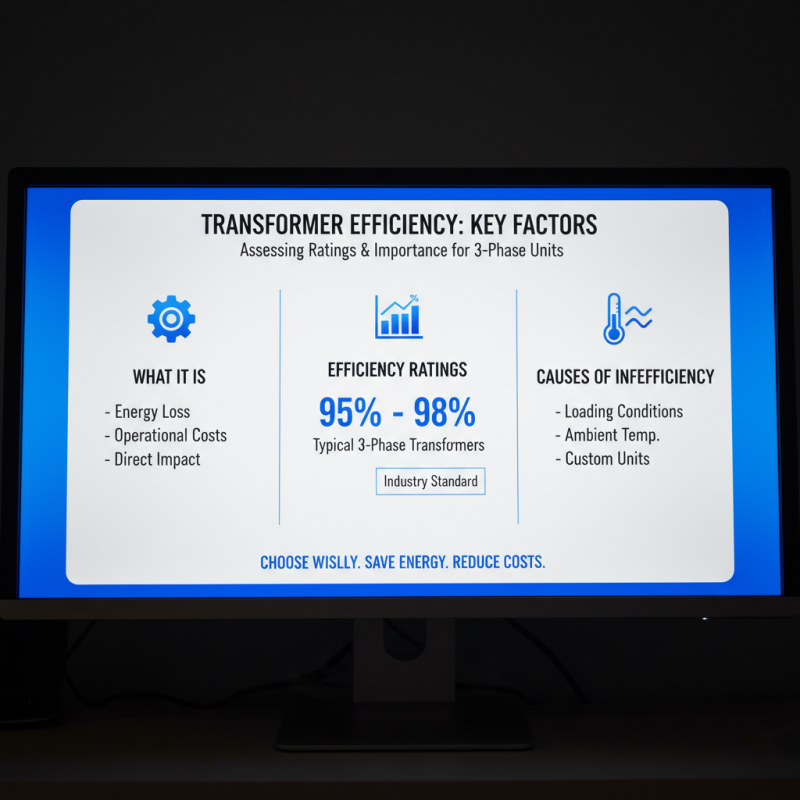
When choosing a custom cheap three-phase transformer, understanding efficiency ratings is crucial. Transformer efficiency directly impacts energy loss, which can significantly affect operational costs. Industry reports indicate that a standard three-phase transformer typically operates at 95% to 98% efficiency. However, inefficiencies can rise due to factors like loading conditions and ambient temperature variations.

Tips: Always evaluate the transformer's load requirements. An oversized transformer can lead to excessive losses, while an undersized one can strain the system. Look for a three-phase dry type power transformer since it often offers better efficiency and maintenance advantages.

Moreover, consider the loss types: no-load loss and load loss. No-load loss occurs when the transformer is energized but not supplying power. Load loss happens during operation. Studies suggest that improving transformer design can reduce these losses by up to 30%. Assessing these factors will help in making informed decisions while ensuring efficiency and reliability in your power system.

Evaluating Custom Features and Specifications for Your Application

When selecting a custom cheap three phase transformer, the focus often lies on the specific features it offers. Understanding the insulation class is essential. For instance, a Cast Resin F Insulation Class Three Phase Transformer excels in various environmental conditions. It resists moisture and dust, ensuring long-term reliability. Additionally, this insulation class can withstand higher temperatures without compromising performance.

Evaluating your application's requirements can be complex. You might need varying voltage levels, wattage capacity, or unique dimensions. Each of these factors influences the transformer’s design and functionality. Consult with a specialist who understands the nuances of custom transformers. They can provide insights tailored to your needs. However, be aware that not all features are necessary for every application. It's important to prioritize what truly matters.

Cost is another aspect that deserves careful consideration. Custom options can be more expensive, leading to potential budgeting challenges. Finding a balance between affordability and quality is crucial. Reflect on what you're willing to compromise to stay within budget. Flexibility and adaptability are key in this selection process. Choosing wrong could lead to inefficiencies or frequent repairs. Make informed decisions to avoid pitfalls.

How to Choose a Custom Cheap Three Phase Transformer for Your Needs?

Feature Specification Application Suitability
Power Rating 5 kVA - 1000 kVA Industrial machinery, HVAC systems
Input Voltage 380V, 400V, 415V Commercial and residential buildings
Output Voltage 220V, 240V Electronic devices and low voltage equipment
Winding Material Copper or Aluminum Long-term durability and performance
Cooling Method Oil-cooled or Air-cooled Variety of working environments
Efficiency Class IE2, IE3 Energy cost savings and compliance
Mounting Type Floor-mounted, Wall-mounted Space efficiency and accessibility

Vendor Selection: Finding Reliable Manufacturers for Cheap Transformers

When selecting a vendor for a custom cheap three-phase transformer, reliability is key. Research shows that 30% of transformers fail due to poor manufacturing. This highlights the need for meticulous vendor selection. Look for manufacturers with a proven track record. Industry data indicates that reliable providers typically have more than 10 years of experience. They should also have positive customer feedback and documented certifications.

It's important to assess their production capabilities. Consider factors like production volume, quality control processes, and technical expertise. A reputable vendor should offer transparent information about their manufacturing practices. They may even provide access to their testing facilities. This is crucial for ensuring that products like three-phase isolators meet required safety standards.

Finding reliable manufacturers can take time. Comparison shopping is vital. Collect multiple quotes, and don’t hesitate to ask questions. This process allows for a clearer understanding of what is offered. Remember, price is just one aspect. Value is found in quality and performance. Make informed decisions to avoid future issues with transformer reliability.

Transforming Power: An In-Depth Overview of the IBZPZDPS-100KVA Transformer and Its Applications

The IBZPZDPS-100kva Transformer stands out as a premier choice in industrial applications, specifically tailored for high-stability welding power supplies. With its impressive specifications, this transformer operates efficiently on a broadband input ranging from 50Hz to 60Hz. Such versatility allows it to adapt seamlessly to various operational environments, making it an essential component for businesses that rely on consistent and reliable power for welding processes.

Equipped with an advanced 85°C precision temperature control module, the IBZPZDPS-100KVA ensures optimal performance even under demanding conditions. Its sophisticated 8L/min high-efficiency water-cooling circulation system is pivotal in maintaining the transformer's temperature, preventing overheating and thus extending its operational lifespan. Additionally, the transformer complies with Class F insulation standards, guaranteeing a safe and dependable operation in harsh environments. This combination of features makes the IBZPZDPS-100KVA transformer not just a piece of equipment, but a cornerstone of industrial reliability and performance in welding applications.

FAQS

: How do I calculate my power capacity needs for a three-phase system?

: Start by assessing the total power demand based on your application.

What is the significance of a transformer rating?

The transformer rating must accommodate both running and starting currents, which may significantly differ.

How much power does a typical commercial three-phase system require?

Generally, a minimum of 10 kW per load is needed for effective operation in commercial settings.

Why is load analysis important?

Analyzing load helps ensure that the transformer can handle peak demands without risking equipment failure.

What factors should I consider when selecting a custom transformer?

You should assess insulation class, voltage levels, wattage capacity, and unique dimensions for your needs.

How can I balance cost with quality when selecting a transformer?

Reflect on necessary features while being mindful of your budget to avoid long-term inefficiencies or repairs.

What should I look for in a transformer vendor?

Seek manufacturers with over 10 years of experience, positive feedback, and transparent production practices.

Why is vendor reliability crucial?

About 30% of transformers fail due to manufacturing issues, making careful vendor selection vital for reliability.

How can I ensure a vendor meets safety standards?

Check if the vendor provides access to their testing facilities and certifications related to their products.

What mistakes should I avoid during the transformer selection process?

Don’t underestimate your needs or solely focus on price; prioritize quality and performance to prevent future issues.

Conclusion

Choosing the right custom cheap three phase transformer requires a solid understanding of its fundamentals within an industrial context. Key factors include power capacity needs, cost analysis balancing quality and affordability, and the efficiency ratings that determine operational effectiveness. It's crucial to assess the unique requirements of your application to evaluate any necessary custom features and specifications, ensuring that the transformer will meet specific operational demands.

Vendor selection also plays a vital role in securing a reliable manufacturer that offers competitively priced options without compromising on quality. By carefully examining these aspects, you can make an informed decision that will optimize your three phase systems' performance while staying within budget constraints.

Sophia

Sophia

Sophia is a dedicated marketing professional at our company, which was established in 2005 with a mission to be a global leader in high-quality power transmission and distribution equipment. With an extensive background in engineering and a deep understanding of our product offerings, she plays a......
Previous Breaker Indoor Buying Tips for Global Traders?