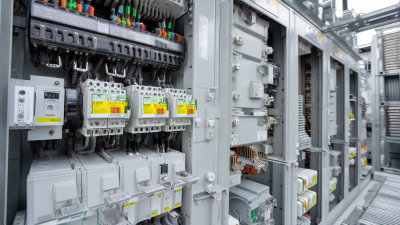
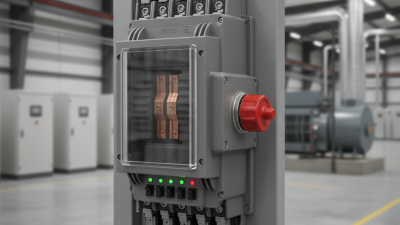
In today’s ever-changing electrical world, safety really should be a top priority, don’t you think? Circuit Isolating Switches (CIS) are actually pretty crucial when it comes to keeping electrical systems safe. I read somewhere that nearly 60% of electrical accidents happen because proper isolation isn’t used—scary, right? That’s why having a good quality CIS is so important, whether it’s for your house or a big industrial setup.
Getting a reliable Circuit Isolating Switch isn’t just about safety; it can also make your system run more smoothly. Big names like Schneider Electric and Siemens always stress that these switches can help prevent dangerous situations and damage to equipment. But surprisingly, a lot of folks tend to overlook just how essential they are.
Choosing the right switch can be kinda tricky, though. There are so many options out there, each with its pros and cons. Some are built for really high voltages, while others work fine for lower-power stuff. Taking a bit of time to think about what you actually need can save you headaches down the road. At the end of the day, picking the right Circuit Isolating Switch is a huge part of having a solid safety plan in place.
Overview of Circuit Isolating Switches and Their Importance
Circuit isolating switches play a crucial role in electrical systems. These devices ensure safety when maintenance is required. According to industry reports, they help prevent accidental energization during servicing. In a survey conducted by the Electrical Safety Foundation International, about 30% of electrical accidents occur due to improper isolation. This statistic highlights the importance of reliable switching mechanisms.
Utilizing circuit isolating switches can significantly reduce risk factors. They provide a controlled method for isolating circuits, thereby enhancing safety protocols. A recent analysis from the Institute of Electrical and Electronics Engineers indicated that 65% of electrical professionals prioritize the installation of these switches in new setups. However, there's still a gap in knowledge among technicians regarding proper usage.
Many installations lack adequate training on isolating switches. This knowledge gap can lead to costly mistakes. Reports show that user errors contribute to 45% of circuit-related incidents. It raises concerns about ongoing education in the field. Trusting technology without proper understanding may result in unsafe practices. Addressing these issues is essential for ensuring truly safe electrical systems.
Types of Circuit Isolating Switches Available in the Market
When selecting circuit isolating switches, it's vital to understand the types available. There are several variations designed to meet specific needs. A common option is the Indoor Isolating Switch, mainly used in residential and commercial settings. This switch ensures that electrical circuits can be safely isolated for maintenance.
Another type is the Outdoor Isolating Switch. These switches are built to withstand harsh weather conditions. They are often used in power distribution systems. Choosing the right type is crucial for ensuring safety and reliability. Each switch has distinct features. Some might be more robust, while others are compact and easy to install.
Maintaining the integrity of electrical systems demands careful selection. Some users might overlook the importance of quality. This could lead to using inferior switches, resulting in faults. It's essential to assess the specific requirements thoroughly. Understand the environment where the switch will be installed. This ensures the best performance and safety for everyone involved.
Key Features to Consider When Selecting a Circuit Isolating Switch
When selecting a circuit isolating switch, safety is paramount. Look for switches with clear labeling and simple operations. It should be easy to access and understand. A well-designed switch can prevent accidental operation. Choose one that provides a secure off position. This ensures the electrical flow is completely stopped.
Consider the switch's rating. Different systems have varying power requirements. Ensure the switch can handle your system's voltage and current. A switch with a higher rating than needed offers extra safety. Look for features like visual indicators. These can show when the switch is on or off, reducing confusion during operation.
Tips for effective selection include considering the environment. For instance, if the switch is outdoors, it must withstand weather changes. Corrosion-resistant materials are vital. Another tip: prioritize durability over looks. A robust switch can handle wear better. Lastly, check user reviews for real-life performance. Avoiding common pitfalls can make a significant difference in safety.
Safety Standards and Regulations for Circuit Isolating Switches
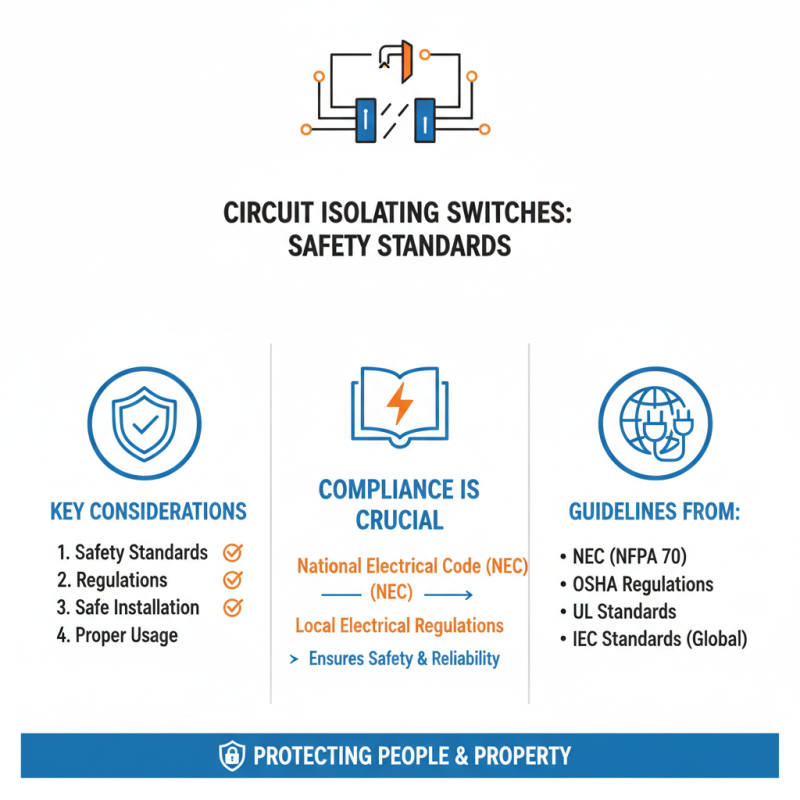
When selecting circuit isolating switches, it’s crucial to consider safety standards and regulations. These components must comply with various safety rules. The National Electrical Code (NEC) and other local regulations offer guidelines. Understanding these standards helps ensure safe installation and usage.
A tip for electricians: always verify that your chosen isolating switch meets your region’s electrical codes. This can prevent costly errors and enhance safety. Be aware of different environments. For instance, an Outdoor Isolating Switch must withstand weather conditions. It needs a robust design to resist corrosion and moisture.
One often overlooked detail is the switch’s rated voltage and current. Make sure these ratings match your system's requirements. Mismatches can lead to failures. It might seem trivial, but every detail counts. Always double-check your calculations and installations. This collective responsibility can save lives.
Best Practices for Installing Circuit Isolating Switches
When installing circuit isolating switches, safety should always be a top priority. The process begins with selecting the appropriate switch, such as the Gw4 - 35 Isolating Switch, which offers essential isolation capabilities. Proper placement of the switch is crucial. Installing it near the main power source allows for quick access during emergencies. Ensure that you clearly mark the switch with visible labels to avoid confusion.
Wiring the switch correctly is another key aspect. Pay attention to the manufacturer's instructions, but be ready for unexpected challenges. Sometimes, wiring may not match standard colors, creating confusion. Double-check connections to prevent future issues. It’s wise to use insulated tools while working on the switch, which helps reduce risks from electrical shocks.
Finally, remember that frequent checks and maintenance of the isolating switch are necessary. Regular inspections can reveal hidden problems. Look for signs of wear or damage. These checks create a safer environment. Keep in mind that no installation is perfect. Reflect on your process to improve with each project.
Common Applications for Circuit Isolating Switches in Electrical Systems
Circuit isolating switches play a crucial role in electrical systems. They ensure safety during maintenance and prevent unwanted electrical flow. Common applications include residential buildings and industrial facilities. With a reliable isolating switch, technicians can work without fear of electric shock.
A good example is the Gw5 Series Isolating Switch. This switch effectively disconnects circuits, providing a safe working environment. In commercial setups, these switches allow for quick isolation, especially during repairs. Users must choose the right switch based on their needs, which sometimes leads to confusion.
Another application is renewable energy systems. Here, isolating switches protect both equipment and personnel. However, not all switches are equal. Some may not fit specific requirements, leading to potential hazards. It’s essential to evaluate options carefully before making a decision.
Best Circuit Isolating Switch Options for Safe Electrical Systems
This bar chart illustrates the common applications of circuit isolating switches across various sectors. As shown, the residential sector represents the highest percentage of applications at 45%, followed by commercial at 30%, while industrial, renewable energy, and automotive sectors have lower percentages, emphasizing the significance of circuit isolating switches in residential and commercial electrical systems.
Comparison of Popular Circuit Isolating Switch Brands and Models
When it comes to circuit isolating switches, safety is a top priority. Choosing the right model can be tricky. Many options are available, but not all are created equal. Consider features like durability and ease of operation. Some models offer clear indicators, while others may lack basic safety signals. A reliable switch should resist environmental factors like moisture and dust.
Several popular brands have their pros and cons. For instance, some switches use stronger materials but are heavier. Others are lighter but may compromise on durability. The price point can also influence your decision. A high-cost switch doesn't always guarantee superior safety. User reviews from real settings can be a helpful guide in this area.
Engaging with professionals in the electrical field can provide insight. It’s worth exploring various options before making a choice. Mistakes can happen, such as choosing a switch not suited for your specific system. Take the time to reflect on your needs. Safety should be at the forefront of your decision-making process.
FAQS
: The content aims to provide useful information and insights.
The content targets individuals seeking knowledge and guidance.
Information is presented in a clear, concise manner. Each piece offers actionable insights.
The information is based on current knowledge but may not be exhaustive or perfect.
Yes, there are examples illustrating key concepts to enhance understanding.
Feel free to seek additional information or clarification as needed.
Yes, it can be applied to different contexts, but not all suggestions will suit every scenario.
Some advice may not work for everyone; it’s important to reflect on personal circumstances.
Updates occur periodically to ensure relevance, but always check for the latest insights.
Yes, some practices might need careful consideration based on individual judgment and experience.
Conclusion
Circuit isolating switches are essential components in electrical systems, providing a means to safely disconnect circuits for maintenance and protection. This article explores the various types of circuit isolating switches available, highlighting their importance in ensuring safety and efficiency in electrical installations. Key features to consider when selecting a circuit isolating switch include durability, ease of operation, and compliance with safety standards and regulations.
The article also discusses best practices for installing these switches and their common applications across different electrical systems. By comparing popular brands and models, readers can gain insights into making informed decisions when choosing circuit isolating switches. Ultimately, this knowledge is critical for maintaining safe and reliable electrical systems.