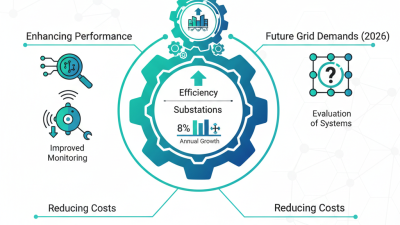
You can check out Gas Insulated Substations (GIS) here:Gas Insulated Substations. They've really transformed the energy world, bringing some pretty cool benefits for buyers. According to the International Energy Agency (IEA), GIS tech can cut down space needs by up to 90%, which is a game-changer—especially in busy cities. More and more urban developers and utility companies are hopping on this bandwagon because of how efficient it is.
Chris Martin, a top expert in this area, once said, "Gas Insulated Substations are really changing how we distribute energy." That little quote highlights just how important GIS is becoming in our modern infrastructure. Plus, these substations are super reliable—they can handle tough weather. They also need less maintenance and tend to last way longer than the old-school setups.
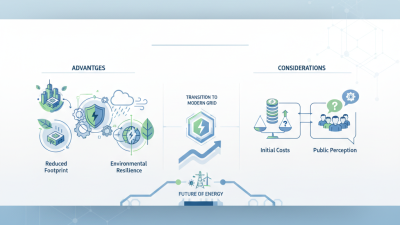
Sure, the upfront cost for Gas Insulated Substations is higher, and the installation can be a bit complex, plus staff will need some training. But honestly, the savings and benefits you get over time usually make it worth it. It’s all about weighing the initial investment against the long-term perks if you want to make the most of GIS in your future projects.
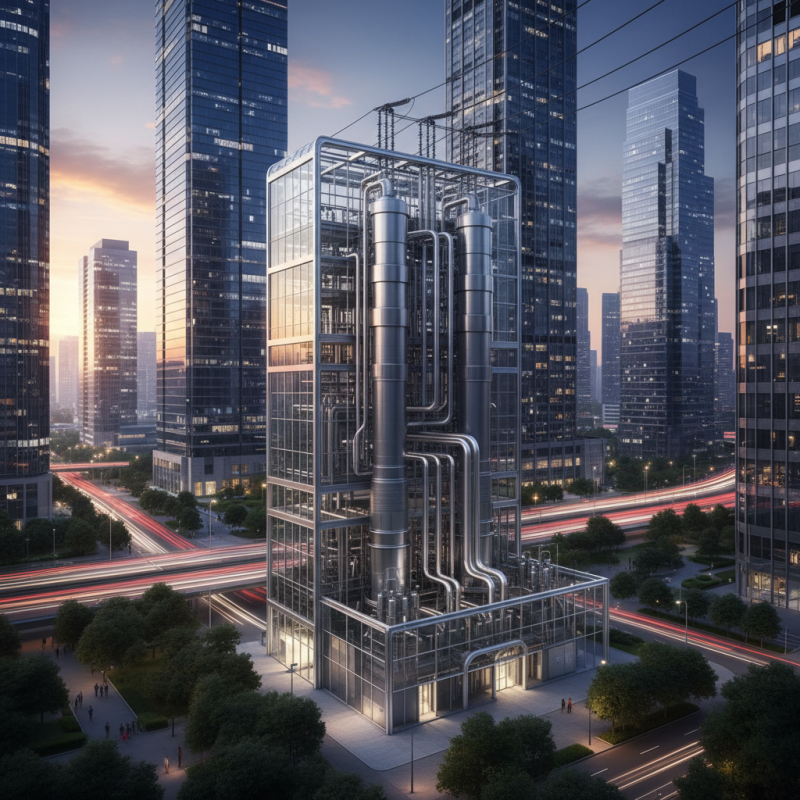
Benefits of Gas Insulated Substations for Buyers
Gas Insulated Substations (GIS) have emerged as a vital solution for modern electrical grids. These compact systems utilize gas-insulated switchgear (GIS) technology to significantly reduce space requirements. According to a recent industry report, GIS can be 30% smaller than traditional substations. This space-saving feature is beneficial for urban settings where land is limited and expensive.
Moreover, GIS technology enhances reliability. The solid insulation and absence of air reduce the risk of arcing and related outages. Research indicates that GIS installations result in a 15% lower rate of operational failures compared to conventional options. This increased reliability can lead to lower maintenance costs and improved service continuity for buyers.
Tip: When considering GIS, evaluate your site specifications and the expected load capacity. This ensures that the benefits are maximized while meeting current and future demand.
Despite these advantages, buyers must be mindful of the higher initial costs associated with GIS installations. Comprehensive financial analysis is essential to assess the long-term benefits against upfront investments. Each project should be tailored to specific demands. This approach promotes a thoughtful evaluation process, recognizing that not every scenario will favor GIS technology.
Space Efficiency and Land Use Considerations
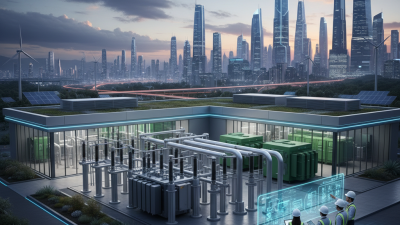
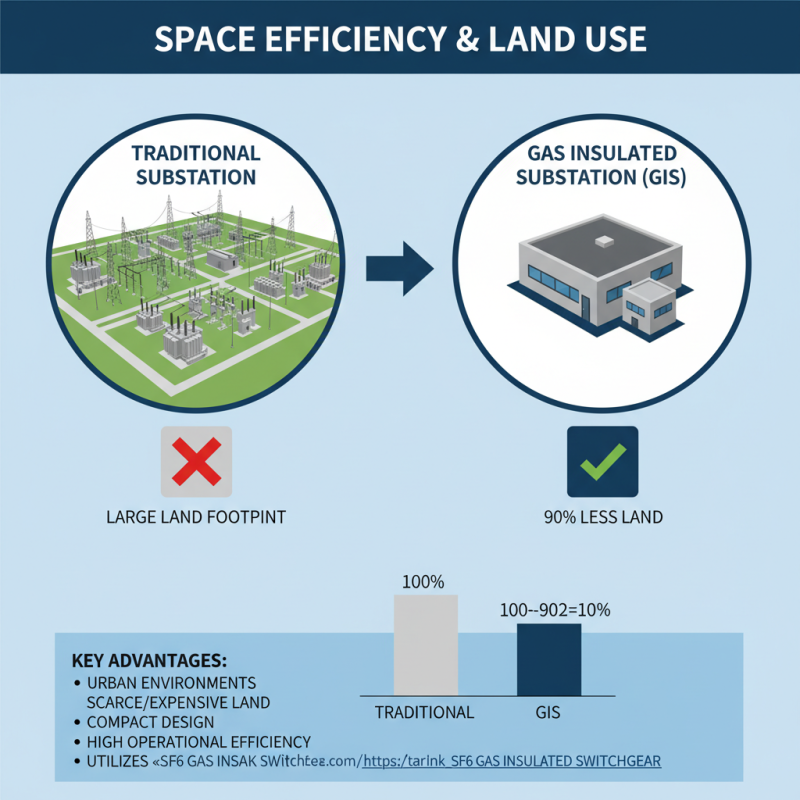
Gas insulated substations (GIS) bring remarkable advantages in space efficiency, crucial for urban environments. Traditional substations require large physical footprints. In contrast, GIS can reduce land usage by up to 90%. This makes them ideal for cities where land is scarce and expensive. By utilizing compact design and incorporating Sf6 Gas Insulated Switchgear, these facilities can fit into smaller plots while maintaining operational efficiency.
The industry's increasing urbanization demands innovative solutions. For example, reports show that space-efficient designs can lower land costs by about 25%. Cities often struggle to accommodate energy infrastructure. GIS offers a viable solution by fitting seamlessly into existing urban layouts. Their modular design helps in optimizing urban planning, making it easier to integrate necessary power infrastructure without expanding land use.
However, challenges remain in integrating GIS technology. Initial installation costs can be high, and complex technical expertise is required. Moreover, while they are more efficient, the long-term impact of SF6 gas on the environment poses questions. The industry must address these concerns proactively. As urban areas grow, finding a balance between energy needs and land use will be critical for sustainable development.
Reduced Maintenance Requirements and Costs
Gas insulated substations (GIS) offer significant advantages, particularly when it comes to maintenance requirements and costs. These installations reduce the frequency of maintenance checks compared to conventional systems. The compact design requires fewer components that can wear out. This leads to lower repair costs over time. Fewer breakdowns mean less operational downtime, translating to increased efficiency for utility companies.
Moreover, the GIS technology minimizes the risk of environmental issues. With sealed systems, the chance of oil or gas leaks decreases markedly. This not only protects local ecosystems but also aligns with regulatory compliance. However, transitioning to GIS can be expensive initially. Many buyers may hesitate due to the upfront costs. They must assess long-term savings against these initial investments.
The reliability of 33kv Gas Insulated Switchgear provides peace of mind for operators. This system handles high-voltage applications efficiently. Operators can depend on it to perform well under various conditions. Yet, as with any technology, there are nuances to consider. The installation process can be complex, requiring skilled labor. Continuous staff training is essential to address any challenges that arise throughout the lifecycle of the equipment.
Enhanced Environmental Performance and Safety
Gas insulated substations (GIS) provide significant advantages in environmental performance and safety for buyers. Their compact design allows for reduced land use. This is essential in urban environments where space is limited. The use of gas as an insulating medium eliminates some of the traditional risks associated with oil-filled substations, contributing to a lower environmental impact.
The encapsulated design of GIS minimizes exposure to external elements, leading to a more stable operation, reducing the risk of accidents. Enhanced safety features protect workers and the surrounding community. However, it's important to note that installation and maintenance can require specialized training. Such expertise may not always be readily available.
Additionally, GIS technology may face scrutiny regarding its long-term reliability. Some users express concerns over the initial capital investment. Yet, the benefits often outweigh potential drawbacks. Lower greenhouse gas emissions and reduced noise pollution create a healthier environment. Buyers must weigh these factors carefully when considering their options.
Improved Reliability and Operational Lifespan
Gas insulated substations (GIS) are evolving as a cornerstone for modern electrical infrastructure. Their design enhances reliability, making them vital for utility companies. By using gas as a primary insulator, GIS significantly reduces the risk of failures caused by environmental factors. This technology leads to fewer outages and enhances grid stability.
Operational lifespan is another critical aspect. GIS systems are not as exposed to the elements as traditional substations. This design minimizes maintenance needs and extends operation time. With fewer interruptions, utilities can achieve a more consistent power supply. Yet, while the initial investment might be higher than conventional substations, the long-term gains can outweigh these costs.
However, the perception of reliability may not always align with experiences in the field. Some users note that issues can arise just as they do in traditional setups. Challenges like complex designs can also lead to unexpected complications. As the industry adapts and learns, there remains an opportunity for improvement and innovation in operational practices. Great reliability may not be guaranteed, but the prospects for GIS systems encourage continuous development.
Adaptability for Urban and Challenging Environments
Gas insulated substations (GIS) stand out for their adaptability, especially in urban and challenging environments. With land becoming scarce in cities, GIS occupies significantly less space than conventional substations. According to a report by the International Energy Agency, GIS can reduce footprint requirements by up to 90%. This efficiency allows for better integration into tight urban layouts, preserving essential public spaces.
Urban areas often wrestle with various environmental challenges, such as noise pollution and visual impact. GIS operates at lower noise levels compared to traditional systems, making it suitable for residential or commercial districts. A study from the Electric Power Research Institute highlights that GIS technology can achieve noise reductions of up to 20 dB. Furthermore, these substations can withstand harsh environmental conditions, ensuring reliable performance in extreme weather. This is particularly crucial as utility companies face increasing pressure to modernize infrastructure while addressing climate threats.
However, the complexity of GIS systems can complicate maintenance and operational training. With intricate components and technologies, skill gaps may arise among personnel. Continued investment in training is essential. Nonetheless, the substantial benefits of reduced land use, lower noise, and resilience in harsh environments make GIS an appealing option for urban planners and energy providers.
Technological Advancements in Gas Insulated Systems
Gas insulated substations (GIS) have emerged as a significant advancement in electrical infrastructure. These systems utilize gas insulation to enhance performance, especially in confined spaces. One key benefit is their compact design, which allows for installation in urban environments. This efficiency can reduce land costs significantly, making GIS an attractive choice for developers.
Technological advancements in gas insulated systems have improved reliability and reduced maintenance requirements. With fewer components exposed to the environment, the risk of failures decreases. Additionally, GIS can operate effectively in extreme weather conditions. For power companies, this translates to fewer interruptions and higher customer satisfaction. However, while the upfront costs can be higher, the long-term savings from reduced maintenance and higher reliability often justify the investment.
Despite these benefits, challenges remain. Training personnel to operate and maintain GIS properly is essential. There is also a need for ongoing research to continually improve technology. Balancing initial costs with potential long-term gains presents a dilemma. Yet, as technologies evolve, the advantages of adopting gas insulated substations become increasingly evident for forward-thinking buyers.
What are the Benefits of Gas Insulated Substations for Buyers? - Technological Advancements in Gas Insulated Systems
| Benefit | Description | Impact on Buyers |
| Space Efficiency | Gas insulated substations (GIS) require significantly less space compared to traditional air insulated substations (AIS). | Lower land acquisition costs and the potential to build in urban areas. |
| Safety and Reliability | GIS reduces the likelihood of electrical faults, as the equipment is insulated and enclosed. | Enhanced safety for personnel and greater operational reliability. |
| Maintenance Costs | Less maintenance is required due to the compact and sealed design. | Reduced long-term operational costs for utility providers. |
| Environmental Impact | Lower visual impact and smaller footprint, with reduced greenhouse gas emissions. | Better alignment with environmental regulations and public acceptance. |
| Operational Flexibility | GIS can be installed in diverse locations with minimal site preparation. | Facilitates rapid response to changing demand and grid requirements. |
Economic Advantages Over Traditional Substation Designs
Gas insulated substations (GIS) offer several economic advantages compared to traditional designs. One major benefit is the reduced footprint of GIS. They require less land, which can lead to significant savings in real estate costs. In urban areas where space is limited, this can be a crucial factor for buyers. Additionally, lower maintenance costs over time enhance their economic appeal. The technology used in 33kv Gas Insulated Substations minimizes failures and requires less frequent servicing.
Another critical advantage lies in the longevity of GIS. These substations can outlast conventional models. Their robust design can resist environmental stresses, leading to fewer repairs and replacements. This durability translates into long-term savings. However, initial installation costs may be higher for buyers. It's important to weigh these upfront expenses against future savings.
Investing in gas insulated substations can seem daunting due to these initial figures. Buyers must consider their specific needs, resources, and the potential return on investment. The long-term benefits often justify the costs. Still, potential buyers should conduct thorough assessments to ensure this choice aligns with their economic goals. Addressing these aspects carefully can lead to informed decisions rooted in financial wisdom.
Benefits of Gas Insulated Substations Over Traditional Substations
Advantages and Applications of Three-Phase 10KV Dry-Type Transformers Insulated with Epoxy Resin
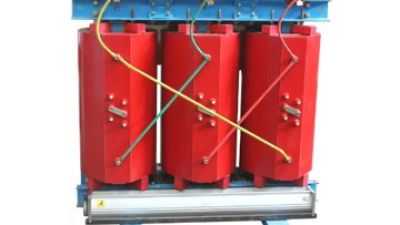
Three-phase dry-type transformers insulated with epoxy resin represent a significant advancement in electrical power distribution technology. Complying with international standards such as IEC60076 and GB6450, these transformers are engineered to deliver numerous advantages that enhance their operational efficiency and safety. One of the key benefits is their ability to minimize energy losses, which is essential in high-demand power transmission systems. The compact and lightweight design also allows for easier installation and maintenance, making these transformers suitable for both industrial and commercial applications.
In addition to their energy efficiency, epoxy resin insulated transformers stand out due to their excellent moisture resistance and reduced noise emissions. This makes them particularly advantageous in urban environments or places where noise pollution must be kept to a minimum. Their robust mechanical durability and fire-retardant properties further ensure reliability and safety in critical power applications, reinforcing their suitability in settings with stringent fire safety requirements. Furthermore, with enhanced overload capacity and low partial discharge characteristics, these transformers can operate optimally under varying load conditions, making them a preferred choice for modern power distribution networks.
FAQS
: GIS is a compact electrical system that uses gas-insulated switchgear technology to significantly reduce space requirements.
GIS can be 30% smaller than conventional substations, making them ideal for urban areas with limited land.
GIS installations have a 15% lower rate of operational failures and reduce the risk of arcing and outages.
Yes, GIS can have higher initial costs. Comprehensive financial analysis is necessary to evaluate long-term benefits.
GIS can reduce land usage by up to 90%, which is beneficial in cities where land is scarce and expensive.
High installation costs and the need for specialized technical expertise can complicate GIS integration into existing systems.
While efficient, the use of SF6 gas raises environmental concerns that the industry must address thoughtfully.
Evaluate site specifications, expected load capacity, and tailor projects to specific demands for effective implementation.
Its modular design allows for seamless integration of energy infrastructure without significantly expanding land use.
Finding a balance between energy needs and sustainable land use is crucial as urban areas continue to grow.
Conclusion
Gas Insulated Substations (GIS) offer numerous benefits for buyers, making them an attractive choice for modern power distribution. One of the primary advantages is their space efficiency, allowing for installation in urban areas where land use is a critical concern. Additionally, GIS have reduced maintenance requirements and costs compared to traditional substations, leading to lower long-term operational expenses. Their design enhances environmental performance and safety, minimizing exposure to harmful materials and reducing the overall footprint.
Furthermore, Gas Insulated Substations provide improved reliability and an operational lifespan, thanks to their robust construction and advanced technology. They are ideal for challenging environments, adapting well to various conditions. This adaptability, combined with economic advantages, underscores why GIS are increasingly favored over conventional substation designs, making them a pivotal component in the evolution of energy infrastructure.